
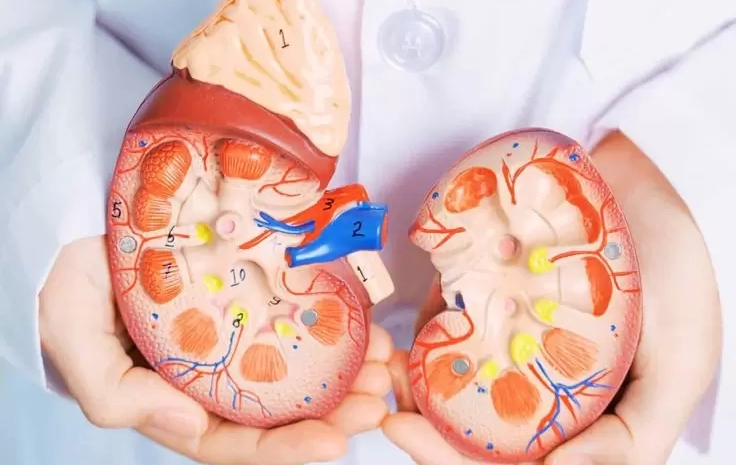
Two bean-shaped organs silently keeping your body running at its finest are your kidneys. Hidden slightly below your ribcage, these essential organs balance fluids, filter pollutants, control blood pressure, and assist in red blood cell production. Though important, kidney health is sometimes disregarded until symptoms show up; by then, damage may have progressed.
A developing worldwide health issue is chronic kidney disease (CKD). Millions of people suffer from it; many of them are unaware they have it until they get to a pivotal point. The fact that CKD can be silent in early phases makes it especially dangerous. The good news is, though, that kidney disease is mainly avoidable. The tiniest adjustments to your everyday routines might significantly affect the current and future kidney functioning of you.
The Value of Consistency Against Dramatic Change
When we discuss lifestyle changes, we usually picture significant changes—cutting out whole food groups, working out aggressively, or overhauling your schedule over night. Regarding kidney health, nevertheless, stability counts more than bold action. Often the strongest long-lasting effects are obtained from simple, sustainable improvements carried out over time.
Hydration: Your First Step toward Kidney Health
One of the easiest adjustments you can make to help kidney function is increasing your hydration. Water keeps kidney stones from forming and helps your kidneys effectively eliminate toxins from your blood. You simply need to sip water regularly across the day; you do not need gallons. You want to maintain body hydration without taxing your kidneys. Many people are chronically dehydrated and unaware of it; they either ignore to drink due of a hectic schedule or confuse hunger with thirst. Having a water bottle with you and choosing water as your regular beverage will help your kidneys be much less taxed.
Cut Salt to Get Blood Pressure Right
Another powerful change is cutting back on your salt intake. Nearly all processed and packaged goods include sodium. Excessive consumption of it could cause high blood pressure, which affects the fragile blood vessels in your kidneys. Reducing processed snacks, freezer meals, and restaurant cuisine gradually will help you greatly cut back on sodium. Cooking more at home lets you control the salt in your food and play around with herbs and spices that add taste without aggravating your kidneys.
Control Blood Sugar to Guard Kidney Function
Long-term kidney health depends also on your blood sugar management. Globally, diabetes is the main cause of kidney failure; high blood sugar levels destroy the tiny blood arteries filtering waste from your kidneys. Pay attention to how your body reacts to sugar even if you’re not diabetic. Changing white flour and refined sugars for healthy grains, veggies high in fiber, and lean proteins will help your blood glucose stay steady. Regular, well balanced meals help to avoid surges and crashes that tax your kidneys and other organs.
Underline Your Blood Pressure Control
Your kidneys also respond sensitively to changes in blood pressure. High blood pressure, or hypertension, drives your kidneys to work extra, causing slow damage. Many persons with kidney illness are unaware that controlling blood pressure could be the secret to preserving their renal function. Even from home, regular blood pressure monitoring will enable you to identify early warning indicators of trouble. Including modest physical exercise—such as yoga, walking, or stretching—into your daily schedule helps control blood pressure and blood sugar levels, thereby lessening strain on your kidneys.
The Part Diet Plays in Maintaining Kidney Function
Kidney care is always changing and nutrition is always important. Although no one “kidney diet” exists, some foods are recognized to support renal function. A kidney-friendly diet is built on fresh vegetables, particularly low in potassium fruits like berries, whole grains, good fats like olive oil, and seafood like salmon. Conversely, routinely eating processed meats, too much dairy, salty snacks, and high-sugar drinks might hasten renal wear and tear.
Exercise Need Not Be Extreme to Be Beneficial
Exercise doesn’t have to be intense to change things. Regular activity helps control weight, boosts insulin sensitivity—all of which are protective against renal disease—as well as cardiovascular health. If done regularly, even a 20-minute stroll around your neighborhood or a mild stretching session at home will help. It’s more about including activity into your daily schedule than about rigorous gym attendance.
Review Daily Medications and Dietary Supplements
With over-the-counter drugs and supplements, caution is equally vital. Common medicines like NSAIDs, or ibuprofen, can damage kidney function when taken too frequently or in high dosages. Likewise, some herbal supplements have concentrated substances that could interact in odd ways with kidney performance. Before beginning any new drugs or supplements, especially if you already have kidney problems or another chronic illness, always see a healthcare provider.
Say goodbye to smoking and its unseen damage.
Another element subtly compromising kidney function is smoking. Tobacco use narrows blood arteries, lowers kidney blood flow, raises blood pressure, and causes inflammation—all of which compromise your kidneys. While quitting smoking has many advantages, its effect on kidney function is especially noteworthy. Within just one year of quitting, those who give up smoking significantly lower their risk of renal disease development according to research. Stopping is never too late; help is available via mobile health applications, counseling, and nicotine replacement medication.
Good Sleep Assures Your Kidneys of Recovery
Though it’s sometimes disregarded in discussions on kidney health, sleep is actually rather important. Both of which are detrimental to your kidneys, inadequate or poor-quality sleep can cause higher blood pressure and raised stress hormones. Establishing a good sleep schedule—that is, going to bed and waking up at the same time every day—limiting screen time before bed, and designing a relaxing evening ritual—can help to improve sleep quality and, hence, kidney function.
Reducing stress enhances kidney resilience.
Furthermore affecting your kidneys long-term is chronic stress. Stress increases cortisol levels, which therefore raise blood pressure and aggravate blood sugar regulation. Learning good strategies for stress management will help you in all aspect of your health. Daily basic tools you can employ are mindfulness techniques including meditation, deep breathing, and gratitude diary writing. Over time, even just five minutes a day spent in focused relaxation can make a noticeable difference.
How Frequent Screenings Might Save Your Kidneys
Early identification of kidney problems depends on regular tests. Early on in kidney illness, often there are no symptoms at all. Simple blood and urine tests can identify abnormalities in kidney function long before they become clearly problematic. Those with diabetes, high blood pressure, or a family history of renal disease should especially make sure their kidneys are functioning as they should. Early identification helps one to slow or even undo damage.
Assuming Ownership of Your Kidney Future
Your best approach is to start everyday action by arming oneself with knowledge. Choosing a banana instead of a bag of chips, going on a 15-minute walk, or learning to make kidney-friendly dinners at home all count. They create the basis of wellbeing that helps your whole body, not only your kidneys. Your decisions will define the quality of your life in ways you might not even be aware of now; lifestyle is medicine.
Conclusion
Your kidneys are silently champions of your health. Every day they put out great effort to maintain your blood clean, your body balanced, and your systems free from malfunction. Even if they might not call for your attention as other areas of your body do, they merit respect and care. The good news is that maintaining kidney health merely demands awareness, dedication, and regular little changes—not perfection. From being hydrated and eating clean to sleeping well and controlling stress, every action you do now protects your health for tomorrow. Recall that, in terms of kidney function, even little adjustments can have a significant effect.