
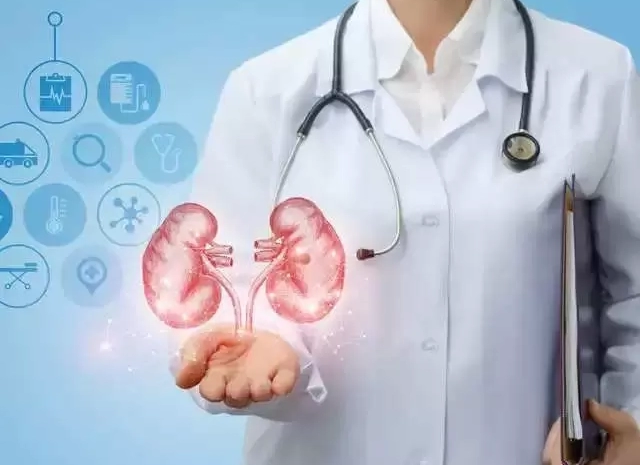
When we talk about important organs, we usually refer to our heart, brain, or lungs; we hardly give our kidneys the credit they deserve. Tucked quietly in your lower back, these bean-shaped organs are always working—filtering your blood, balancing fluids, eliminating waste, and controlling blood pressure. Though important, kidney health is sometimes disregarded until something goes wrong.
The following article will walk you through the underappreciated realm of your kidneys, the quiet laborers of your body. We will go over everything from their functioning to indicators of problems and actions you may take to preserve them. This guide is for you whether your search is for daily kidney care advice, strategies to stop kidney deterioration, or simply a knowledge of their relevance.
Knowing the Function of Your Kidneys
Although each of your kidneys weighs just a few ounces and is roughly the size of a fist, taken together they filter almost 50 gallons of blood every day. They balance your body’s fluid levels, eliminate waste products such urea and creatinine, aid to preserve appropriate electrolyte concentrations, and generate urine. More than that, they generate crucial hormones that control red blood cell synthesis (erythropoietin), lower blood pressure (renin), and boost Vitamin D for strong bones.
Another adaptable organ are kidneys. Should one fail or be removed—as in the case of a donation—the other usually makes up for it. That does not imply, however, you can afford to ignore them.
Why You Should Not Denish Your Kidneys
Because signs of kidney disease hardly show until the condition is severe, it is sometimes known as a “silent disease”. Kidney disorders are especially serious because of this delayed start in symptoms. Most people are unaware they have renal disease until they have lost seventy to eighty percent of their kidney capacity. Early diagnosis and preventative treatment are thus absolutely vital.
Ignoring your kidney health can cause kidney failure, chronic kidney disease (CKD), or require dialysis or a kidney transplant. Early on detection and lifestyle modifications can make all the difference.
Early Indices Your Kidneys Could Be Under Stress
Although early on kidney disease is silent, there are certain minor symptoms that could point to a problem. If you find yourself often weary, for example, see swelling in your ankles or face, or have frothy or bloody urine, your kidneys may be stressed. Additional indications include:
- Hard to control high blood pressure
- trouble focusing or brain fog
- Either dry skin or ongoing itching
- Variations in urinating frequency, particularly at night
Should you exhibit any of these symptoms, you should have your kidney function evaluated. A basic urine test for protein and a creatinine and eGFR blood test will tell you a lot about the state of your kidneys.
How to Naturally Keep Your Kidneys Healthy
Maintaining kidney function calls for neither fancy supplements nor drastic actions. Kidney function can be much improved with few adjustments in lifestyle. One places a good beginning in hydration. Drinking lots of water facilitates effective toxin clearance by your kidneys. Although your body type, level of activity, and environment will all affect the overall guideline of 8 to 10 glasses a day.
A balanced diet high in whole grains, vegetables, fruits (low in potassium if needed), lean protein, and good fats supports general health—including your kidneys. Ste clear of processed foods heavy in sugar and sodium. Too much salt will elevate blood pressure, taxing your kidneys. Reduce red meat and full-fat dairy as both can tax the kidneys.
Frequent exercise helps control your blood pressure and preserve a normal weight. Five times a week, even thirty minutes of vigorous walking greatly reduces your risk of renal disease. Both smoking and too much alcohol are known renal stresses; so, one should avoid both.
Controlling Blood Pressure and Sugar
Diabetes and hypertension are two of the main causes of kidney injury. Controlling your blood pressure and blood sugar is therefore perhaps the most crucial thing you can do for your kidneys. While high blood pressure can wear down kidney filtering ability, excessive glucose levels in the blood can harm the blood vessels of the kidneys.
Regular monitoring is essential whether your blood pressure or diabetes calls for it. Keep a regular schedule of exercise and sleep; adopt a kidney-friendly diet and take your medications as directed.
Use supplements and medications carefully.
Many people unwittingly harm their kidneys by overusing over-the-counter medicines including naproxen and ibuprofen. Although these drugs are safe when taken occasionally, regular or excessive use can over time lower kidney function. Likewise, certain herbal supplements could have substances harmful to the kidneys.
Always read labels; if you take supplements, see your doctor—particularly if your kidney function has already decreased.
Foods Designed to Support Kidney Function
Among your best friends in preserving your kidneys is food. Among the better diets for renal support are:
- Low in potassium but rich in antioxidants are red bell peppers.
- Garlic: strongly flavored natural anti-inflammatory agent
- Rich in Vitamins K, C, and B6, cabbage
- Apples: loaded with antioxidants and fiber
- Blueberries abound in Vitamin C and antioxidants.
- Low in potassium yet a good source of fiber is cauliflower.
- Salmon and other fatty fishes have omega-3s that help to lower inflammation.
A customized renal diet emphasizing on low potassium, phosphorous, and salt intake may be required for those already diagnosed with kidney problems. A renal dietician can assist to customize the plan to your requirements.
Understanding CKD, or chronic kidney disease
About one in seven persons globally suffer with kidney disease. Based on how well the kidneys are filtering blood—measured by eGFR—it develops slowly over time and is categorized in five phases. Early stages can show no symptoms, hence those who are at risk must routinely visit their doctors.
Both stage 1 and 2 are modest and might be controlled with lifestyle and food. Stage 3 signifies moderate damage; problems including anemia and bone disease may start here. While Stage 5, sometimes known as end-stage renal disease (ESRD), calls for dialysis or a kidney transplant, Stage 4 is severe and usually causes symptoms.
Starting Early Prevention of Kidney Disease
Whether or not you have a family history, your overall health plan should include actions to prevent kidney disease. Early indicators of kidney disease, such protein in the urine or lowered eGFR, can be found by routine urine and blood tests taken during annual visits.
Limit high-protein meals unless medically prescribed; extra protein might tax the kidneys. Keep moving, keep drinking, and steer clear of needless drugs. If you have high blood pressure or diabetes, closely follow your treatment plan.
Living with One Kidney: Essential Information
Many people with just one kidney lead a normal, healthy life. Some have one kidney from birth; others give one to save the life of another. Generally speaking, the surviving kidney adjusts and assumes complete control. Still, more care is required to preserve that one kidney—that means avoiding contact sports, staying hydrated, and planning frequent visits.
Usually undergoing a complete health assessment, kidney donors can lead long lives free from any appreciable increase in kidney disease risk, particularly if they lead a kidney-friendly lifestyle.
When would one see a kidney specialist?
See a nephrologist—a kidney specialist—if you have symptoms of renal problems, a history of kidney stones, diabetes, high blood pressure, or if your regular doctor finds anomalies in your urine or blood test. They can design a treatment plan, evaluate your risk, and execute sophisticated testing.
Early therapy can stop or slow down the course of chronic renal disease. Your kidneys demand aggressive treatment; wait for symptoms to get serious.
Mental Health and kidney disease
Having renal disease—or perhaps being at risk—can have negative effects on your mental health. Anxiety about lab results, dietary restrictions, and life changes like dialysis can wear one out. It’s appropriate to ask for help if you feel overburdened. Support groups, therapy, or mindfulness techniques help you to manage stress, so enhancing your general well-being and indirectly supporting your kidney condition too.
Conclusion
Though they are not as newsworthy as your heart or lungs, your kidneys are very vital for daily health and survival. Every every minute they diligently filter, balance, detoxify your system, and work quietly. Until anything goes wrong, though, they seldom receive the care they are due.
Understanding how your kidneys work, spotting early warning signs of disease, and making little but significant lifestyle adjustments will help you to safeguard these quiet workers for many years to come. Don’t hold off until symptoms start. Show your kidneys the gratitude they so merit right now.