
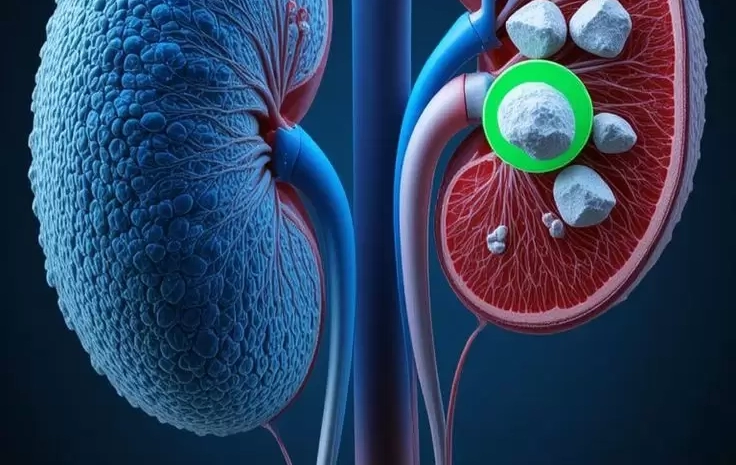
“Hey, how’s your kidney health doing?,” someone asked you recently. Never, exactly? We fix on calories, steps taken, skin radiance, and digestive tract health. But our kidneys? Total consideration. Actually, these two low-key heroes of your body—bean-shaped organs—quietly filter your blood, balance fluids, control blood pressure, and maintain strong bones.
The spooky aspect is You might not even know you are decreasing kidney function. Many times, kidney issues start with no clear warning signals until things are heading rapidly downhill. That’s precisely why kidney health should take front stage on your wellness list, right next to your heart, brain, and mental state.
Actually, what your kidneys do—and why is it rather mind-blowing?
Let us attribute credit where it is due. Every single day your kidneys filter almost fifty liters of blood. They send poisons, extra fluid, and trash packing under urine. But hold on; there is more. They control your electrolytes—such as salt and potassium—keep your blood pressure under control, assist in red blood cell production, and activate vitamin D so that your bones do not become brittle twigs.
Kidneys are essentially multi-tasking machines running behind the scenes around-the-clock. And the impacts spread across your whole body if they slow down or quit working. You name it, fatigue, high blood pressure, weak bones, anemia—all connected.
Kidney Disease: The Plot Twist Silent One Ignites
The worst is that most early-stage renal disease sufferers feel quite healthy. Not pain, not fever, not red signals. That’s the lure. Kidney function may already be down by 70% by the time symptoms such edema, tiredness, or foaming urine surface. Not to mention—once kidneys are compromised, they never ever recover. There is no quick repair unlike your skin or your energy level.
Among the top 10 causes of death worldwide are kidney diseases currently. That is very large. Undiagnosed chronic kidney disease (CKD) is present in millions of people who are roaming around without knowing. Two of the main offenders include diabetes and hypertension. Stress, processed food, and lazy lives are driving both astronomical increases. Not new; sounds familiar.
Why Nobody Cares Until It’s Too Late
Around kidney health, there is an unusual quiet. Perhaps this is due to their non-sexy organ status—that of the heart or brain. Alternatively it could be because the harm accumulates silently without any apparent warning signals. Your kidneys failing is not anything you “feel.” The scale or the mirror do not show it.
It doesn’t really hit you until you’re seated in a clinic hearing terms like “dialysis” or “transplant.” By then, it will be a long path ahead—and a painful, costly one as well. The worst thing about it is One may have avoided it by doing this. At least slowed down as well.
Your whole body is on the payroll for the kidney.
Allow us to make the connections. Everything else falls apart as well if your kidneys slip. Bad kidney function can mess with your red blood cell count, raise your blood pressure, weaken your bones, and damage your heart. You can be always weary, bloated, foggy-headed—and never know your kidneys are the underlying cause.
And let me guess what. That is also true in reverse. Your kidneys can be destroyed by a failing heart. Bad liver health can tax them. Your kidneys are storing many of the most delicate strands; everything in your body is part of the same web.
Consider them as the quiet coworker who never takes credit and performs behind-the-scenes job for everyone. They burn out one day, and the squad falls apart completely.
What then is injuring our kidneys?
It goes beyond only unusual diseases or genetic flaws. The majority of the harm we are causing to our kidneys results from daily events. Foods heavy in red meat, sugar, and salt. eating prepared snacks. Ignoring water and sloshingly drinking Coke. Ignoring physical activity. Having unbridled tension. Like candy, popping pills causes agony. All of it gradually but certainly reduces renal function.
Add undetected type 2 diabetes or high blood pressure, and your kidneys are under continual assault. Your body finds it more difficult to eliminate toxins and regulate itself the more they battle. Though initially you might not feel it—the damage mounts.
Why Should Kidney Tests Match Blood Pressure Checks as Standard Practice?
Most people would not dream of missing a blood pressure check or cholesterol test. But unless their doctor orders it, virtually people ever considers having their kidneys tested.
Monitoring kidney performance is quite easy. Your glomerular filtration rate (GFR) and a urine test for protein might tell a lot quickly. Early-stage CKD could literally spare your kidneys from long-term harm. And unlike many diseases, early-stage renal problems may usually be reversed—or at least greatly slowed down—with lifestyle changes.
Why then are we not doing this? Since we feel we are good. unless we’re not.
The Risk of Acting Pharmacist Without a License
Though this may surprise you, your own medication cupboard is one of the main hidden dangers to your kidneys. In excessive doses or over extended periods, over-the-counter painkillers such naproxen and ibuprofen can be hazardous. If you have another underlying medical condition or are dehydrated, they are very dangerous.
Following that are supplements. Natural does not always equate with safety. Many herbal supplements have little control and can cause mineral or toxic overload of your kidneys. Ask your doctor, before starting any medication: “Is this safe for my kidneys?”
Hydrate, but keep from overdoing it.
Let’s start with water. Your kidneys depend on you being hydrated; they use fluid to eliminate toxins. One does, however, have too much of a good thing. Particularly if your kidneys are already failing, overhydrating can dilute vital electrolytes and possibly damage them.
The sweet point is _ _ Pay attention to your thirst; aim for light yellow pee; avoid pushing lots of fluids unless a doctor orders otherwise. It is about balance, not about volume.
Your diet either works for you like friend or foe.
Your plate speaks much about the condition of your kidneys. Diets heavy in salt cause your kidneys to work extra-hard in attempts to regulate sodium. More waste products are produced by too much animal protein. Sugar. It aggravates kidneys and fuels diabetes. Packaged food and soda? Packed with compounds your kidneys detest as well as phosphate.
Conversely, a kidney-friendly diet is really about color, fiber, and moderation. Think fresh vegetables, fruits (check your potassium if advised), whole grains, olive oil, and plant-based proteins. Basically, not only your taste sensations but also your whole body depends on the type of food you eat.
Exercise: Not for Endorphins or Abs only
Regular movement of your body serves purposes beyond only calorie burning. All of which lower kidney stress is it increases circulation, lowers blood pressure, improves insulin sensitivity, and helps you keep a good weight.
You have no need for marathons. Five days a week, even thirty minutes of vigorous walking, dancing, or cycling will help. You will be thanked by your kidneys. Your heart, lungs, and mood will then reflect this.
Stress Is Sneaky—and Not Kidney- Friendly
Stress throws your hormones out of balance and does not only interfere with your head. Two of the main enemies of kidney function, cortisol and adrenaline raised by chronic stress can over time increase your blood pressure and blood sugar.
Not only is learning to breathe, meditate, journal, laugh, and sleep better good for mental health; it also helps your kidneys. Though your tension won’t go gone over night, your handling of it will change everything.
Suppose it is already too late?
Assume for the moment that you already have a decreased kidney function diagnosis. It does not mark the end. Still, the moment calls for quick response. Under appropriate direction—medical treatment, dietary changes, and lifestyle modifications—you might slow down progression and perhaps postpone dialysis for years, maybe even permanently.
You have better chances the earlier you act. Ignoring it or following the “Google doctor” path, though? That represents a high stakes gamble. And your kidneys are not gammon players.
Establish Kidney Health as a Habit.
Imagine running your daily business knowing your kidneys are robust, waste is effectively filtered, your blood pressure is regular, and your bones and heart are in harmony. Such kind of peace of mind is very valuable and fully realistic.
First it begins with awareness. Then activity. Then follow normal procedure. Eat intelligently. Act more. Maintain hydration. Reduce the garbage. Get frequent examinations. Try to pay attention to your body. And don’t discount the signals simply because they seem little.
Although your kidneys may be quiet, your wellness path is not required of any silence.
Let’s break the silence with final thoughts.
Kidney health is not a dull topic. There is no discretionary aspect about it. And it’s not something to deal with solely should things go wrong. The backstage team that maintains the seamless functioning of your entire life performance is your kidneys. Our minimum contribution is to periodically check in with them.
Therefore, consider wellbeing the next time you think about it not limited to skin, weight, or energy. List renal health among your priorities. I promise you—your future self will appreciate you did.