
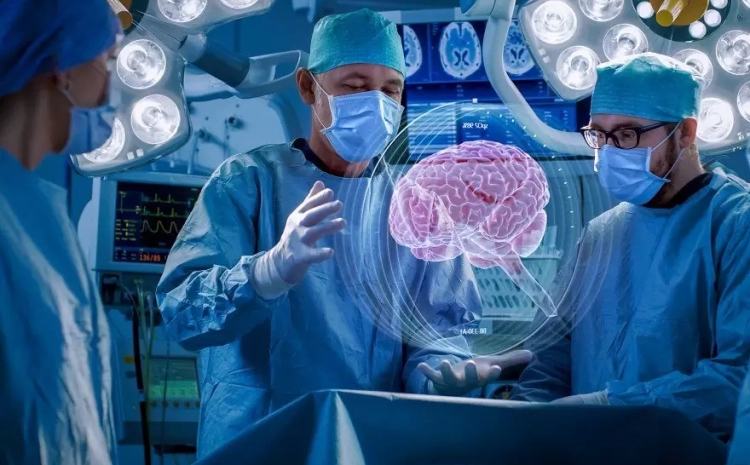
Understanding Brain Surgery Fear
Most people find brain surgery scary. An operation on the brain—which regulates ideas, movement, and emotions—can cause worry and panic. These fears have led to some misconceptions that persist today despite modern medical science. Many still equate brain surgery with danger, memory loss, or irreversible harm. Safer procedures, improved imaging, and faster recovery rates have transformed neurosurgery. Patients can make better judgments and lessen fear by knowing the truth.
First myth: Brain surgery always causes memory loss or personality changes
Brain surgery patients often worry that it will change them. Exaggerated claims that brain surgery causes memory loss or personality abnormalities. The surgery is planned by neurosurgeons utilizing precise imaging and navigation technology to target the afflicted area and avoid healthy tissue. Treating tumors, aneurysms, and bleeding without impairing brain function is the goal. Few patients experience momentary confusion or memory loss, but most recover with time. Surgery is more precise with modern technologies, minimizing the danger of long-term personality or cognitive abnormalities.
Myth 2: Brain Surgery Is Always Open-Head
Brain surgery is still viewed as a major, intrusive treatment that removes a considerable section of the skull. Some sophisticated brain surgeries require open surgery, but many are minimally invasive. Surgeons utilize small incisions and advanced devices like endoscopes and microscopes to access the problem area. Less discomfort, faster recovery, and smaller scars occur from these treatments. For instance, endoscopic brain surgery and stereotactic radiosurgery can treat tumors and vascular problems without huge holes. Patients who undergo minimally invasive procedures can return home within days and resume routine activities.
Myth 3: Brain Surgery Ends Normal Life.
Another myth is that brain surgery patients can never return to normal. Patients often avoid treatment due to this misperception. The type of operation and underlying disease determine recovery results. Brain surgery patients often work, drive, exercise, and live fulfilling lives. Recovery requires rehabilitation, physiotherapy, and follow-up. Neurologists and neurosurgeons collaborate on personalized rehabilitation plans to restore strength, coordination, and confidence. Most patients can resume their normal activities with support.
Myth 4: Brain Surgery Is Always Dangerous
Every operation has risks, but brain surgery is no longer particularly risky. Better imaging, anesthetic, and surgical instruments have made these procedures safer. Modern neurosurgery uses real-time brain activity monitoring to ensure precision and protect essential processes. Computer-assisted navigation and 3D imaging let clinicians see brain structure at the tiniest scale. Complications have decreased considerably. While risk is always present, most brain procedures performed by qualified neurosurgeons are now successful.
Myth 5: Brain surgery always leaves large scars and disfigurement
Advanced surgical instruments and techniques have eliminated big scars from brain surgery. Procedures used to require large incisions and skull removal, leaving scars. Surgeons today make small, precise incisions that heal rapidly and scar minimally. Endoscopic and minimally invasive procedures also make head and scalp modifications barely evident after healing. This alteration enhances physical healing and emotional well-being, making patients more confident after surgery.
Myth 6: Brain surgery is awake and painful.
Patients may worry about being awake or in discomfort during the treatment. Some surgeries, including “awake brain surgery,” need cognizant patients but are done with complete anesthetic and pain management. While not in pain, the patient is awake simply to follow the surgeon’s instructions, protecting crucial brain areas. Patients under general anesthesia are sleepy and painless for most procedures. Advanced pain treatment and care ensure comfort and safety throughout recovery after surgery.
Myth 7: Brain Surgery: Last Resort When All Else Fails
Many feel brain surgery is only done after all other treatments fail. Surgery is not the first line of treatment for every neurological illness, although it can be the most effective and timely. Early surgery for brain tumors, aneurysms, or severe trauma can save lives and prevent long-term problems. Neurosurgeons assess each patient utilizing imaging, symptoms, and health to decide if surgery is needed. Treatment at the correct moment improves outcomes, not delaying.
Myth 8: Brain Surgery Guarantees Permanent Disability:
This misunderstanding causes undue dread in patients who could benefit from timely surgery, which is harmful. There is little evidence that brain surgery causes lifelong damage. Most current surgeries aim to restore function, not reduce it. Many individuals improve after epilepsy, movement disorder, or brain injury operations. Rehabilitative therapies improve speech, mobility, and coordination. Better equipment and medical research enhance the success rate of most neurosurgical surgeries each year, however every case is different.
Why Education and Awareness Matter
Brain surgery misconceptions exist due to obsolete facts and dramatic media portrayals. Movies and TV portray brain surgery as risky and life-changing, fostering fear and confusion. The best approach to conquer this phobia is education. When taught about new treatments, safety measures, and recovery processes, patients feel more confidence discussing treatment options with doctors. Open communication between patient and neurosurgeon helps clarify doubts and personalize care.
Reality of Modern Neurosurgery
Modern neurosurgery combines science, precision, and technology. The field has grown greatly, from 3D brain mapping neuronavigation devices to robotic-assisted surgical equipment. Surgeons can safely and precisely treat tumors, aneurysms, and spinal problems. The focus has changed from life-saving operations to patient quality of life. Well-planned neurosurgical care now reduces hospital stays, recovery time, and postoperative pain.
Conclusion: Understanding Replaces Fear
Brain surgery no longer causes worry. Its misconceptions are from an earlier medical era. Patients have a better chance of recovery with modern imaging, surgery, and therapy. Understanding brain surgery facts encourages patients to seek care without concern and trust the science that protects and heals one of the body’s most critical organs. Knowledge gives patients confidence and hope for treatment.