
Pediatric Neurosurgery: How Specialists Treat Brain & Spine Issues in Children
One of the most delicate and specialized specialties of medicine, pediatric neurosurgery diagnoses, treats, and manages brain, spine, and nervous system problems in newborns, children, and adolescents. Children’s brains can adapt and heal, making treatment more complicated yet hopeful because their neural systems are still developing. Pediatric neurosurgeons combine medical knowledge with a profound understanding of how young bodies recover and grow to tackle these problems with precision, compassion, and care.
Reasons Children Need Neurosurgical Specialization
Children’s brains and spinal cords differ in structure, function, and resiliency. Pediatric neurosurgery demands a special approach. Congenital abnormalities, developmental problems, and injuries affect children differently than adults. Pediatric neurosurgeons must grasp these disparities and collaborate with pediatricians, neurologists, and rehabilitation specialists to provide holistic care. The goal is to protect the child’s cognitive and physical development while maximizing long-term consequences.
Pediatric Neurosurgeons Treat Common Conditions
Pediatric neurosurgeons treat several brain, spine, and nerve problems. Congenital diseases include hydrocephalus, spina bifida, craniosynostosis, and Chiari malformations, brain tumors, epilepsy, and TBI are examples. One of the most prevalent juvenile brain diseases, hydrocephalus, causes brain fluid buildup and skull pressure. When the spinal column doesn’t close properly during fetal development, spina bifida can cause paralysis or neurological issues. Brain cysts and vascular abnormalities may require sensitive surgery to avert long-term problems.
Pediatric neurosurgeons diagnose neurological issues
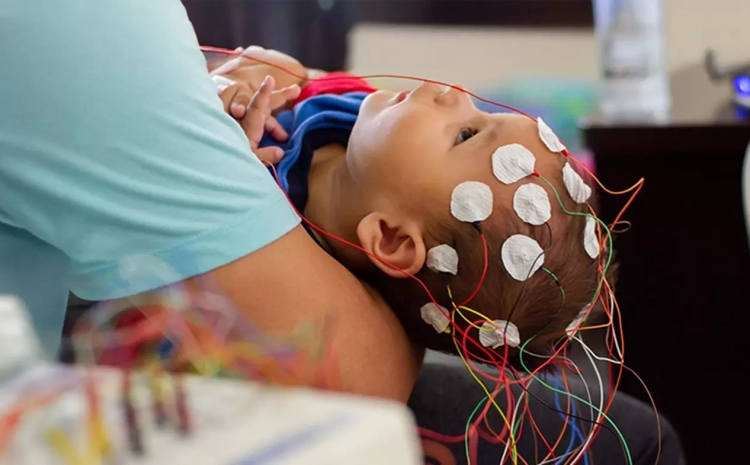
Neurological diseases in children are difficult to diagnose due to their variable symptoms. For instance, babies cannot articulate headaches or dizziness. Pediatric neurosurgeons diagnose brain and spine structural issues using MRI, CT, and ultrasound. They also use neurological tests, developmental milestones, and family observations to diagnose. Early detection improves recovery and quality of life.
Pediatric neurosurgery techniques
Advanced technologies and minimally invasive methods have transformed pediatric neurosurgery. Microscopes, endoscopes, and computer-guided navigation devices allow surgeons to precisely access affected areas for delicate procedures. Hydrocephalus can be treated without a shunt via endoscopic third ventriculostomy (ETV). In epilepsy, neurosurgeons can accurately find and remove the seizure-causing brain region, improving neurological function. These advances lessen discomfort, recuperation time, and complications, allowing children to resume routine activities sooner.
How Technology Improves Safety
Pediatric neurosurgery is safer and more precise thanks to technology. Intraoperative MRI and neuronavigation technologies show surgeons real-time brain scans, ensuring they operate on the right locations. Robotic-assisted spine surgery is highly accurate. This has greatly improved surgery outcomes, helping children recover faster while preserving brain and nerve functions. Technology and expertise customize every surgery to the child’s anatomy and condition.
Rehabilitation after surgery
Post-op recovery for pediatric neurosurgery continues. Post-op care is as crucial as surgery. Depending on the surgery and brain or spine location, children may need physical, occupational, or speech therapy. A team of neurosurgeons, physiotherapists, and psychologists helps the child and family heal. Surgery can be distressing for young patients and their parents, so emotional support is crucial. Continuous follow-up treatment monitors neurological progress and detects problems early.
Children's Neurological Disorders: Treatment Challenges
Children’s brain and spine diseases are difficult to treat. Children are still growing, and the brain and spine can shift, making it challenging. As the child grows, several surgical treatments must be altered. Young children have trouble expressing their symptoms, making diagnosis harder. To make accurate decisions, pediatric neurosurgeons use observation, expertise, and diagnostic imaging. Due to research and surgical advances, outcomes have improved greatly despite these limitations.
Emotions in Pediatric Neurosurgery
Hearing a child needs brain or spine surgery can be overwhelming for families. Fear, insecurity, and worry are normal. Pediatric neurosurgeons realize this emotional burden and make extra efforts to educate and reassure parents. Families feel more confident and supported when they are informed about the procedure, outcomes, and rehabilitation. Pediatric neurosurgery hospitals generally develop child-friendly surroundings to lessen anxiety and intimidation.
The Value of Early Intervention
Early intervention can improve neurological abnormalities in youngsters. Neuroplasticity makes the growing brain adaptive. With the correct therapy and support, other brain regions can take over if one is damaged or destroyed. Hydrocephalus, spinal abnormalities, and brain tumors can be treated surgically to minimize problems and help children reach developmental milestones. Regular checkups, developmental screenings, and early warning signals can improve diagnosis and results.
Child Brain and Spine Injury Prevention
Proper safety precautions can prevent many brain and spine injuries, but not all neurological problems. Children can avoid traumatic brain injuries by wearing helmets when cycling, utilizing car seats, and minimizing falls at home. Promoting safe play, avoiding rough play, and teaching kids sports safety are equally crucial. Preventing congenital neurological problems in newborns requires good prenatal care and maternal health.
Pediatric Neurosurgery Research and Future
Pediatric neurosurgery advances with groundbreaking research. Regenerative medicines, stem cell research, and genetic studies are being studied to treat childhood neurological diseases. Imaging advances allow surgeons to trace brain activity in detail, making procedures more targeted and effective. Less intrusive, more efficient treatments that speed recovery and improve long-term results are possible. As technology and medicine mix, brain and spine problem children’s outlook improves.
Life After Pediatric Neurosurgery
Most children recover from surgery and enjoy busy, meaningful lives. Brain or spinal development may require ongoing monitoring, depending on the issue. Children need family, school, and healthcare support to adjust and thrive. Neurosurgery treating epilepsy, tumors, and congenital disorders improves the quality of life for many young patients. Children often regain strength, confidence, and independence after physical therapy, educational support, and lifestyle changes.
Conclusion: Hopeful, skilled healing
Advanced science and compassionate care are delicately balanced in pediatric neurosurgery. A pediatric neurosurgeon’s mission is to treat disease and preserve the child’s health and happiness during every surgery. These doctors provide families with difficult medical problems hope through precision, patience, and ingenuity. Technology, multidisciplinary care, and early intervention provide children a better chance of recovery and normal growth than ever before. Pediatric neurosurgery shows that medicine can heal, protect, and nourish the future even at the most fragile moments.