
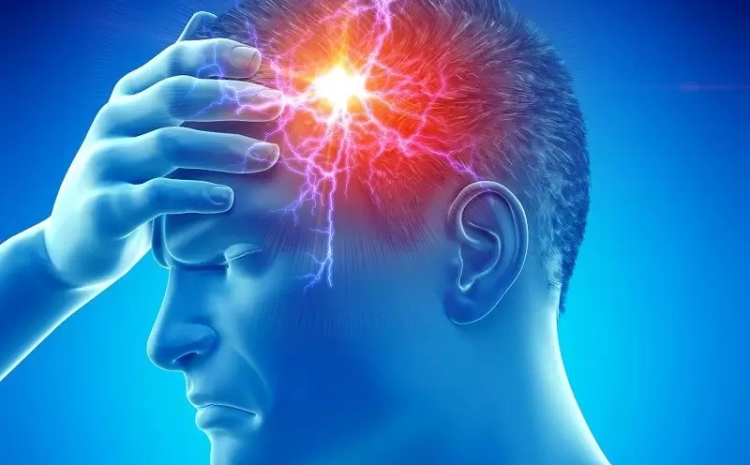
Head injuries are one of the most dangerous medical emergencies that can afflict anyone, regardless of age or lifestyle. Falls, sports accidents, car crashes, and even minor bumps can cause it. Despite skull protection, the brain is sensitive. Any rapid hit or jolt might cause confusion, loss of consciousness, or long-term neurological issues. Understanding how these injuries affect the brain and what to do immediately can save lives.
Brain Damage from Head Injury
Cerebrospinal fluid cushions the brain inside the skull. The brain can hit the skull walls when the head is hit or shook severely. This abrupt movement might bruise, bleed, or rupture brain and blood vessel tissues. Mild disorders like concussions or more catastrophic ones like hemorrhages or traumatic brain injuries can result. Internal brain injury is serious since it might go unnoticed for hours.
Different Head Injuries and Their Effects
Most head injuries are open or closed. Open injuries shatter or puncture the skull, exposing brain tissue to harm or infection. Though there is no apparent wound, closed head injuries cause internal brain trauma. Concussions are mild traumatic brain injuries that momentarily disrupt brain cells. Contusions, hematomas, and diffuse axonal injuries—nerve fibers ruptured by fast movement—are more severe. These disorders affect the brain differently—some disrupt brain cell communication, while others restrict blood flow or increase skull pressure.
Watch for Early Symptoms
Head injuries can cause immediate or delayed effects. Headache, dizziness, disorientation, nausea, and blurred vision are symptoms. More severe cases may cause loss of consciousness, vomiting, seizures, impaired speech, or balance issues. As the brain recovers, irritation, memory loss, and concentration problems may emerge. Because not all symptoms are obvious right away, the injured person must be monitored for 24 hours. Worsening symptoms necessitate immediate medical treatment.
Head injuries affect brain function
Our thoughts, memories, movements, and emotions are all controlled by the brain. Even minor head injuries can disturb this sensitive network. Different brain functions can be affected by damage location. Frontal lobe injury can affect personality, behavior, and decision-making. Memory and speech can be affected by temporal lobe damage. Injuries to the occipital lobe can cause impaired or double vision. The brainstem, which governs respiration and heart rhythm, can be damaged by severe trauma, deadly. Even minor injuries can induce brain malfunction, and recurrent damage can create chronic neurological issues.
Head Injury First Aid
Quick action is needed after a head injury. Safeguard the person and prevent future harm first. If the person is unconscious, do not move them unless essential to avoid spinal harm. Contact emergency medical services immediately. To stop bleeding, gently press with a clean cloth but avoid pressing on an open wound or skull fracture. Maintain a slight head elevation and avoid food, water, and medication until a doctor examines the patient. Avoid choking by gently rolling the wounded person onto their side if they are vomiting. Despite seeming aware, internal bleeding or swelling can progress quickly after a head injury.
Why Instant Medical Evaluation Matters
Even minor head injuries can be dangerous if untreated. Though not apparent, internal bleeding, swelling, or bruises can strain on the brain and cause more damage. A prompt medical evaluation guarantees that CT or MRI scans can detect underlying concerns. The doctor may recommend monitoring, medication to lessen swelling, or surgery to relieve skull pressure in extreme cases. Chronic headaches, convulsions, and cognitive issues can be avoided with early medical treatment.
Head injuries’ long-term brain effects
Mild brain injuries can heal completely, but severity and location might leave permanent effects. For weeks or months following a concussion, headaches, dizziness, and concentration problems might occur. Severe injuries might cause cognitive deterioration, mood issues, or lifelong disability. As the brain adapts to injured areas, individuals may have mobility or emotional issues. Physiotherapy, occupational therapy, and cognitive activities assist patients restore function and independence.
The Neurosurgeon’s Role in Head Injury Management
When there is bleeding, skull fracture, or elevated intracranial pressure, neurosurgeons treat severe head injuries. They remove blood clots, heal tissue, and release pressure to prevent brain damage. Modern minimally invasive and image-guided surgeries allow neurosurgeons to work precisely and reduce trauma. They collaborate with rehabilitation professionals to monitor long-term recovery and prevent complications after surgery.
Avoiding Head Injury
Some head injuries can be averted with simple precautions. Wearing helmets during sports, cycling, and motorbike rides is one of the best ways to protect the brain and skull. Good lighting, no slippery surfaces, and handrails can minimize falls at home, especially in older persons. Seat belts and airbags minimize the incidence of major head trauma in car accidents. Car seats and supervision during play can avoid numerous injuries in youngsters. Risk reduction requires awareness and vigilance.
The Value of Rest and Recovery
Head injury recovery takes time and patience. No matter how minor the injury, returning to intense activities or sports too soon might aggravate symptoms and postpone healing. Rest helps the brain heal and function normally. Depending on damage severity, doctors recommend a gradual return to physical and mental activities. Sleep, nutrition, and abstinence from alcohol and drugs are crucial to recovery. Emotional support from family and friends can also reduce brain injury stress and anxiety.
Get Emergency Help When
Knowing when to seek emergency medical assistance after a head injury is crucial. The wounded individual needs immediate attention if they lose consciousness, have unequal pupils, vomit, have seizures, or leak clear fluid from their nose or ears. Emergency treatment is needed for major brain injury or bleeding. It’s best to see a doctor even for minor symptoms. Rapid medical treatment can improve healing and save lives.
Finally, awareness saves lives.
Head injuries can transform lives in seconds, but early detection and treatment can avoid catastrophe. Being aware of how these injuries affect brain function helps us treat them seriously, regardless of size. Though tough, the brain needs time, protection, and treatment to repair. Early detection and medical treatment can speed recovery and prevent long-term consequences. Education, prevention, and responsible care are the best ways to protect the brain, which shapes our identity, thoughts, and lives.