
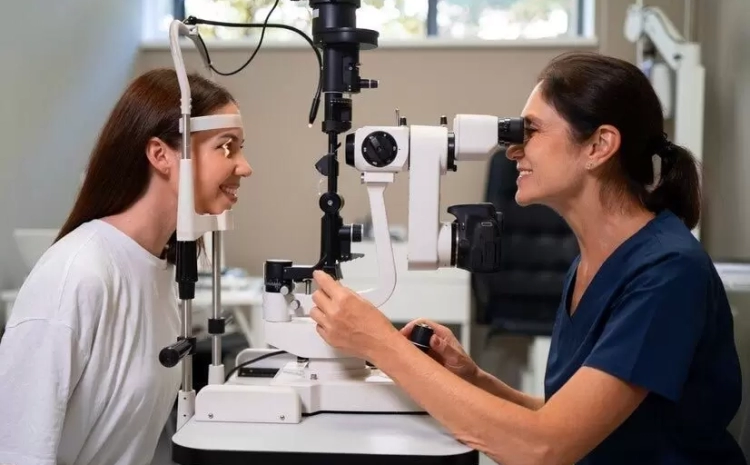
Millions suffer from chronic eye problems that gradually impair vision and quality of life. Chronic eye problems require ongoing management, monitoring, and customized treatment. Eye experts assist patients maintain vision, comfort, and independence despite chronic obstacles. Understanding how eye care professionals treat glaucoma, diabetic retinopathy, macular degeneration, and dry eye syndrome helps improve patient results.
Knowing Chronic Eye Diseases
Chronic eye diseases advance slowly and might cause permanent vision loss if untreated. Glaucoma, cataracts, AMD, diabetic retinopathy, and chronic dry eye require ongoing treatment. Eye professionals recommend early diagnosis because patients may not notice slight visual abnormalities. Specialists use retinal imaging, OCT, and visual field testing to discover vision issues before they worsen.
Chronic eye disorders involve persistent changes to ocular structures, unlike conjunctivitis or mild infections. Prevention of major problems and visual function require early management and regular monitoring.
Regular eye exams’ role
Eye professionals recommend routine eye exams, especially for those at risk of chronic eye diseases. Doctors can detect minor changes in vision, intraocular pressure, and retinal health with regular checkups. Patients with diabetes or hypertension should be monitored regularly since these systemic diseases might exacerbate eye deterioration.
Specialists examine the cornea, lens, retina, and optic nerve on both sides of the eye. Tear production, ocular surface health, and blood vessel integrity are evaluated. Eye specialists use patient history, lifestyle factors, and diagnostic testing to create tailored care programs that limit disease development and prevent vision loss.
Managing Glaucoma
One of the most common chronic eye diseases, glaucoma causes irreversible blindness. Usually, elevated intraocular pressure affects the optic nerve. Because vision loss is slow and undetectable, many patients are unaware of the disease until it is late.
Before treating glaucoma, eye doctors determine its kind and severity. Prescription eye drops, oral medicines, laser therapy, or surgery may be used to lower eye pressure. To determine therapy effectiveness, intraocular pressure and visual field testing must be monitored regularly. Specialists also stress the need of medication adherence for vision preservation.
Glaucoma management includes lifestyle changes. Specialists may advise eating well, exercising cautiously, and avoiding eye-pressure-raising activities. Patient education and medical treatment are key to long-term glaucoma control.
Treating Diabetic Retinopathy
Long-term diabetics develop diabetic retinopathy. High blood sugar damages retinal blood vessels, causing edema, hemorrhage, or aberrant vessel growth. It can cause blindness if neglected.
Comprehensive retinal exams and fluorescein angiography and OCT help eye experts discover diabetic retinopathy. Regular monitoring and blood sugar control can manage early-stage illness. For advanced cases, laser therapy to seal leaking vessels, intravitreal injections to minimize swelling, or surgery for vitreous hemorrhages are needed.
Specialists collaborate with primary care doctors and endocrinologists to manage systemic health. Controlling blood sugar, blood pressure, and cholesterol affects diabetic eye disease progression, thus collaboration is crucial. Lifestyle management and treatment adherence education are also stressed.
Managing AMD )
Chronic age-related macular degeneration impairs precise vision needed for reading, driving, and recognizing faces in the central retina. Wet AMD is more aggressive and causes abrupt visual loss.
Retinal scanning and imaging help eye professionals diagnose and treat AMD. Management of dry AMD involves nutritional supplements, an antioxidant-rich diet, and lifestyle changes including quitting smoking. Wet AMD treatments include intravitreal anti-VEGF injections, laser therapy, and photodynamic therapy to minimize aberrant blood vessel growth and preserve vision.
AMD patients need regular follow-ups to track changes and adjust treatment. Eye specialists advise on low-vision aids and adaptive measures to maintain independence and quality of life.
Managing Chronic Dry Eye
Chronic dry eye syndrome develops when tears evaporate too quickly or are insufficient. This disorder can cause redness, impaired vision, inflammation, and discomfort, compromising eye health and daily life.
Age-related changes, autoimmune illnesses, environmental conditions, or prolonged screen use may cause chronic dry eye. Eye specialists determine the cause. Lifestyle changes, artificial tears, prescription drugs, and specialized therapies like punctal plugs or thermal pulsation are often used to treat. Better tear film stability, symptom relief, and corneal injury prevention are the goals.
Effective dry eye management requires patient education. Patients learn about environmental changes, blinking strategies, and food to support tear production from specialists. Follow these guidelines for regular alleviation and long-term eye comfort.
Surgery and Advanced Interventions
Surgery is sometimes the best treatment for chronic eye diseases. When drugs and non-invasive therapy fail, trabeculectomy, vitrectomy, or retinal laser surgery are undertaken. Eye experts carefully weigh the risks and advantages of surgery to prepare patients for post-op treatment.
Technology has also introduced minimally invasive procedures, enhanced surgical techniques, and novel therapies that improve results and recuperation times. These advances are incorporated into tailored treatment strategies by eye doctors to maximize vision preservation or restoration.
The Value of Patient Education and Lifestyle Management
Patient involvement is crucial to chronic eye disease management. Eye experts stress the need of illness awareness, early detection, and treatment compliance. Lifestyle changes include appropriate nutrition, frequent exercise, avoiding smoking, and protecting eyes from sunlight delay disease progression.
The patient and specialist must communicate regularly. Eye specialists advise patients to report new symptoms, keep a regular follow-up plan, and take their meds. This collaborative approach allows patients to protect their eyes.
Prevention and Early Detection
Preventive care is key to managing chronic eye diseases. Even without visual difficulties, eye doctors recommend regular eye exams. Early identification permits timely treatments, reducing the risk of irreversible vision loss.
Due to their ability to accelerate eye disease, diabetes and hypertension screenings are often included in eye care. Specialists can prevent eyesight loss and enhance health by detecting issues early.
Technological Management of Chronic Eye Conditions
Technology has changed how eye doctors detect and treat chronic illnesses. Telemedicine, optical coherence tomography, computerized visual field testing, and high-resolution imaging enable accurate monitoring and rapid interventions. These instruments help physicians detect minute eye structure changes and act swiftly, minimizing the risk of serious problems.
Telemedicine improves accessibility and adherence by providing assistance and follow-up remotely. Technology helps specialists track disease development, alter treatment strategies in real time, and engage patients in chronic eye disease management.
Conclusion
Chronic eye disorders require continual care, patient education, and specialist-patient teamwork. Eye specialists address these diseases with diagnostic tools, medication therapies, lifestyle advice, and surgery. Vision and quality of life depend on early discovery, continuous monitoring, and following care programs.
Understanding how eye specialists treat chronic eye diseases helps patients make informed eye health decisions, follow professional advice, and protect their eyesight. Chronic eye illness can be managed well enough to live comfortably and independently.