
Vision, one of our most precious senses, helps us navigate and enjoy the world. Eyesight is often overlooked unless it changes suddenly. Blurred vision, flashes of light, or partial blindness can be disconcerting and signify major health conditions. Knowing when to see an eye doctor protects your eyesight and health.
Understanding Vision Changes Suddenly
Sudden vision alterations can vary in degree and form. Short-term blurriness from weariness, screen time, or bright light is harmless. Some persist and may indicate major ocular or systemic health issues. It’s crucial to distinguish minor disruptions from serious sickness. An eye professional can diagnose and treat the problem quickly to prevent long-term harm.
Common Sudden Vision Change Causes
Many ocular or systemic disorders might cause sudden visual alterations. Nearsightedness, farsightedness, and astigmatism normally develop gradually, but eye strain, drug side effects, and some disorders can cause rapid prescription changes. Eye injuries from accidents, foreign objects, or chemicals can quickly impair vision, therefore prompt evaluation is essential to prevent permanent damage. The retina separates from its underlying tissue, causing flashes, floaters, or a shadow over part of the visual field. Medical emergencies like retinal detachment demand prompt treatment. Acute angle-closure glaucoma can cause rapid vision abnormalities, ocular pain, headaches, nausea, and light halos. Avoiding irreversible vision loss requires prompt treatment.
Other disorders include macular degeneration, eye infections, and inflammation can cause abrupt vision alterations. Uveitis, keratitis, and age-related macular degeneration can obscure central vision and cause light sensitivity and discomfort. Diabetes, high blood pressure, and stroke can also cause unexpected vision alterations. An eye expert may spot early indicators of other health issues, underscoring the significance of a complete eye checkup.
Seeing Warning Signs
Knowing which signs demand quick eye doctor attention is crucial. Partial or total vision loss should never be overlooked. Flashes of light or new floaters, a shadow or curtain over your vision, or significant eye pain and redness require medical attention. Glaucoma can cause distorted or wavy vision, sudden double vision, or halos surrounding lights. Any vision alterations after trauma or neurological symptoms like weakness or confusion should be seen by an eye expert immediately. Preventing permanent harm requires early detection and treatment.
Eye Specialists Diagnose Sudden Vision Changes
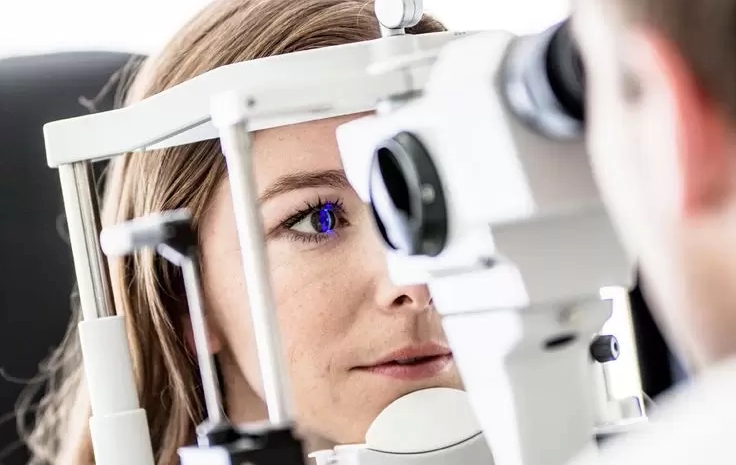
An eye doctor examines a patient with unexpected vision changes to determine the cause. Visual acuity exams measure distance vision and can detect refractive problems or retinal abnormalities. Measure intraocular pressure to detect glaucoma, especially acute cases that cause rapid visual loss. Dilated eye exams allow the expert to check the retina, optic nerve, and blood vessels at the back of the eye, which is necessary to diagnose retinal detachment, macular degeneration, and vascular issues. Advanced imaging methods like OCT and fundus photography allow accurate retinal and optic nerve images. An eye doctor may prescribe additional tests or referrals to other medical specialists if systemic disorders may cause vision abnormalities.
Sudden Vision Change Risk Factors
Certain people are more susceptible to abrupt eyesight difficulties. Over-50s are more likely to develop glaucoma, macular degeneration, and other retinal diseases. Genetic predisposition increases glaucoma and other eye disease risk. Chronic illnesses including diabetes, high blood pressure, and autoimmune disorders can impair eye health and cause unexpected vision alterations. Smoking, poor diet, and prolonged screen time can cause eye strain and degeneration. Regular checks are also important since previous eye injuries or procedures might make the eyes more susceptible to complications.
Vision Protection Preventives
Even without visual difficulties, preventative eye care can prevent unexpected changes. Routine eye checkups detect eye illnesses before they become crises. Comprehensive eye exams should be done every one to two years for adults, more often for those at risk. Manage chronic illnesses like diabetes and high blood pressure to reduce visual problems. Sunglasses, safety goggles, and screen breaks help protect your eyes from UV radiation and prevent eye strain. Keeping a nutritious diet rich in leafy greens, omega-3 fatty acids, and antioxidants and avoiding smoking and alcohol minimizes chances of vision impairment. Maintaining eye health requires monitoring vision changes and intervening quickly when problems develop.
Case Studies on Timely Care
Several real-life examples show how eye specialists can save vision. A sixty-year-old patient saw sparkles and a shadow in his peripheral vision. Retinal surgery prevented permanent vision loss after immediate consultation. A forty-five-year-old lady with acute glaucoma had abrupt eye pain and blurred vision. Emergency treatment reduced her intraocular pressure and saved her vision. The third case featured a fifty-year-old diabetic with impaired eyesight. Early diabetic retinopathy was detected, and rapid treatment preserved her central vision. These cases demonstrate that early detection and treatment can greatly improve outcomes.
Selecting an Eye Specialist
Sudden visual alterations require a trained eye expert. Credentials, experience, and advanced diagnostic technology matter. Retinal, glaucoma, and emergency eye care specialists are best. Accessibility is important because early examination can avoid permanent damage. Patient ratings and suggestions can help people feel confident in their treatment by revealing care quality and bedside manner.
Conclusion
Unexpected eyesight changes should never be ignored. Some symptoms are transitory, while others indicate significant eye or systemic disorders. Recognizing symptoms, understanding causes, and seeing an eye doctor quickly can save your eyesight and health. Preventing abrupt vision problems requires regular eye exams, good lifestyle choices, and risk factor awareness. If you observe unusual visual changes, professional help is needed for early detection and treatment. Eye protection today ensures clearer, brighter tomorrow.