
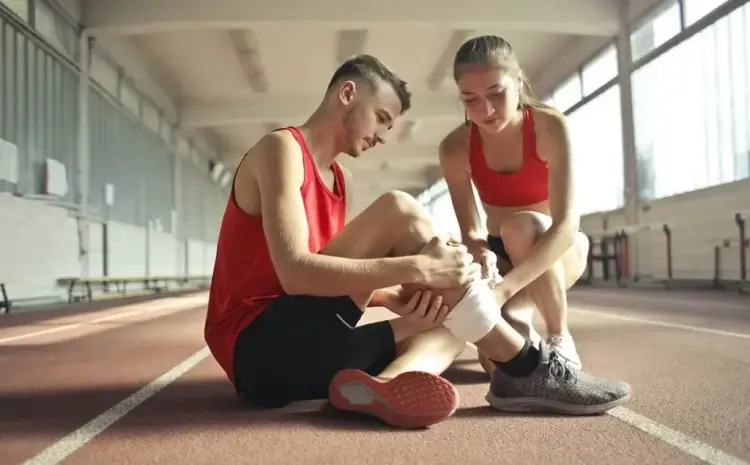
From weekend warriors to professional athletes, sports injuries are an inevitable fact of life for all kinds of athletes. Being sidelined can be demoralizing whether your injuries are more minor or more severe—a sprained ankle, a muscle pull, or something more. With the correct strategy, though, you can recover from sports injuries without losing strength and, occasionally, even return stronger than before. The secret is to know the recovery process, follow a suitable rehabilitation schedule, and keep concentrated on preserving general fitness during your leisure. This tutorial will walk over the key processes for recovering from sports injuries while maintaining strength and improving your long-term performance.
1. Appreciating the Process of Injury and Recovery
Understanding the type of the injury and the recovery schedule is the first step in getting back from a sports injury. Recovering times vary depending on the kind of damage from a few days to several months. While more severe injuries like fractures or ligament rips could call for surgery and significant rehabilitation, certain injuries, like sprains or strains, may just require rest, ice, compression, and elevation (the R.I.C.E. approach).
Working together with your physiotherapist, sports medicine specialist, or healthcare provider will help you to grasp the particular restrictions and needs for your condition. Ignoring the harm or pushing oneself too hard could cause further damage later on, setbacks, or chronic issues. Though it’s a slow process, recovery calls for patience; yet, with the correct plan, you can return more robust and powerful.
2. Give Early Rehabilitation and Active Rest top importance.
While rest is essential for recovery, active rest is more likely to keep general strength. While avoiding stressing the damaged area is crucial, equally vital is avoiding total inactivity. Extended rest can cause muscular atrophy, lower cardiovascular fitness, and joint stiffness—all of which can impede your recuperation and complicate your return to your former degree of performance.
Early on in your recuperation, your rehabilitation specialist could advise mild motions or workouts targeted at sections of your body not directly impacted by the injury. If you have a lower-body injury, for instance, your upper body can keep being developed with sitting upper-body weightlifting or resistance training. Similarly, if you have an arm or shoulder injury, concentrate on lower-body workouts including lunges, leg presses, or cycling to keep general strength and cardiovascular fitness.
Your rehabilitation team’s advice should be followed, and avoid aggravating the wounded area prior to its readiness. Many sportsmen misjudge returning to play too soon, running the danger of reinjury or extending their healing duration.
3. participate in injury-specific rehabilitation.
Damage-specific rehabilitation takes front stage once the acute phase of your injury passes. Strengthening the damaged area, increasing flexibility, and regaining range of motion comprise this stage. During this period, working with a physiotherapist is absolutely vital to guarantee proper execution of workouts and targeted muscle group activation.
Usually beginning with simple mobility and stretching exercises, rehabilitation activities progressively develop to more vigorous motions as your body heals. Exercises meant to increase your balance, coordination, and awareness of your body’s position in space define proprioceptive training, a frequent rehabilitation method. Targeting the injured area and re-establishing motor patterns, single-leg stands, balancing board exercises, and resistance band workouts can help, for instance.
Your rehabilitation program also should include strengthening exercises. Using weights or resistance bands and progressively adding resistance will help the affected muscles and tissues restore strength. Restoring the functionality of the damaged region without overloading it is the aim. Progressive resistance exercise will assist stop muscular atrophy and increase general strength while your damage recovers.
4. Keep Up Cardiovascular Fitness
You may easily overlook cardiovascular exercise when healing from a sports injury, particularly if your injury keeps you from participating in the activities you usually love. Still, a well-rounded recovery depends heavily on keeping cardiovascular health. Apart from avoiding deconditioning, it improves circulation, so hastening the healing process.
Low-impact exercises like swimming, cycling, or elliptical machine use can assist preserve cardiovascular fitness while lowering the risk of aggravating the damaged area if your injury permits. An outstanding substitute for running or high-impact exercise are these mild on the joints and muscles activities.
If your injury keeps you from doing any kind of aerobic exercise, think about working with your healthcare team to create substitute plans include seated cardio sessions that rest your lower body or upper body targeted activities.
5. Recovery: Diet and Water
The healing process depends mostly on proper diet and water, hence your capacity to recover from a sports injury will be much enhanced. Your body needs enough nutrients to heal injured tissues, rebuild muscle strength, and keep energy levels during the healing process.
Rebuilding muscle following an injury depends critically on protein, a nutrient. Your diet can hasten recovery by including lean sources of protein including chicken, turkey, fish, eggs, tofu, and lentils. A range of fruits and vegetables also provide vital minerals and vitamins, including zinc (which promotes tissue healing) and vitamin C (which is crucial for the production of collagen).
Another key element of your recovery diet are carbohydrates since they give your body the energy it needs to repair and go about daily activities. Over processed sugars, which can aggravate inflammation and impede recovery, whole grains, fruits, and vegetables should take front stage.
Another crucial need is hydration. Maintaining good hydration guarantees that your body will be able to eliminate waste materials and effectively deliver nutrients to the wounded area. Even if it’s only light exercise, try to sip lots of water throughout the day since dehydration can hinder healing. This is especially important while physically active.
Six: Emphasize flexibility and mobility.
Maintaining flexibility and mobility is absolutely essential for minimizing stiffness and preserving strength as you heal from a sports injury. Should your damage impact a joint or muscle group, you can find limited range of motion or tightness. Early on stretching and mobility exercises will help you to address these problems and prevent compensation from other muscle groups, therefore enhancing your flexibility.
Target the impacted area with mild stretching exercises first, then progressively raise the intensity and length of time your body lets you. To raise tissue flexibility and boost circulation to the damaged area, include foam rolling and dynamic stretching exercises Though you should stretch regularly, try not to overstretch or push through pain since this could cause reinjury.
Including yoga or Pilates into a recovery program helps many athletes. These techniques stress flexibility, strength, and balance, therefore restoring ideal movement patterns and avoiding imbalances brought on by injury compensation.
7. Mental Fortitude and Maintaining Hope
When recovering from a sports injury, physical healing only half the struggle. The mental component of rehabilitation is just as crucial since maintaining optimism and mental resilience can greatly affect the pace and degree of success of your recovery.
As they heal from an injury, athletes can feel frustrated, anxious, or even alone. These feelings could make it more difficult to keep dedicated to your rehabilitation program and motivated. Acknowledging these emotions is crucial, and if necessary, ask friends, family, colleagues, or mental health professionals for help. Additionally useful for stress management and keeping a good attitude are journaling or contemplative techniques.
Moreover useful are visualization methods. Spend daily time seeing yourself heal and get back to your sport stronger than before. This will increase your confidence and keep your control over your healing process.
8. Resume Your Sport Gradually
You can start returning to your sport once you have finished most of your rehabilitation and your doctor provides the all clear. Still, it’s important to start back into physical exercise slowly. Beginning low-intensity training, gradually raise the intensity and length of time as your body adjusts. Steer clear of high-intensity training sessions or straight back-off from full-contact sports to avoid needless strain on your body.
As you get back into your activity, keep in mind that your body speaks. Should you feel pain or discomfort, stop right away and see your doctor before moving forward. Ensuring that you avoid re-injury yourself depends on a cautious, under control return to your sport.
Conclusion
Recovering from a sports injury calls for a whole strategy including appropriate therapy, active rest, strength building, diet, and mental fortitude. Maintaining strength, flexibility, and general fitness while healing from an injury depends on your keeping concentrated on your rehabilitation plan and following the direction of your healthcare team. Recovery is a process, thus by giving patience, endurance, and self-care first priority, you will be better ready for the future, stronger, and more resilient when you return to your sport.