Our brain and nerve system govern everything from blinking to walking and speech. Interference with these complicated networks can be devastating. Paralysis and movement problems severely impair body function. Injury, stroke, or neurological disease can cause these diseases, which require specialist medical care. Neurosurgeons use cutting-edge surgery and technology to restore movement, lessen discomfort, and help patients regain control.
Paralysis Causes and Understanding
A person loses muscle function due to paralysis. It may be temporary, permanent, or incomplete. When the brain and muscles stop communicating, paralysis develops. A spinal cord injury, brain stroke, tumor, nerve damage, or neurological disease can cause this collapse.
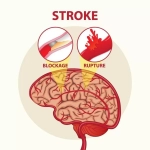
Paralysis can affect one side (hemiplegia after a stroke), both legs (paraplegia), or all four limbs. Damage to which nervous system portion determines the impact. Some cases require surgery to relieve pressure, reconnect nerves, or restore brain tissue circulation. Rehabilitation and medicines can help.
Define Movement Disorders.
Movement disorders are neurological illnesses that influence movement. They may produce excessive or involuntary motions or make movement difficult. Parkinson’s, essential tremor, dystonia, and chorea are examples. These illnesses are usually caused by basal ganglia and cerebellar dysfunction, which control muscular movement and coordination.
Conditions cause different symptoms. Tremors, stiffness, slowness, loss of balance, and involuntary twisting or jerking may occur in certain people. These symptoms might make eating, walking, and writing difficult over time.
Movement Control by the Nervous System
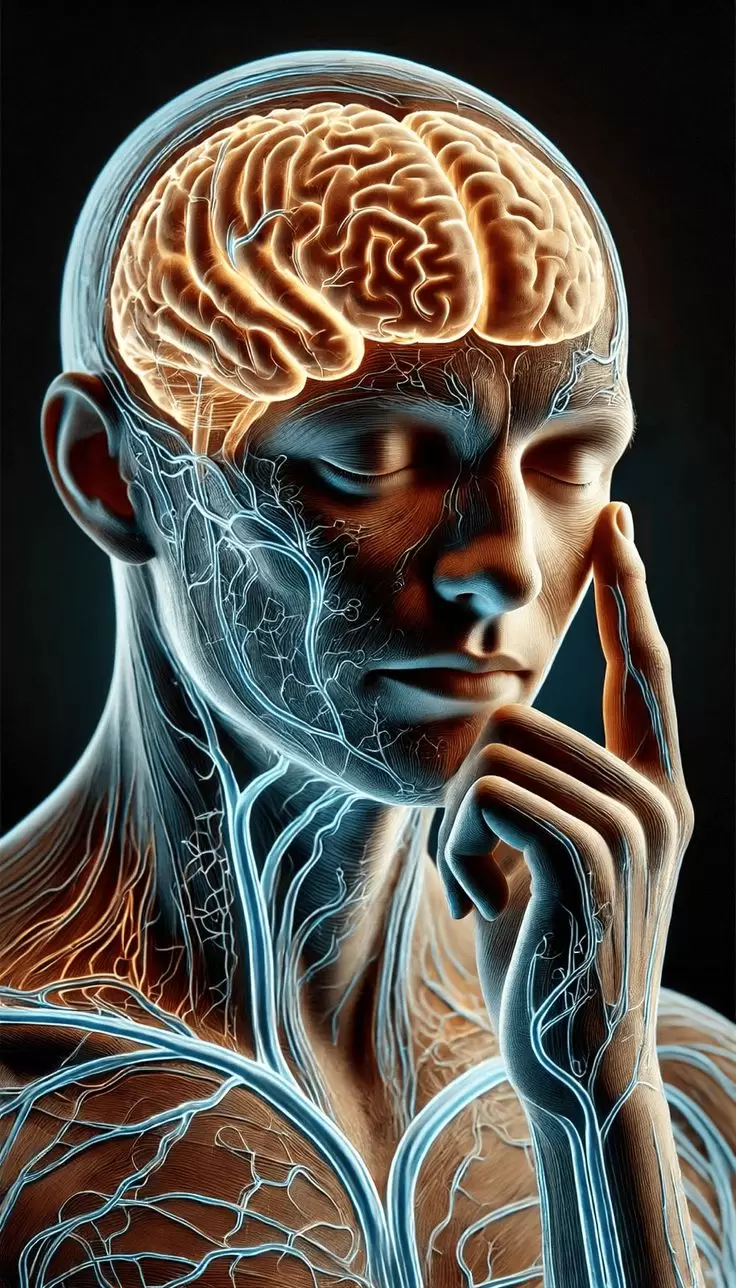
Through spinal cord nerves, the brain delivers electrical messages to muscles. Signals cause muscles to contract or relax. Motion is impeded when this communication channel is damaged by injury, disease, or degeneration.
Paralysis completes this disruption—brain messages cannot reach muscles. Movement disorders include signal processing and coordination. A neurosurgeon determines where this disturbance occurs and whether surgery or intervention can fix it.
When to See a Neurosurgeon
Paralysis or movement problems may not require surgery, but severe, worsening, or unexplained symptoms require professional care. If you have persistent weakness, tremors that interfere with everyday duties, or sudden loss of feeling or movement after injury or stroke, see a neurosurgeon.
Early neurosurgical evaluation can be crucial. They can use MRI or CT scans to locate the damage and choose the best treatment. Early surgery can avoid permanent harm or restore function.
Paralysis Treatment: Neurosurgeon Role
Treatment for paralysis depends on its etiology and severity. Surgery to relieve pressure, restore blood flow, or repair nerve connections is led by neurosurgeons.
Neurosurgeons can decompress and fix fractured vertebrae in spinal cord injuries. This may restore partial sensation or movement and prevent nerve damage. Brain tumors and blood clots can cause paralysis, but removing them can relieve pressure and enhance motor function.
Microsurgical nerve repair or grafting may reconnect injured nerves. This restores brain-muscle control. Neurosurgeons can lower aberrant nerve signals to help spasticity patients relax and move more naturally.
Treatment of Movement Disorders: Modern Surgery
Drugs are the primary line of treatment for most movement disorders, but sometimes they are not enough. Advanced, minimally invasive neurosurgery improves symptoms and quality of life.
The surgical treatment Deep Brain Stimulation (DBS) is quite effective. In this operation, a neurosurgeon inserts thin electrodes into movement-controlling brain areas. These electrodes manage aberrant brain signals with regulated electrical impulses. The outcome is smoother, more controlled movement with fewer tremors, stiffness, and jerks.
Lesioning includes targeting hyperactive brain regions that cause aberrant movement patterns with a tiny lesion. Although rarer, it is nevertheless utilized when Deep Brain Stimulation is unsuitable.
Mild electrical currents given to the spinal cord to control nerve activity help certain patients. Patients with mobility issues gain freedom and good symptom management with these methods.
Neurosurgery Technology Advances
Technological advancements have transformed neurosurgery. Modern neurosurgery techniques enable accurate, minimally invasive surgeries that were previously unattainable. Image-guided navigation, intraoperative monitoring, and robotic-assisted devices make complex procedures safe and accurate.
Neurosurgeons use functional MRI and neuro-mapping to locate dysfunctional brain areas in movement disorders. They can real-time monitor brain signals to adjust stimulation or lesion placement during surgery. These advances have improved surgery outcomes, recuperation times, and dangers.
The Value of Rehabilitation
Surgery is frequently just the start of recovery. Patients need rehabilitation to restore strength, coordination, and confidence. After paralysis or mobility disorder surgery, physiotherapists, occupational therapists, and speech experts help patients recover.
Rehabilitation aids neuroplasticity, which adapts the brain to new movement patterns. Surgeons and therapists collaborate to provide holistic care that addresses both physical and emotional rehabilitation.
Post-surgery
Neurosurgical intervention aims to restore patients’ lives, not only fix a disability. Neurological surgery has helped many people with severe tremors or immobility complete daily tasks.
Paralysis patients might find hope and motivation in even tiny feeling or mobility gains. Neurosurgeons are developing brain-machine interfaces and regenerative therapies to restore full movement to paralyzed patients.
Conclusion
With modern medicine and neurosurgery, paralysis and movement abnormalities can be treated. These complex neurological issues are diagnosed, managed, and treated by neurosurgeons. Beyond surgery, they study the nervous system’s complex connections and use cutting-edge technology to restore mobility and independence.
Patients can regain body control and live satisfying lives with quick intervention, customized treatment, and ongoing rehabilitation. The brain’s ability to repair and adapt, guided by neurosurgeons, shows how science and determination may restore movement and hope.