
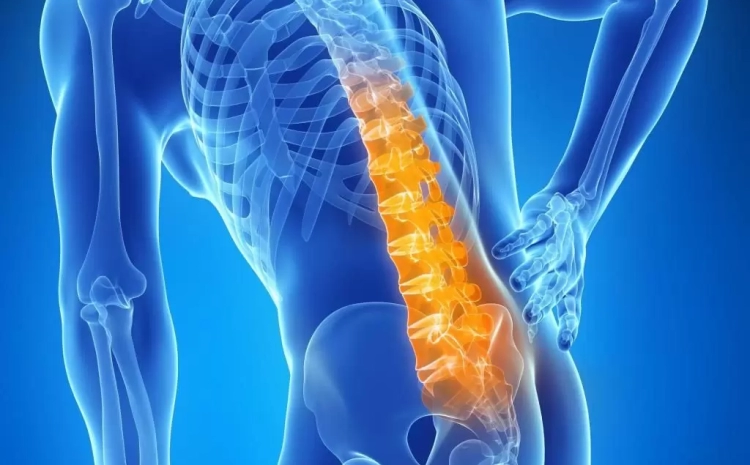
When Back Pain Turns Serious: Knowing the Right Time to See a Neurosurgeon
Back discomfort is a frequent health issue for all ages. Long hours of sitting, heavy lifting, bad posture, or no apparent cause might cause it. Pain is usually minor and improves with rest, rehabilitation, or medication. However, back pain may indicate a major spine or nerve condition. Knowing when to see a neurosurgeon can improve treatment and recovery.
Common Back Pain Causes
Back discomfort can be caused by muscle strain or spinal disorders. Due to bad posture, lack of exercise, or inappropriate lifting practices that strain back muscles and ligaments. Chronic back pain can occur from ruptured discs, spinal stenosis, arthritis, or nerve compression.
Mild back discomfort from muscular tiredness normally heals with rest and home remedies, but severe or persistent pain may signal a structural or neurological disorder that requires medical attention.
Spine Function in the Body
The spine does more than support your body. It safeguards the spinal cord, which links the brain to the body. A spine injury or condition can alter nerve function, causing numbness, weakness, or coordination issues in addition to pain.
Do not overlook back discomfort that keeps coming back or spreading to other areas. These symptoms may indicate nerve disorders that require a neurosurgeon's evaluation.
Back Pain Needs Expert Care
Many people wait to see a specialist because they think the pain will go away. That may be true for muscle pain, but other indicators indicate a more serious issue. If you encounter any of these, see a neurosurgeon:
- Back discomfort that persists after rest and treatment
- Radiating leg/arm pain
- Limb numbness, tingling, or weakness
- Problems with bladder or bowel control
- Injury or fall-related severe pain
- Nighttime pain that disrupts sleep
These symptoms generally indicate nerve compression, ruptured discs, or spinal cord involvement, requiring specialist treatment.
Neurosurgeon for Back Pain: Why?
Neurosurgeons are commonly associated with brain surgery. Spinal and nerve problems are also neurosurgeon specialties. Their specialty is diagnosing and treating complex spine disorders that affect the neurological system.
Neurosurgeons utilize MRIs and CT scans to diagnose pain. Treatment may include medication, physiotherapy, or minimally invasive nerve-relieving surgery, depending on the diagnosis. To restore mobility, decrease pain, and prevent long-term damage.
Neurosurgeons Treat Common Spine Conditions
Multiple spine diseases can cause severe back pain. Common ones include:
- Herniated Disc: When the soft inner part of a spinal disc breaches its outer layer, it can press on adjacent nerves, causing acute pain and numbness.
- Spinal Stenosis: When the spinal canal narrows, the spinal cord and nerves are compressed, causing pain and weakness.
- Degenerative disc disease: As we age, the discs between the vertebrae lose flexibility and cushioning, causing chronic pain.
- Compression of the sciatic nerve causes sciatica, which radiates from the lower back to one leg.
- Spinal injuries: Accidents or trauma can cause spine fractures or dislocations that require surgery.
Modern Spinal Pain Treatments
Recently developed medical technology makes spinal treatment safer and more effective. Precision equipment and imaging systems allow neurosurgeons to do minimally invasive treatments with smaller incisions, less blood loss, and faster recovery.
Epidural injections, physiotherapy, and lifestyle changes are generally tried first. If nerve compression or structural damage causes pain, surgery may relieve pressure and stabilize the spine.
For severe spinal problems, microdiscectomy, laminectomy, and spinal fusion are common. These operations reduce discomfort and improve strength and movement.
Important of Early Diagnosis
Early spinal diagnosis improves outcomes. Early identification permits nerve injury intervention before irreparable damage. Ignoring or taking painkillers might exacerbate the illness and cause chronic troubles or mobility loss.
If you have a history of spine-related disorders, diabetes, or strenuous physical labor, regular check-ups and imaging testing can detect issues early. Neurosurgeons can help with diagnosis and treatment.
Early Back Pain Prevention
Lifestyle changes can considerably minimize the likelihood of back pain. Keep your posture straight, stay active, strengthen your core, and minimize weight gain.
Properly lifting heavy objects and utilizing ergonomic office furniture can also safeguard your spine. Long-term sitters can avoid stiffness and muscle strain by stretching and taking pauses.
Paying attention to your body's warning signs and adopting spine-friendly routines can greatly reduce your chance of serious back problems.
Spine Care for Painless Living
Chronic back pain can impair your health, happiness, and quality of life. Most spinal issues can be treated, especially if caught early. Seeing a neurosurgeon early guarantees that your disease is appropriately diagnosed and treated before it worsens.
The backbone of your health is your spine. Take care, listen to your body, and never overlook chronic pain. Neurosurgeons use cutting-edge diagnostics and surgery to help many patients enjoy pain-free, active lives.
Conclusion
Back pain is common, but persistent pain is serious. Knowing when to seek medical care is the first step to recovery. See a neurosurgeon if your back discomfort persists, radiates, or is accompanied by numbness or weakness. Early diagnosis and treatment can avoid subsequent issues and help you restore strength and mobility for a pain-free, active, and satisfying life.