Brain injuries are major medical emergencies. They can affect a person’s life in seconds and frequently without notice. Brain trauma from a vehicle accident, fall, or sports injury requires prompt medical attention and expertise. Neurosurgeons—medical professionals who treat sensitive, life-threatening brain, spine, and nervous system conditions—guide patients through the arduous healing process.
Understand Brain Injury
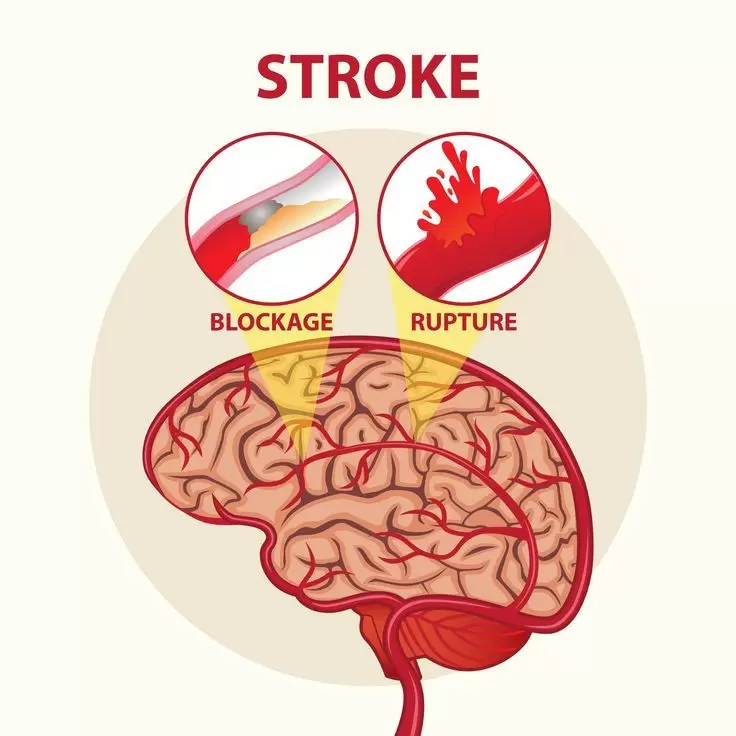
A brain injury happens when an external force damages brain tissue. These injuries fall into two categories: TBI and ABI. Car crashes and falls cause traumatic brain injury. Internal factors include lack of oxygen, stroke, or infection cause acquired brain damage.
Traumatic brain injuries range from mild concussions to serious head trauma. Dizziness, disorientation, and headache may occur temporarily in mild cases. A serious injury might cause loss of consciousness, memory loss, paralysis, or coma. The force of impact, trauma location, and medical intervention speed determine injury severity.
Why Time Matters: The Golden Hour
Time matters most in brain trauma. The first 60 minutes following an injury are called the “golden hour” by doctors. Fast medical care can boost survival and reduce long-term damage during this window. This phase requires emergency personnel to stabilize the patient, maintain brain oxygen and blood flow, and avoid additional harm.
Neurosurgeons are usually notified during hospital examination. CT or MRI scans are done quickly to assess the injury. Surgeons can identify internal bleeding, edema, skull fractures, and brain-compressing blood clots with these scans. Following this examination, the neurosurgical team plans next measures.
Emergency Brain Care: Neurosurgeon Role
Neurosurgeons begin their work when a brain-injured patient arrives at the hospital. They aim to preserve brain function and avoid harm. Any swelling or bleeding can increase intracranial pressure, threatening important brain structures, because the skull is unyielding.
Start with stability. Managing the airway, breathing, and circulation ensures the patient gets enough oxygen. Neurosurgeons then use the Glasgow Coma Scale (GCS) to determine awareness and therapy. The scale might indicate mild, moderate, or severe injuries.
If scans show internal bleeding or swelling, surgery may be needed. Neurosurgeons may conduct craniotomies to relieve pressure and remove blood clots or damaged tissue. Monitoring devices track brain pressure and advise treatment in less severe cases.
Common brain trauma types
Emergency neurosurgery treats various TBIs. A subdural hematoma, where blood pools between the brain and its covering, is one of the most prevalent. Epidural hematomas frequently result from skull fractures that tear arteries. In diffuse axonal damage, brain nerve fibers are stretched or ruptured by fast acceleration or deceleration, like in a vehicle crash.
Each injury needs a unique therapy. Some can be handled with close observation and medication to decrease swelling, but others need emergency surgery to prevent irreversible damage. Under pressure, neurosurgeons must make crucial life-or-death judgments in minutes.
Advanced Tech Role
Medical technology has revolutionized neurosurgery. High-resolution CT and MRI scans let surgeons see tiny damage. In emergencies, 3D navigation and intraoperative imaging let surgeons operate precisely.
Robotic-assisted neurosurgery and neuronavigation have simplified and improved complicated operations. These technologies improve patient outcomes, reduce invasiveness, and recuperation time. These gadgets let neurosurgeons work faster and more accurately in critical instances.
After Surgery Care and Recovery
The therapy process continues after surgery. Brain damage recovery takes time, patience, and multidisciplinary team assistance. Patients are observed in the ICU after surgery to check brain function, prevent infection, and manage swelling.
Rehabilitation begins after the patient stabilizes. Physical therapy for motor function, occupational therapy for everyday skills, and speech therapy for communication issues may be needed depending on the injury. Since many brain trauma patients have emotional and cognitive issues, psychological support is crucial.
Neurosurgeons collaborate with physiotherapists, neuropsychologists, and rehabilitation specialists to develop customized recovery regimens. The goal is to help the patient return to regular life, however the timeline depends on the injuries.
The Social and Emotional Effects of Brain Trauma
Brain injuries impact emotional and social well-being beyond physical damage. Memory loss, mood swings, and focus issues are common. The patient and family may be distressed by these symptoms. Brain damage recovery demands resilience and support.
Family members are vital to healing. They motivate, assist with everyday tasks, and track patient improvement. Support groups and counselling can help families cope with caregiving and understand brain trauma’s long-term repercussions.
Brain Injury Prevention
Many brain injuries can be prevented with basic safety measures. Helmets on bikes and motorcycles, seatbelts in autos, and home safety to avoid falls can lower danger. In physically hazardous workplaces, safety standards and protection gear are necessary.
Public awareness efforts also help avoid. Awareness of concussion symptoms, the need for rapid medical attention, and the risks of disregarding brain injuries can save lives.
Neurosurgical Trauma Care Future
Neurosurgery advances rapidly. New research focuses on regenerative medicines to mend brain cells. Diagnostic systems are using AI and machine learning to diagnose injuries faster and more accurately. Rehabilitation using virtual reality helps patients regain movement and coordination through interactive exercises.
Telemedicine is also growing. Neurosurgeons can now remotely instruct local doctors in emergencies without specialist care utilizing digital platforms. Rural and distant places benefit from this method, improving patient outcomes before reaching a hospital.
Life After Brain Injury: Hope Journey
Brain injury recovery is long and uncertain, but it carries resilience and hope. Many patients regain independence and life satisfaction with quick intervention, excellent neurosurgical treatment, and adequate rehabilitation assistance. Early detection, treatment, and recovery support are crucial.
Emergency room neurosurgeons save lives and rebuild patients. With medical advances and their knowledge, every brain trauma patient has a chance to recover. Neurosurgical professionals move trauma patients from impact to rehabilitation with precision, compassion, and dedication.