
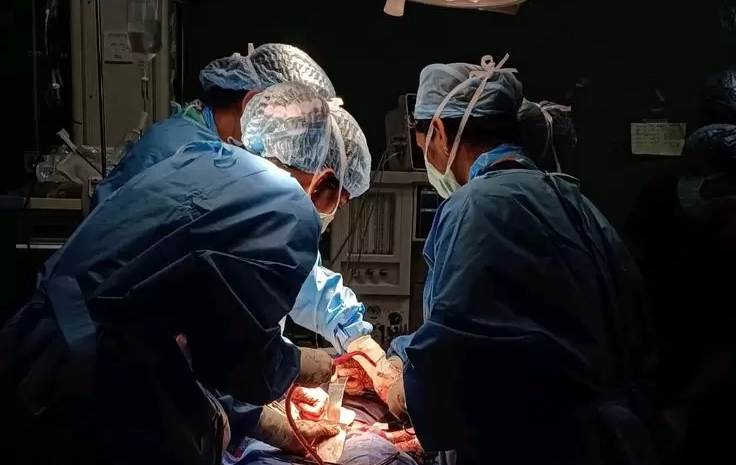
Inside the Operation Theatre: What Happens During a Neurosurgical Procedure
Brain and spine surgeries are among the most difficult. They need precision and a profound understanding of the brain's fragile anatomy and how even a slight movement can change a patient's life. Neurosurgery can be perplexing and scary for patients and their families. The operating room is governed by expertise, technology, and teamwork.
Knowing what happens during neurosurgery might help patients relax and trust the process. Everything from preparation to recuperation is organized for safety and success.
Detailed Planning and Assessment Before Surgery
Neurosurgical procedures require substantial planning. The neurosurgeon, radiologists, anesthesiologists, and surgical nurses spend hours examining brain and spine imaging. MRI, CT, and angiography data determine the operation site and optimum approach.
Preoperative planning maps speech, movement, and memory-controlling brain areas. This protects these sites during surgery. Advanced 3D imaging helps doctors see the operative site. Surgeons need this stage to reduce risks and improve accuracy.
General health tests are also performed before surgery. Blood, ECG, and anesthetic testing guarantee the body can handle the procedure. The neurosurgeon and anesthesiologist review the procedure with the patient and family, answering any questions. At this stage, transparency and communication alleviate anxiety and mentally prepare the patient for surgery.
First: Operation Theatre Arrival
The patient enters the sterile operation theatre (OT) with sophisticated machines, surgical instruments, and monitoring systems on surgery day. Every OT surface, instrument, and gadget is disinfected to prevent infection. The medical staff maintains stringent hygiene regulations in sterile gowns and gloves.
The patient is carefully positioned on the surgical table based on the technique. A unique frame holds the head during brain surgery to avoid movement. The patient may be face-down or on their side for spine procedures to provide the surgeon the best access.
Step 2: Anaesthesia
Then comes anesthetic. The anesthesiologist keeps the patient comfortable and stable during the surgery. Most neurosurgeries employ general anesthesia, which puts the patient to sleep. In brain procedures involving speech or movement centers, the surgeon may do an awake craniotomy, where the patient is conscious for a brief time to monitor brain activity.
Anesthesiologists monitor heart rate, blood pressure, oxygen levels, and brain activity. After anesthesia, the scalp or spine is cleansed, sterilized, and covered with sterile drapes, leaving only the surgery site exposed.
Third: First Incision
Neurosurgeons start with the initial incision. A craniotomy is a small scalp cut and meticulous skull opening for brain surgery. The excised bone is kept and rebuilt after surgery.
The surgeon gently separates tissues and exposes a tumor, clot, aneurysm, or nerve using surgical microscopes and precision equipment. Measured and controlled every movement. Spine surgeons reach the spinal column or nerves with a small back incision instead than entering the head.
This stage involves continual communication between the surgical team to ensure every tool and step is perfect. The peaceful, focused environment values every second.
Step 4: Brain/Spine Surgery
Neurosurgery begins when the target area is reached. The surgeon may remove a tumor, repair a blood artery, relieve pressure, or stabilize the spine. This requires extreme precision. Every body function is controlled by key nerves around the brain and spinal cord, so even the smallest miscalculation can have lifelong ramifications.
Neurosurgery today uses microsurgical procedures with pencil-thin instruments under a microscope. Endoscopic tools—small cameras and devices placed through small openings—help surgeons execute minimally invasive treatments. These treatments reduce tissue injury and speed recovery.
Intraoperative monitoring tracks nerve signals and brain activity live. This helps the surgical team avoid affecting crucial functions. In situations of brain tumor excision near speech or movement centers, patients may temporarily wake up so doctors can evaluate their speech or movement to ensure no damage.
Step 5: Controlling Bleeding and Precision
Since the brain has many blood channels, managing bleeding is a major difficulty in neurosurgery. Microsurgical cautery and hemostatic medicines help surgeons stop bleeding rapidly. They can see even the smallest vessels with high-definition cameras and robotics.
Computer-guided navigation technologies, like brain GPS, provide precision. The surgeon may trace instruments in the brain's 3D map with millimeter accuracy using these systems. Modern neurosurgery is safer and more predictable thanks to these technology.
Step 6—Surgical Site Closure
The surgeon carefully checks the area after the procedure to ensure no bleeding or fluid leaking. Bone flaps from craniotomies are restored and fixed with tiny plates or sutures for brain procedures. The scalp incision is nicely closed.
Spinal procedures may employ metal screws or rods to support the spine. A sterile dressing is used after layering the wound to prevent infection. The anesthesiologist gradually reduces anesthetic and helps the patient regain awareness.
Step 7: ICU recovery
The patient is closely monitored in the neurosurgical ICU after surgery. The first few hours are crucial for spotting difficulties, thus the medical team monitors vital signs, brain activity, and neurological responses.
Initial symptoms may include tiredness, disorientation, or minor edema. Preventive and pain drugs are given as needed. Physical therapy and rehabilitation commence in the following days to restore strength and coordination. Surgery complexity and patient recovery determine hospital stay.
Technology and Teamwork in the OT
Neurosurgical success depends on the surgeon and a well-coordinated team. Neurosurgeons, anesthesiologists, nurses, and technicians operate together like a machine. Every team member knows their job, from instrument preparation to patient monitoring.
Technology is crucial in the OT. Modern neurosurgery suites have neuronavigation systems, intraoperative MRI scanners, and robotic arms for accurate microscopic movements. These instruments eliminate human error and allow surgeons accomplish complex operations through tiny holes with minimal tissue injury.
Robotic devices can hold instruments stable for hours, letting surgeons focus on precision. Live feedback from high-definition imaging tools ensures every surgery maneuver is safe. This mix of human skill and modern technology has transformed neurosurgery.
Rehabilitation after surgery
Surgery is just the beginning of recovery. When the patient stabilizes, a rehabilitation plan is created to restore functions. This may include physical, occupational, or speech therapy, depending on the procedure.
After brain tumor removal, patients may need speech and memory training. After spinal surgery, physiotherapy improves posture, mobility, and strength. Regular neurosurgeon visits ensure recuperation is going well and no issues occur.
Healthy eating, stress reduction, and medication adherence are also advised to aid long-term rehabilitation.
Humanizing Neurosurgery
Neurosurgery is amazing, but it also requires compassion and understanding. Surgeons spend hours soothing families, explaining treatments, and giving hope. An skilled staff and human sensitivity drive every operation to save lives and futures.
Knowing what happens in the operating room calms and reassures patients. The combination of technology, expertise, and caring makes neurosurgery safer, more accurate, and more successful than ever.
Conclusion
Neurosurgery is a perfect blend of science, technology, and human skill. Years of training and invention govern pre-surgery preparation, execution, and recovery. The goal in the operating room is simple but profound: to protect the body's most complicated organ and offer patients a new life.
Neurosurgery has become one of the most advanced and promising fields of medicine thanks to teamwork and developments.