Two of the most important organs in your body, your kidneys sometimes go unseen until something goes wrong. They silently handle important chores including waste removal, blood pressure control, fluid balancing, and blood filter cleaning. Actually, they filter almost 50 gallons of blood and generate one to two quarts of pee daily. Given their significance, it’s essential to know how to look after your kidneys before any symptoms of renal impairment become evident.
This article will cover all you need to know about kidney health, including best practices to maintain kidneys operating as they should. This page has you covered whether your goals are to avoid chronic kidney disease or find strategies to sustain good kidney function.
Why Do Your Kidneys Count?
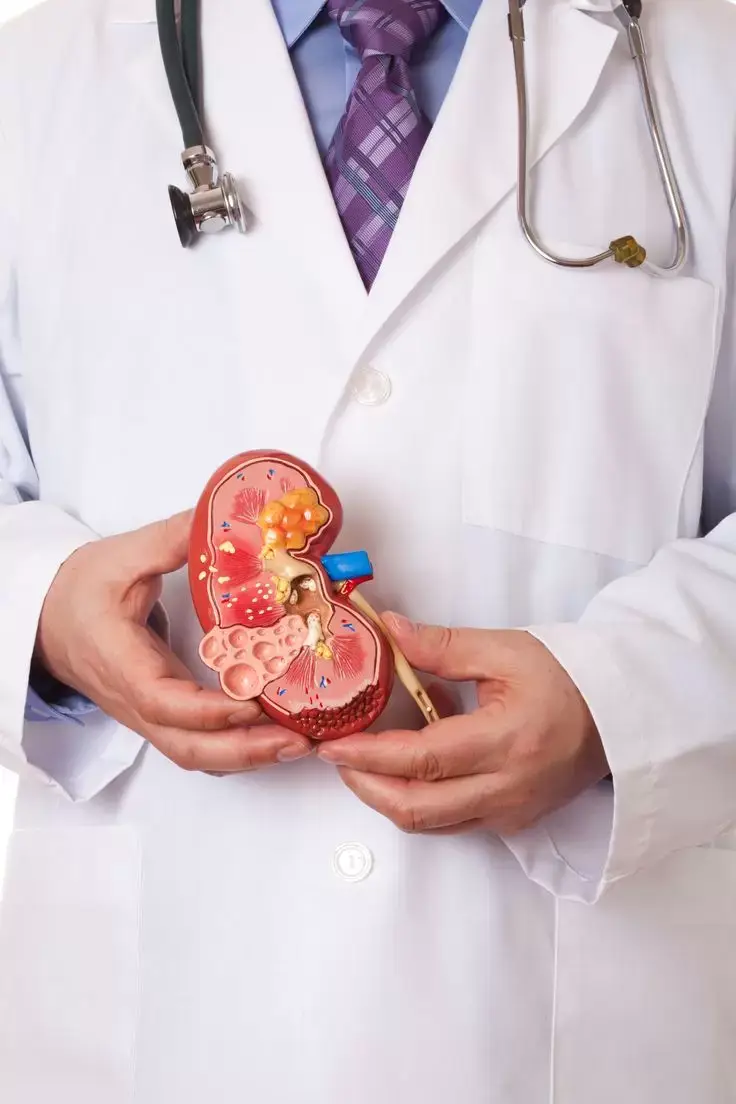
Beyond only generating urine, kidneys play a number of vital functions. Your blood gets toxins and trash filtered by these bean-shaped organs. They help the body to keep the proper ratio of electrolytes to fluids. Kidneys are also vital for the synthesis of red blood cells and control blood pressure by means of hormone release. They stimulate vitamin D, which promotes strong bones. These roles make kidney maintenance vital for general well-being.
Early Indices Your Kidneys Could Be Under Stress
Many kidney disease sufferers go without symptoms until their condition has progressed. Still, knowing the early warning symptoms will enable you to act preventively. Early signs can include swollen hands, feet, or ankles. Weakness and tiredness would point to improper waste filtration by your kidneys. Other early signs of chronic kidney disease in adults are frequent urination, especially at night; foaming or red urine; high blood pressure; and trouble focusing.
How Should One Naturally Take Care of Their Kidneys?
Maintaining good kidney function does not always call for drugs or intrusive procedures. Changes in lifestyle naturally help kidney function greatly. One of the easiest and most efficient strategies to support kidney clearance of toxins and salt is to keep hydrated. Unless directed differently by a healthcare expert, try to drink eight to ten glasses of water a day.
An important pillar of renal care is a balanced, kidney-friendly diet. Emphasize including whole grains, lean meats like chicken and fish, fresh fruits and vegetables, and good fats from foods like olive oil and almonds. Cut back on processed foods, too much salt, sugar, red meat, high-fat dairy. Essential for renal function, regular physical activity helps control blood pressure and preserve a normal weight.
Steer clear of smoking and cut back on alcohol intake since both over time weaken the kidneys. High blood pressure and diabetes are the main causes of kidney disease, hence controlling blood pressure and blood sugar levels is absolutely vital. Long-term harm can be avoided in part by consistent monitoring and drug adherence. Particularly when taken regularly, over-the-counter medications such as aspirin and ibuprofen might lower blood flow to the kidneys, hence be careful using them. Maintaining general and renal health also depends on sleeping sufficiently and controlling stress.
Best Foods for Function and Health of Kidneys
Your diet either helps or damages your kidneys. Maintaining good kidney functioning depends on selecting the appropriate nutrients. Excellent for renal function, red bell peppers are low in potassium but abundant in vitamins A, C, and B6. Rich in antioxidants and fiber, cauliflower aids renal waste processing. Without additional salt, garlic can improve the taste of food and naturally possesses anti-inflammatory qualities.
While seafood like salmon deliver omega-3 fatty acids, which lower inflammation and enhance heart health—a major component of kidney health—blueberries are bursting with antioxidants and help ease inflammation. Rich in fiber, apples support detoxification. If you already have renal illness, you should steer clear of foods heavy in potassium such tomatoes, oranges, and bananas. See a dietitian always to customize a kidney diet program to fit your particular requirements.
Comprehending Chronic Kidney Disease (CKD)
With chronic renal disease, the kidneys progressively lose their ability over time. Usually caused by chronic diseases like diabetes and high blood pressure is it Stages of CKD advance, and finally they can cause end-stage renal disease, which calls for dialysis or a kidney replacement.
CKD comes in five phases. Stage 1 consists in modest renal damage under a normal filtration rate. Stage 2 is indicated by minor loss of function; Stage 3 is marked by moderate loss. Stage 4 exhibits substantial function loss; stage 5 is renal failure. Common risk factors are diabetes, high blood pressure, obesity, smoking, and kidney disease running in a family. Usually using blood tests to evaluate creatinine and estimated glomerular filtration rate (eGFR), urine tests to identify protein levels, and ultrasounds as imaging tests, testing and diagnosis also involve
Natural Prevention of Kidney Disease
Prevention is the best course of action whether you wish to avoid kidney disease completely or are highly at risk for it. Particularly if you have diabetes, hypertension, or a family history of kidney problems, annual exams are absolutely vital. Before symptoms show, these tests can identify early stages of chronic renal disease.
Monitoring your protein intake is crucial since too much of it will tax your kidneys. Another smart thing is keeping current on drugs that might compromise kidney performance. Particularly if taken long-term, some over-the-counter and prescription medications might damage your kidneys. By lowering blood pressure, stress-reducing activities including yoga, meditation, or even basic breathing exercises might indirectly improve kidney function.
Managing One Kidney or Donating a Kidney
Others may choose to donate a kidney; some people are born with only one kidney. In both circumstances, when proper medical care is done, the body may adapt really wonderfully. Living with one kidney means that one should keep a good lifestyle, keep an eye on their kidney performance, and stay away from contact sports to reduce the possibility of damage.
One often safe and common operation that can greatly increase the recipient’s quality of life is kidney donation. Donors should follow up long term to make sure the surviving kidney keeps working as it should. If one stays dedicated to a good lifestyle, living with one kidney usually does not lead to serious health problems.
Seeing a nephrologist when?
A nephrologist is a specialist handling problems connected to kidneys. Given diabetes or persistent high blood pressure, you should think about visiting one as these are main factors of kidney disease. Additionally legitimate reasons to see a nephrologist are unusual changes in urine color, ongoing edema, recurrent kidney infections, or a family history of kidney illness. Early diagnosis and therapy will help to greatly slow down the course of chronic renal disease.
Conclusion
Although your kidneys are little, their importance for your general health is enormous. Ignoring early symptoms or keeping bad habits could cause permanent damage. You can keep your kidneys healthy all your life by realizing the value of kidney health, doing basic daily activities, and making wise decisions. Wait not for a warning notice. Beginning today, start looking after your kidneys.