
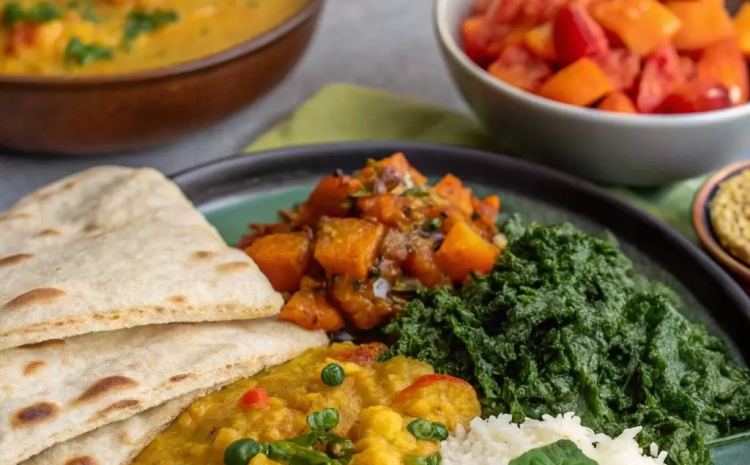
Home-cooked meals are considered the healthiest. They give you control over ingredients, cooking methods, and portion amounts and bring family recipes to life. Many individuals believe that cooking at home guarantees a healthy diet. Even the most careful home cooks might omit nutrients, abuse products, or fall into unhealthy habits. Dieticians can help you make delicious, nutritious home-cooked meals.
Misconception of Home-Cooked Meals
A prevalent myth is that home-cooked meals are healthier than restaurant or takeout. Cooking at home gives you more control over food and hygiene, but it doesn’t guarantee balanced nutrition. If traditional recipes have been modified, many home-cooked meals may contain processed carbs, extra sweets, or harmful fats. Meals may lack diversity in fruits, vegetables, and protein, and portion sizes may be uneven. Dieticians assist detect gaps and optimize nutrition without sacrificing taste or culture.
Understanding Nutritional Balance
Even well-prepared home meals can be nutritionally lacking. A dish may be high in carbohydrates but poor in protein or fiber, or it may have adequate calories but not enough vitamins and minerals. Dieticians check meals for health benefits. They may recommend beans or lean meats for protein, leafy greens for vitamins and minerals, or whole grains for fiber. This method turns home-cooked meals into balanced, healthy meals.
Portion Control and Calorie Awareness
Portion control is a secret issue of home-cooked meals. Comforting, familiar, or bountiful meals are easy to overserve. Healthy nutrients might add calories if portion sizes aren’t managed. Dieticians help people understand portion proportions for their age, activity level, and health goals. They also explain how to adapt recipes to preserve calorie balance while enjoying home cooking flavors and sensations.
Traditional Recipe Optimization
Many families use inherited recipes. These culturally and emotionally significant recipes may contain too much oil, salt, or sugar. Dieticians can improve classic foods without sacrificing taste. They may suggest using better oils, lowering sugar, or adding veggies for fiber. These minor changes boost nutrition while keeping beloved recipes.
Finding Hidden Nutritional Gaps
A home cook who prioritizes fresh foods may lack critical nutrients. Dieticians check meal patterns for iron, calcium, and omega-3 fatty acid deficits. They suggest solutions to these shortcomings. A handful of nuts, seeds, or fortified foods can offer nutrients without altering a meal. Dieticians detect and fill nutritional gaps to ensure home-cooked meals fulfill body demands.
Supporting Health Objectives
Adjusting home-cooked meals to meet health goals typically requires professional help. For instance, losing weight may require cutting refined carbs or portion sizes. High blood pressure patients may need help reducing sodium without losing flavor. Dieticians create personalised plans to make home-cooked meals healthy and pleasurable.
Increasing Meal Variety
Repetition plagues home cooking. Due to convenience, tradition, or personal preference, many homes rotate a few recipes. While traditional meals are comforting, a lack of diversity can cause nutrient imbalances or boredom, leading to unhealthy snacking or cravings. Dieticians recommend variety in ingredients, flavors, and cooking. They may suggest adding seasonal veggies, protein sources, or grains to each meal to provide a variety of nutrients and spice up meals.
Cooking and Eating Mindfully
Registered dieticians encourage mindful eating and cooking. Mindfully choosing ingredients, making meals, and knowing nutritional worth are all part of mindful cooking. Mindful eating involves noticing hunger and satiety signs, enjoying food, and avoiding distractions. These tips can help you enjoy home-cooked cuisine without overeating or emotional eating. Dieticians help cooks practice mindfulness to improve their relationship with food.
Meal Adjustments for Lifestyle Changes
Aging, childbearing, increased activity, and chronic illness might influence dietary needs. Home cooks may not always adapt meals to changing needs. Dietitians assist people adjust recipes for health changes. Active young adults may need extra protein and energy, while diabetics may need to watch carbohydrate intake. Dieticians optimize nutrition and health throughout life by adapting home-cooked meals to lifestyle changes.
Reducing Chronic Disease Risk
Optimized home-cooked meals can prevent or manage chronic diseases. Dieticians support heart, blood sugar, and digestive health by focusing on meal design, portion control, and item selection. Whole grains, lean meats, and plenty of veggies can reduce diabetes and cardiovascular disease risk by limiting added sugars and bad fats. Dietician-guided minor changes can turn everyday meals into health-preserving tools.
Supporting Mental Health
Nutrition and mental health are related, and home-cooked meals are crucial. Omega-3 fatty acid, B vitamin, and magnesium deficiencies can impact mood, energy, and cognition. Dieticians ensure meals offer mental health-promoting nutrients. Dieticians assist home-cooked meals nourish the body and boost emotional and cognitive wellness by guiding ingredient choices and meal design.
Promoting Sustainable Eating
Dieticians stress home cooking sustainability. Seasonal ingredients, food waste reduction, and environmentally friendly ingredient choices are examples. Healthy eating and environmental protection can be achieved by combining home-cooked meals with sustainability. Dieticians offer ways to incorporate sustainable behaviors without losing taste, convenience, or nutrition.
Building Cooking Confidence
Cooking skills and confidence might improve with dietician help. Dieticians advise on portioning, ingredient replacements, and nutrient- and flavor-preserving preparation. Home cooks learn to make better choices, try new recipes, and adjust meals to match their family’s nutritional needs. This teaching promotes lifelong good eating.
Home-cooked meal customization
Personalized guidance is a primary benefit of dietician consultation. Based on age, activity level, health, and aspirations, everyone has different nutritional needs. Dieticians evaluate these elements and make recommendations to ensure home-cooked meals fit individual needs. Personalization improves home cooking’s health benefits by altering protein consumption, carbohydrate distribution, and micronutrient content.
Managing Food Preferences and Culture
Cultural traditions and culinary choices matter to dieticians. They boost nutritional quality without sacrificing taste or authenticity. This allows people to enjoy familiar, culturally relevant dishes while improving health. Dieticians help combine traditional cookery with evidence-based nutrition changes.
Promoting Long-Term Health
Dieticians develop long-term healthy eating habits, not just individual meals. Dieticians help people eat well by evaluating meal patterns, improving recipes, and teaching mindful cooking and eating. Homemade meals boost health, avoid chronic disease, and foster a healthy relationship with food.
Conclusion
Home-cooked meals provide control, comfort, and connection in healthy eating. Dieticians may improve even the best meals. Nutritional balance, portion control, ingredient optimization, and lifestyle adaption are dieticians’ specialties, ensuring that meals are tasty and healthy. They identify nutritional shortages, adapt traditional dishes, promote mental and physical wellness, and promote mindful eating.
Consult a nutritionist to make home-cooked meals nutritious, flavorful, and rewarding. This advice guarantees that home cooking remains essential to health, happiness, and longevity. Dieticians can improve even well-prepared meals, helping families thrive through balanced, informed, and mindful eating.