
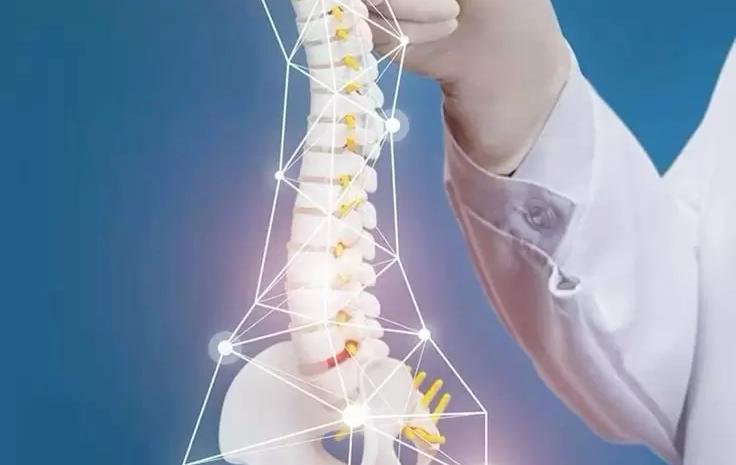
The spine supports our mobility, balance, and strength, not merely keeping us upright. Every time you sit, stand, walk, bend, or breathe, your spine softly supports and coordinates the body. Despite its importance, spine health is typically overlooked until pain or stiffness occurs. Spinal health is important for long-term health and quality of life.
Understanding Spine Structure
The vertebral column, or spine, is complex with 33 vertebrae. The spinal cord is protected by this strong, flexible column of bones. The spinal cord is the main nerve channel between the brain and body.
A soft, cushion-like disc between each vertebra absorbs shock and prevents bones from rubbing. The spine is supported and mobile by ligaments and muscles. The cervical spine, thoracic spine, and lumbar spine make comprise the spinal column. Each zone helps you move smoothly and balance because of its function.
Your body moves efficiently, your posture is robust, and your neurological system works well when your spine is aligned. Even a minor imbalance or tension can restrict mobility, cause pain, and harm your health.
How Daily Habits Affect Spine
Modern lifestyles are spine-damaging. Spinal pain is often caused by desk work, bad posture, lack of exercise, and inappropriate lifting. Technology has made life easier and sedentary. Working at screens for long hours strains the neck and back. Repetitive stress can cause disc degeneration, herniated discs, and chronic back pain.
Simple habits like sleeping on an unsupportive mattress, carrying heavy luggage on one shoulder, or wearing high heels can cause spinal misalignment. These practices strain the spine, overworking some muscles and weakening others. Stiffness, inflammation, and pain worsen with age.
Spine and Nervous System Health
The spine is a critical communication channel and structural pillar. The vertebral column protects the spinal cord, which links the brain to every organ, muscle, and tissue. Damage or pressure on this sensitive system can disrupt nerve signals, causing pain, numbness, tingling, or weakness.
For instance, a bulging or slipped spinal disc can push on adjacent nerves. This might produce shooting pain in the arms and legs. The spinal cord can be compressed by degenerative spine changes, limiting coordination and mobility. Good spinal alignment keeps neural pathways clean, allowing the body to function normally.
Common Spine Problem Causes
Many internal and external factors might cause spinal difficulties. Poor posture is a major culprit, especially in persons who sit or stand all day. Insufficient spine support from weak core muscles also contributes.
Falls and rapid impacts can cause spine fractures, dislocations, and soft tissue injuries. Wear and strain from heavy lifting and repetitive actions can cause spondylosis and arthritis. Fat puts pressure on the lower back and discs, straining the spine.
Another natural influence is age. As people age, spinal discs dehydrate and lose flexibility, leaving them more vulnerable. Exercise and good spinal habits can decrease aging, which is unavoidable.
Early Signs of Spinal Disease
People often ignore spinal pain until it’s severe. The body sends early warning indicators that should never be ignored. Chronic back or neck pain, stiffness after sitting, limb tingling, and reduced range of motion are signs of spinal stress.
You may not realize that spine-related headaches, fatigue, or posture changes are causing them. Muscles work harder to support a crooked spine, causing stress and weariness. These indications can be detected and treated early to avert more serious diseases.
The Value of Posture
Posture is a basic but important spinal health factor. Good posture evenly distributes weight, relieving spine and muscle discomfort. Slouching, leaning forward, or sitting inappropriately stresses joints and ligaments by curving the spine. Over time, muscle imbalance, stiffness, and chronic discomfort can result.
Keep your shoulders relaxed, back straight, and head aligned with the spine for good posture. Standing weight should be evenly distributed across both feet. Sit with your feet on the floor and your lower back supported by the chair. These minor modifications can improve spinal health over time.
How Exercise Strengthens Spine
Physical activity helps preserve spinal strength and flexibility. Regular exercise boosts muscular tone, blood circulation, and spinal health. Spine support comes from core muscle strength in the belly, back, and hips.
Stretching and reducing stiffness are benefits of yoga, swimming, and walking. Strength training promotes stamina for daily activities, while stretching relieves muscular tension and improves posture. Light movement helps avoid sitting or inactivity-related stiffness.
However, proper exercise is crucial. Overwork or incorrect technique can injure. Protecting the spine during exercise requires warming up, utilizing good form, and gradually increasing intensity.
Sleeping for Spinal Health
Sleep repairs the body, and the spine benefits. Spinal alignment depends on sleep posture, mattress, and pillow quality. Sleeping on a soft or hard mattress can induce improper spine bending and morning stiffness or back discomfort.
Experts advocate sleeping on your back or side to retain the spine’s natural curve. Avoid cervical discomfort with a neck cushion that supports the neck without tilting. Get enough sleep to regenerate spinal tissues and recuperate from daily stress.
Nutrition, Spine Health
Healthy bones and muscles require nutrients. Calcium, vitamin D, and magnesium-rich foods strengthen vertebrae and lower osteoporosis risk. Protein helps muscles heal, while omega-3s minimize spinal joint inflammation.
Also important is hydration. Since spinal discs are mostly water, they are flexible and absorb shock well. Dehydration decreases disc flexibility, increasing injury risk. Simply eating well and staying hydrated can protect the spine from long-term harm.
Stress Management for Spinal Health
The body is affected by emotional stress in multiple ways. Anxiety and tension strain neck and shoulder muscles, causing stiffness and pain. Chronic stress can cause tension, poor posture, and spinal pain.
Deep breathing, meditation, and stretching reduce muscle tension and soothe the nervous system. Taking breaks at work, staying active, and staying happy are all vital for spine and mental health.
When to See a Specialist
Not all spinal pain is innocuous. If discomfort lasts weeks, radiates to the arms or legs, or produces numbness or paralysis, consult a doctor. Seeing a spine expert or neurosurgeon early can prevent complications and improve treatment.
Modern medical technology makes spine care safer and more accurate. Advance imaging, robotic-assisted surgery, and less invasive methods let doctors treat spinal disorders with less pain and faster recovery. Avoid delaying diagnosis and treatment when symptoms occur.
Spine Health for Life
Spine care is lifelong. Maintaining spine health requires frequent exercise, careful posture, balanced nutrition, and medical exams. The sooner you start caring about your spine, the longer you can live pain-free and active.
Your spine supports you daily—through every movement, activity, and life stage. Give it the care it deserves to prevent pain, maintain strength, mobility, and vitality for years. A strong spine is essential to pain-free living.