
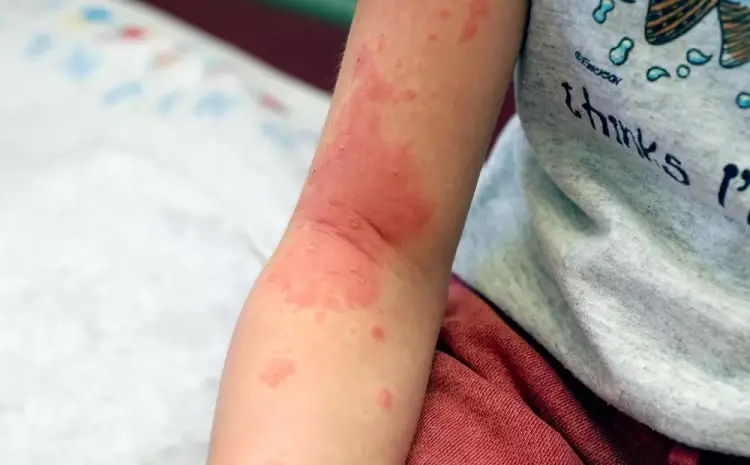
Most children especially look forward summer as a season. Holidays, park playing, pool days, and loads of outdoor fun follow from this. For many parents, however, summer also comes a known concern: rashes. Your youngster’s smooth skin can suddenly become red, bumpy, scratchy, or irritated. Although most of these rashes are not severe, they can irritate parents and children alike.
Why therefore precisely do children develop more rashes in the summer? To respond to that, we must investigate what kinds of irritants a child encounters during this season, how their body react to heat, and what happens to their skin in hot weather. The good news is most summer rashes can be avoided or controlled with just basic care once you know the causes.
Heat and Sweat: A Combo Triggering Rash
Sweat is one of the main causes rashes get more common in summer. Children tend to run around more than adults, hence they have more active sweat glands proportional to their body weight. Their sweat glands are still growing, though, hence they can be more readily obstructed. This causes what is sometimes termed as “prickly heat,” or heat rash.
Heat rash results from sweat becoming caught beneath the skin. Often on the neck, chest, back, or thighs, this retained moisture irritates the skin and produces small red bumps or blisters. Babies and toddlers especially get it since their sweat glands are even less developed. Though it looks itchy or painful, the rash is the skin’s reaction to too much heat and moisture.
The greatest method to lessen the likelihood of heat rash is to keep your youngster cool and dry. One may make a lot of difference by dressing them in loose, airy clothes and avoiding too hot surroundings.
The friction from diapers and clothes
Another element causing rashes is friction; this is particularly true in the summer when clothes often touch against moist skin. Mixed with heat and movement, synthetic fabrics, elastic waistbands, and tight collars can all irritate fragile skin. Heat, sweat, and friction taken together can cause painful diaper rashes in younger children still wearing diapers.
Additionally prone to friction-related irritation are the underarms, armpits, and inner thighs. The friction and dampness from your child spending long hours outside playing or wearing the same clothes all day might trigger redness and rash development.
Selecting appropriate textiles will help. Natural cotton clothing let the skin breathe better and cut friction; regular diaper changes are especially important for newborns in hot weather.
Rising Outdoor Exposure
Summer naturally entails additional outside pursuits, ranging from hours in the park or garden to beach visits. Although that’s fantastic for both physical and mental health, it also increases children’s regular exposure to allergies and irritants. Skin responses can be set off by pollen, grass, dust, even bug bites. If your child has sensitive skin or allergies, they may develop rashes from just brushing against plants or rolling about on the grass.
Another frequent source of skin irritation in youngsters is sunburn. Their skin is thinner and more sensitive than that of adults, hence even a modest too much sun exposure can cause uncomfortable redness or rash-like reactions. Certain children might even get a disorder known as polymorphous light eruption (PMLE), a sun-induced rash. Usually found on sun-exposed areas including the face, neck, and arms, it appears as red, itching pimples.
Reducing the incidence of such rashes can include limiting outside play during maximum sun hours, using mild sunscreens especially for children, and giving them a nice wash following outdoor activities.
Skin sensitivity and overheating
Children’s skin is by nature more sensitive than that of adults. Its weaker protective layer increases its reactivity to chemicals, heat, and environmental changes. High temperatures and humidity in summer help to magnify this sensitivity.
A child’s skin can be irritated by even typical summer activities include swimming in pool water, using too much sunscreen, or coming into close proximity to chlorine-treated water. Whether from too much sweating, strong soaps, or extended sun exposure, a disturbance of the skin barrier increases susceptibility to rashes and breakouts.
Children also typically overheate faster than adults. Their bodies are less effective in controlling temperature; when they get too warm, flushing, red areas or rash-like signs on the face and body may follow.
Maintaining a suitable body temperature, offering lots of fluids, and using moderate, fragrance-free skin products can help preserve their sensitive skin in the summer.
Infections from bacteria and fungi
Fungi and bacteria find warm, moist skin to thrive on. Regular cleaning of sweat from the skin or too long damping of the skin could cause illnesses such fungal rashes or impetigo. Usually beginning as red sues or blisters around the mouth and nose, impetigo is a contagious bacterial skin infection. Children from warm climates are more likely to have it, and it can spread rapidly with touch.
Additionally more likely in the summer are fungal illnesses including athlete’s foot and ringworms. These might show up on the foot, groin, or other sweaty places as well as red, round, itching patches on the skin. Youngsters running in sand, pools, or locker rooms are more prone to catch up such diseases.
The danger of bacterial and fungal rashes can be lowered by teaching your child good hygiene, keeping them dry and clean, and making sure they daily wear fresh clothing.
Summer Skincare Products: Allergy Reactions
Sometimes the very summertime products we use to keep kids safe might aggravate skin problems. Sensitive skin may be irritated by components in sunscreens, bug sprays, lotions, even laundry detergues. Artificial scents, preservatives, and alcohol-based formulations can cause contact dermatitis—a red, itchy, dry patching condition.
Even natural goods are not always safe; some plant-based components might induce allergic reactions particularly in relation to sunlight. Your child should stop using a product and see a pediatrician if their rash appears to get worse after application.
Always pick skincare products for children that are dermatologically tested, fragrance-free, labelled safe for babies or sensitive skin.
What Can Parents Do?
You have to be observant initially. If your child suddenly gets a rash, try to figure out what might have caused it: was it after a day outside, after using a new soap, or after lots of perspiration? Knowing the reason allows one to rapidly control the disease.
Summer rash flare-ups can be greatly lowered by keeping your child cool, promoting regular baths, changing to soft, breathable clothes, and using skin-friendly products. Furthermore, one should prevent scratching since it could cause infections. If necessary, you might use cool compresses or seek a doctor for soothing lotions.
In youngsters, most summer rashes are benign and will go away with basic care. You should see a pediatrician right away, though, if a rash is spreading quickly, gets painful, or accompanies fever or blisters.
Let Children Savor the Season Without the Rash.
Though they are a normal summertime occurrence for children, rashes are not a permanent feature of their life. Your child can enjoy the best aspects of the sunny season—fun, freedom, and play—without the discomfort of irritated skin by means of a little education and basic preventive care.
Summer is, after all, for running sprinklers, not for rubbing at red bumps. So keep their skin happy, hydrated, and protected — and let the good times roll.