
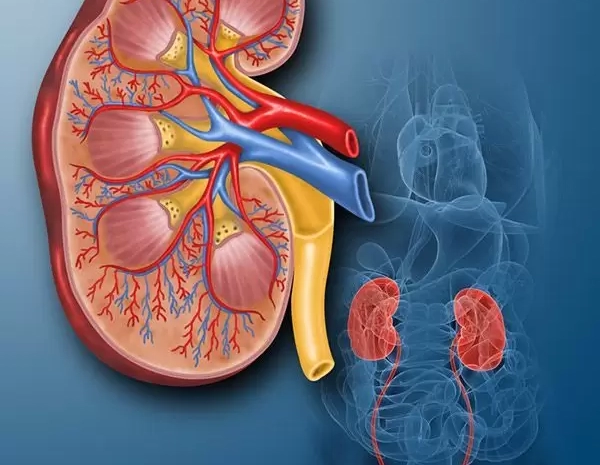
Little, bean-shaped organs, your kidneys silently carry some of the most vital roles in the body. They control blood pressure, balance fluids and electrolytes, filter waste items, and help red blood cells to be produced. The effects of a malfunctioning kidney might be major, yet early symptoms are usually minor or misinterpreted for another medical condition. Many people only think of consulting a specialist when their symptoms have already advanced as renal illness can start slowly. Complications arising from this delay could have been prevented with early diagnosis and treatment.
A nephrologist, or kidney specialist, is a physician especially concerned with renal function. From chronic kidney disease and kidney stones to high blood pressure and electrolyte abnormalities, their roles include detection, diagnosis, and treatment of a spectrum of kidney-related disorders. But when would be a good moment to see one? Let’s look at the indicators that should call for a visit, who is at risk, and why early attention to kidney health can have a major impact.
The Essential Function of Kidneys in Your Body
Knowing the key function kidneys do in the body allows one to appreciate why it is so important to safeguard them. Your kidneys filter almost 50 liters of blood every day to eliminate toxins and extra fluid through urine. They also support a balance of other electrolytes, sodium, and potassium. They also control blood pressure by releasing hormones and help bone health by way of vitamin D metabolism. Almost every aspect of your body can suffer when these functions are compromised.
Early Warning Signs Not Worth Ignoring
One of the most often occurring but underestimated indicators that your kidneys might be malfunctioning is ongoing tiredness. Your kidneys could be the source of your persistent tiredness, loss of energy, weakness or slowness even with proper sleep and hydration. Less of the hormone erythropoietin, which drives red blood cell generation, is produced by diseased kidneys. Less red blood cells imply less oxygen distributed to your muscles and brain, which can cause ongoing tiredness.
An alternative symptom is a clear change in urine. Good kidneys control your pattern of urination. On the other hand, these could be indicators of kidney problems if you find yourself waking up often at night to urinate, have foaming or bubbling urine, or detect blood in your urine. Certain persons report experiencing pressure or a notable drop in urine production. These are not typical symptoms and should cause you to see a doctor who might send you to a nephrologist.
Also suggesting your kidneys aren’t working effectively is swelling in the hands, feet, ankles, or around the eyes. Excess fluid that kidneys fail to eliminate builds up in body tissues and causes edema. This swelling can cause discomfort and linger.
Risk Factors Suggestive of Early Screening
Some persons should be more alert since they have more chance of kidney illness. Two most common causes of renal disease worldwide are diabetes and high blood pressure. If you have either problem, even if you feel well, frequent kidney function testing is absolutely crucial. Additional risk factors include obesity, smoking, older age, family history of kidney disease, and autoimmune diseases like lupus.
If you fit any of these groups, regular visits to your health care physician are crucial; yet, more specialist treatment may call for seeing a nephrologist. To stop the advancement of a condition, a kidney expert can offer customized recommendations, cutting-edge diagnostic tools, and suitable treatments.
Signs Suggesting Advanced Kidney Issues
As kidney disease advances, symptoms usually becoming more clear-cut and severe. Bad kidney performance can cause extra fluid to accumulate in the lungs, leading to dyspnea. Toxins that the kidneys cannot anymore filter out could cause nausea, vomiting, and lack of appetite.
Common complaints in severe renal disease are muscle cramps and itching, usually connected to mineral imbalances like calcium and phosphorous. Another major indication that your kidneys might be failing is high blood pressure difficultly controlled even with medication.
Should you have any of these symptoms, you must get professional treatment right once. Early intervention helps to slow down the illness and raise quality of living.
Diagnostic Tools Employed by Nephrologists
A nephrologist will thoroughly evaluate you with a review of your medical history, physical examination, and specific tests when you visit them. Blood tests measuring creatinine and blood urea nitrogen (BUN) enable evaluation of renal waste filtering performance.
Urine tests find protein, blood, or other abnormalities suggesting kidney disease. Structural problems or urinary tract obstructions can be found by imaging tests including CT scans or ultrasounds.
Sometimes the precise cause of kidney illness can be found by a kidney biopsy, which can then help to direct treatment recommendations.
Management Plans and Treatment Alternatives
The underlying reason and degree of your kidney disease will determine the recommended therapy by a kidney specialist. Early-stage illness mostly depends on controlling contributory elements like diabetes and hypertension. Reduced salt, protein, and potassium intake among other dietary adjustments help the kidneys to be less stressed.
Medications could be drugs meant to treat anemia, lower protein loss in urine, or manage blood pressure. When kidney stones arise, doctors might provide treatments or drugs to assist in either passing or removal of stones.
Dialysis or kidney transplanting may become required for advanced renal failure. A nephrologist guides patients through the difficult treatments and supports them throughout.
The Value of Timely Referral to a Nephrologist
Reversing permanent damage depends on timely referral to a kidney expert. Many persons with early kidney disease may only find issues during regular blood or urine testing; they have no symptoms. Regretfully, some patients are referred too late, therefore reducing available treatment options and raising their risks.
If you or your doctor observe symptoms of kidney malfunction, quick contact with a nephrologist will make all the difference. These experts offer knowledgeable treatment meant to retain kidney function, control problems, and preserve general health.
Getting ready for a visit to a kidney specialist
Getting the most from your visit depends on you being ready for your appointment. Get ready to go into great depth on your symptoms and medical history after compiling any recent lab findings, a list of your drugs and supplements.
Jot down questions concerning your disease, potential therapies, lifestyle modification, and what to expect going forward. Effective management of renal health depends on a cooperation that is developed by open communication with your nephrologist.
Living Healthy with Kidney Disease
If you have kidney disease, it’s crucial to realize you may lead a healthy, happy life with the correct lifestyle changes and care. Important steps are following treatment regimens, scheduling frequent visits, keeping a kidney-friendly diet, and avoiding damaging drugs like smoke and too much alcohol.
Support from family, doctors, and patient groups will enable you to negotiate obstacles and remain driven to save your kidneys.
In essence, never ignore your kidneys.
Often referred to as a “silent killer,” kidney disease may not show signs until major damage has done. Knowing when to see a kidney expert will enable early problem identification, avoidance of complications, and enhancement of results.
You should think about seeing a nephrologist if you have diabetes or family history, change in urine, ongoing tiredness, uncontrolled blood pressure, or other risk factors. Early diagnosis and treatment can greatly affect your quality of life and general state of health.
Your kidneys labor nonstop to maintain cleanliness and equilibrium in your body. One of the greatest methods to protect your health for years to come is to pay attention to the indicators they provide you and, when necessary, seek specialized treatment.