
Your muscles silently go through necessary chores every single day. In ways you might never consciously perceive, they contract, stretch, lift, and support you. Your body is breaking down a substance called creatine behind the scenes, which is absolutely essential for giving your muscles energy. One consequence of broken down creatine is creatinine. This material then passes through your bloodstream and finally gets to your kidneys, whose function it is to filter and discard it via urine.
Though creatinine is only one of several waste products your body produces, it is especially crucial for doctors to know how well your kidneys function. You sense no accumulation of creatinine. Neither taste nor sight of it exists. But if your kidneys stop efficiently removing it, the increasing creatinine level in your blood can show early renal problems.
Why Creatinine and Kidney Function are Closely Linked
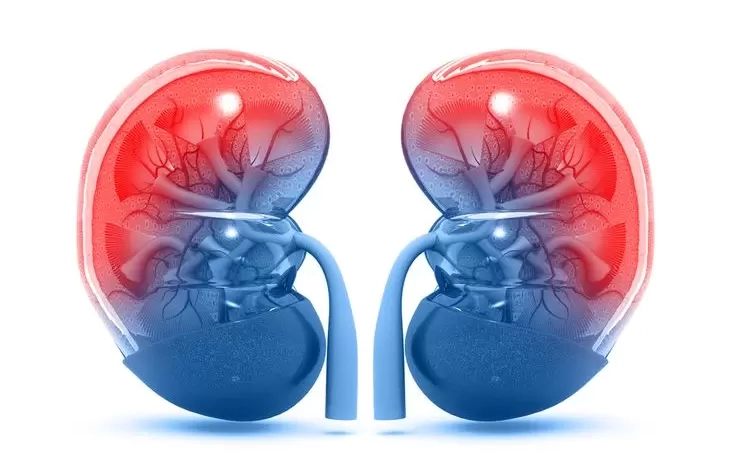
Consider your kidneys as the very best filtering system. These two bean-shaped organs filter trash, extra fluids, poisons and creatinine as your blood flows. Creatinine levels in your blood stay constant when everything is running as it should. Those levels can climb, though, even if your kidneys start to falter only slightly.
Creatinine is hence a major indicator utilized in blood testing. Simple, consistent, and precisely measurable is what it is. Often the first hint something isn’t quite right is raised creatinine. Conversely, very low creatinine levels could point to liver illness, malnutrition, or low muscular mass. Both extremes relate a tale about your general health, and your kidneys are usually essential to that story.
How Do Typical Creatinine Levels Look?
“Normal” might mean many things depending on who you are. Men often have more muscle mass than women, so their creatinine levels are usually higher. Regularly active athletes or others may also display somewhat raised levels, which is not always a concern. Generally speaking, a normal blood creatinine range for most adults ranges from 0.6 to 1.3 milligrams per deciliter (mg/dL.).
Context is, however, everything. Your doctor may assess your creatinine levels in conjunction with other indicators, such as blood urea nitrogen (BUN), or use it to determine your estimated glomerular filtration rate (eGFR), a formula providing a more whole view of kidney performance. The eGFR considers your age, sex, and race to ascertain how well your kidneys are eliminating waste. Should your eGFR be less than 60 for more than three months, chronic renal disease could be identified.
Why Do Creatinine Levels Increase?
Your creatinine levels may be higher for a number of reasons, not all of which point clearly to renal disease. Dehydration, for instance, can momentarily increase creatinine levels since less fluid in your blood will dilute it. Another temporary boost can come from a high-protein diet or recent red meat consumption. Some drugs occasionally can also induce a surge.
Still, constant elevation worries me. Sustained high creatinine levels can arise from chronic renal disease, acute kidney damage, severe infections, diabetes or high blood pressure. If so, it’s crucial to look into the underlying cause since early therapy can help stop or slow down more harm.
Low Creatinine: Is That Usually Positive?
Although a lower creatinine level is usually desirable, this is not always the case. Sometimes extremely low levels indicate another type of health problem. Muscle wasting, which reduces creatinine generation, is common in older adults or those bedridden for extended lengths of time. Reduced levels also can result from malnutrition, several liver diseases, and even pregnancy.
Although low creatinine by itself isn’t normally concerning, it could inspire more research if combined with other symptoms such weakness, tiredness, or inexplicable weight loss. Low levels, much as high creatinine, can reveal more general health trends deserving of attention.
Testing and Monitoring: What Should One Expect?
Usually included in a normal blood panel, getting your creatinine tested is easy. Should your doctor wish to delve further, they could request a 24-hour urine test to gauge the level of creatinine your body is eliminating. This offers a better view of kidney performance, particularly in light of worries regarding chronic renal disease.
If you already have diabetes or hypertension, regular testing is especially crucial. Over time, these disorders might tax your kidneys more than others; therefore, tracking creatinine levels helps your doctor to identify early changes. Early identification of an issue increases your chances of having suitable solutions for its management.
How Lifestyle Choices Affect Kidney Health and Creatinine
The degree to which your regular activities affect your creatinine levels and renal performance may astound you. Maintaining good hydration guarantees adequate fluid in your kidneys to effectively filter waste. Although it doesn’t always reduce creatinine directly, drinking adequate water promotes the mechanisms your body uses to eliminate it organically.
Additionally very important is a balanced diet. Your kidneys will be less taxed if you cut back on red meat and foods heavy in protein. Conversely, increasing consumption of fruits, vegetables, and whole grains helps kidneys function generally. While regular physical activity helps preserve muscle mass and metabolic activity, overdoing it—especially in very demanding training environments—can actually cause creatinine to temporarily rise from more muscular breakdown.
Managing underlying medical issues that can affect your kidneys is also absolutely vital. Your risk of chronic kidney disease is greatly lowered by maintaining a healthy range for blood pressure and blood sugar. Key behaviors that support long-term renal function also include avoiding smoking and minimizing alcohol intake.
Medications and Supplements: Exercise Caution
When taken too often or in large dosages, some over-the-counter painkillers—including NSAIDs—can compromise renal function. Particularly if you currently have renal problems, always read labels and follow dosage recommendations. Creatine and high-protein powders among other dietary supplements can potentially affect creatinine levels. If you enjoy bodybuilding or athletics, talk to a doctor about your supplement schedule to be sure it’s not unnecessarily taxing your kidneys.
Blood pressure meds, antibiotics, even some diabetes treatments can all affect kidney function and creatinine. Never change your medicine without consulting a doctor; always let your doctor know about whatever you are taking, including vitamins and herbal supplements.
When should one start to worry?
One aberrant outcome does not cause you to panic. Many factors can affect lab values; a little rise does not usually indicate a major problem. You should quickly see a healthcare physician, though, if your creatinine levels keep rising over time or if symptoms such edema, tiredness, dyspnea, or changes in urination accompany them.
Treatment outcomes can be much improved by early identification of renal issues. Many times, basic lifestyle modifications, medication changes, or improved treatment of underlying diseases will help kidney function to stabilize or perhaps increase. Ignoring those warning signals, though, could cause irreversible damage that reduces your choices going forward.
The Bigger View: Your Complete Wellness
More than just a number, creatinine is a clue about what’s happening inside your body. Although it mostly shows renal condition, it also provides a window into your general well-being, hydration level, and muscular condition. Though it’s one component of a far more complex puzzle, it’s nonetheless a crucial one.
Taking your creatinine seriously does not imply living in constant worry. It entails being proactive. Regular visits, keeping educated, and choosing a sensible lifestyle will help you to take charge of your health. The good news is your kidneys are strong. For many years, they can quietly and effectively carry out their essential roles with the correct support.
Conclusion
What then is creatinine, and why should you then pay attention? As a silent messenger, a small molecule able to expose major facts. It indicates whether your kidneys require help as well as their degree of performance. It captures your way of life, your behaviors, and occasionally your hazards. The more you know about it, the more suited you are to guard your general health as well as your kidneys. Wait not till an issue arises. keep conscious, keep proactive, and give the internal signals of your body great thought. Though they may not be loud, your kidneys are always speaking through creatinine. Now is the moment to start paying attention.