
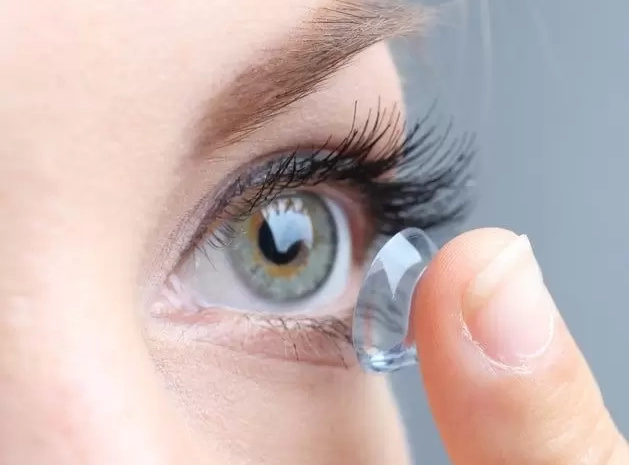
Contact lenses are convenient and popular eyeglass alternatives. They provide clear vision, a natural appearance, and comfort for vision-impaired people. Contact lenses require proper care and handling. Many individuals think they only need to replace lenses every few months after they start wearing them. Your eye health depends on how effectively you follow your eye doctor’s lens hygiene, usage time, and check-up recommendations.
In this article, eye professionals explain why contact lens wearers should follow their rules and how they can keep their eyes healthy and irritation-free.
Why Eye Specialists Stress Regular Exams
Contact lenses alter eye breathing and function. Lenses rest directly on the cornea, the eye’s transparent front surface, which needs oxygen to keep healthy. Even high-quality lenses deplete corneal oxygen over time. This can cause dryness, irritation, or infection.
All contact lens users should have annual eye exams, according to eye doctors. At these visits, your doctor checks corneal health, tear film quality, and lens fit. A lens that suited well months ago may no longer fit due to modest eye shape or tear production changes. Early irritation or oxygen deprivation diagnosis can avert long-term issues. Regular checkups let your specialist to adjust your prescription if your vision changes.
Expert recommendations for lens hygiene
The most crucial advise from eye doctors is hygiene. Your fingertips, lens case, and cleaning solutions touch your eyes regularly. A tiny cleaning mistake might let germs multiply and cause keratitis.
Before contacting lenses, experts advise cleaning hands with soap and water. To avoid contamination, clean and air-dry the lens case regularly. Never refill or reuse expired contact lens solutions. Tap water may contain harmful bacteria, thus eye experts advise against rinsing lenses with it. These simple but important steps prevent pain, redness, and infection.
Knowing the Value of Wearing Time
Material and oxygen permeability define the wearing schedule for each pair of contact lenses. Some lenses are for daily use, while others last two weeks or a month. Your eye doctor will recommend a timetable based on your lifestyle and eye health. One of the most typical lens blunders is ignoring these constraints.
Wearing lenses longer than suggested reduces corneal oxygen flow and traps protein, dirt, and bacteria. Dryness, poor vision, and corneal ulcers can result. Eye physicians advise patients to remove lenses before bed unless they are licensed for overnight usage. Even with extended-wear lenses, physicians recommend daily wear to reduce dangers. Following this advice can improve long-term eye comfort.
Choose the Right Lens Material and Type
Not all lenses fit all eyes. Those with sensitive eyes, allergies, or dry eye syndrome are less tolerant of particular materials. Astigmatism and presbyopia may require specific lenses. Before choosing a lens, an eye doctor assesses your tear composition, corneal shape, and eyesight.
Modern lenses are soft hydrogel, silicone hydrogel, or hard gas-permeable. People who use lenses for long periods prefer silicone hydrogel lenses because they allow more oxygen to enter the cornea. If your eyes are dry, your doctor may recommend daily disposable lenses to reduce deposits. Instead of copying others, balance comfort, clarity, and safety for your needs.
Use of Lubricating Eye Drops
Dryness is common in contact lens wearers, especially after screen time or air conditioning. Lens-safe preservative-free lubricating eye drops are recommended by eye doctors. These drops keep eyes moist and avoid inflammation.
Lenses are not compatible with all eye drops. Preservatives in some goods might harm lenses or irritate eyes. Using only eye specialist-approved formulas is crucial. Overusing unapproved drops can blur vision or alter lens surface, causing discomfort.
Dealing with Pain or Redness
Never disregard pain, redness, or vision changes. Contact lens wearers often rinse or re-insert the lens to fix these issues, but this can worsen the situation. Remove the lenses immediately if discomfort persists and don’t wear them again until your eyes are evaluated, say eye doctors.
Redness or pain may indicate infection or corneal abrasion. Untreated, these disorders might cause scarring or vision loss. Your doctor may prescribe eye drops or spectacles while your eyes heal. Instead than waiting for symptoms to fade, act quickly.
The Importance of Lens and Case Replacement
Contact lens and case expiration dates are intentional. Over time, lenses develop deposits that cannot be cleaned. Even after rinsing, lens casings can store bacteria. Experts recommend replacing lenses daily, bimonthly, or monthly, depending on kind. For hygiene, replace the lens case every two to three months.
Saving money by using old lenses or casings might cause costly and painful infections. Consistent replacement schedules are one of the easiest but most efficient ways to protect lenses.
Lens-Lifestyle Combination
Your eye doctor examines your daily routine when prescribing lenses. Lenses with high moisture or blue light filtration may be recommended for long-term technology users. Protective eyewear or daily disposable lenses can prevent irritation in dusty or windy workplaces.
Diet and hydration affect ocular comfort. Drinking water and eating omega-3-rich meals can boost tear production. Specialists say lifestyle awareness is as crucial as glasses for eye health.
Prescription updates and follow-ups
Even if you like your lenses, you need monthly checkups. Gradual vision changes may not be noticeable until an eye checkup. Your specialist might modify your prescription, lens type, or cleaning process during routine appointments. These consultations also detect dry eye and corneal irritation early.
Avoiding follow-up visits can cause long-term problems that could have been avoided with earlier assistance. You should see your eye doctor regularly.
Receiving Professional Advice
Every cleaning, replacement, or rest period recommendation your eye doctor makes is based on medical experience and study. Compliance with these instructions maintains eye health and lens comfort. Skipping stages or taking shortcuts may appear innocent, but they can cause serious problems that are hard to fix.
Contact lenses are medical devices, not fashion accessories. Taking care of them and following professional advice assures clear vision without eye damage.
Conclusion
Safe and comfortable contact lens use requires understanding and following your eye doctor’s advice. Eye infections and irritation can be avoided with regular checkups, hygiene, replacement, and handling. Only with proper care can contact lenses deliver excellent vision and ease. Make seeing your eye doctor a regular habit to protect your vision and eye health.