
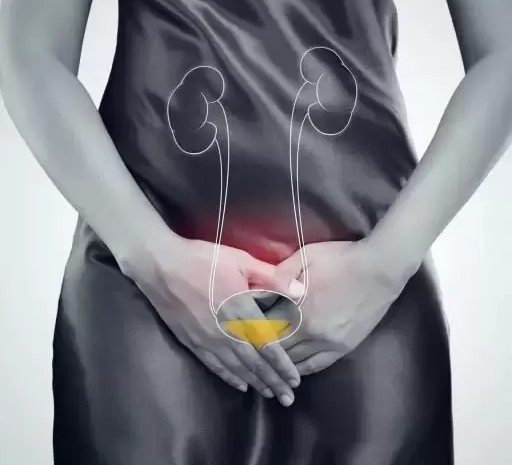
Overactive bladder (OAB) is more than a nuisance. This medical issue can make daily tasks stressful and interfere with your social, professional, and personal life. A lot of folks discreetly accept the problem as part of aging or something they have to manage. OAB has known causes, viable therapies, and validated management measures. Knowing it better can help you restore control and quality of life.
Know Overactive Bladder
An urgent and frequent need to urinate might cause inadvertent leaks in overactive bladder. Everyone feels urgency after drinking a lot of fluids, but OAB is different. This occurs when the bladder muscles contract too often or at the wrong periods, even when empty.
Urinating more than eight times a day and waking up two or more times at night is considered frequent. It can affect men and women, but women report more cases. Embarrassment, anxiety, and social retreat can accompany physical symptoms.
Causes of Overactive Bladder
The bladder stores and releases pee with brain and nerve system cooperation. Normal bladder filling causes nerves to signal the brain to urinate. These signals are transmitted too soon or often in OAB, generating acute urges.
OAB develops from several reasons. Bladder muscles deteriorate with age. Neurological illnesses like Parkinson’s and MS can impede nerve communication. Diabetes, urinary tract infections, and bladder stones may contribute. After menopause, hormonal changes can increase risk for women and prostate difficulties for men.
Common Signs You Can’t Ignore
Overactive bladder symptoms impede daily life. Urgency—a sudden, intense need to urinate that is hard to delay—is the most prevalent. Urge incontinence—involuntary pee leaking before the bathroom—can result from this urgency.
Another indicator is frequency. OAB patients may urinate every hour. Nocturia—waking up numerous times at night to urinate—is another common ailment. Frustration, sleep disruption, and social avoidance result from these symptoms.
Emotional and Social Effect
Overactive bladder causes physical and emotional stress. Socializing, traveling, and intimacy can be limited by toilet anxiety, leakage, and accident shame. People who abandon their habits become lonely or depressed.
Sleep problems like nocturia can induce weariness, poor focus, and lower productivity. The stigma of bladder disorders may prevent patients from getting medical assistance, leaving them suffering for years. Recognizing emotional toll is as important as treating physical problems.
Know the Risks
Certain variables raise OAB risk, but anyone can get it. Age causes bladder muscles to weaken and nerve impulses to become less accurate. Postpartum pelvic muscle changes may make women more vulnerable. Men with enlarged prostates often have bladder difficulties.
Other risk factors include obesity, which puts pressure on the bladder, and chronic diseases including diabetes and neurological abnormalities. Lifestyle habits like coffee and alcohol abuse can irritate the bladder and cause frequent urine. Knowing these risk factors aids prevention and early treatment.
Seek Medical Advice When
OAB symptoms may seem mild, but recurrent issues should not be overlooked. Consult a doctor if urgency, frequency, or incontinence disrupts your daily life.
Doctors may perform physical exams, urine tests, and bladder diaries to track fluid intake and urination. Imaging or urodynamic investigations may be needed to assess bladder function. Medical attention confirms the diagnosis and excludes out urinary tract infections and bladder cancer.
Lifestyle Changes for OAB Management
Overactive bladder management begins with lifestyle changes. These changes can significantly reduce symptoms. Since coffee and alcohol irritate the bladder, limiting their intake is advised. Keep hydrated, but spread out fluid intake throughout the day to reduce urgency.
Maintaining a healthy weight is important because excess weight puts strain on the bladder. Exercise enhances muscle tone, including pelvic muscles, which control the bladder. Simple behavioral modifications like scheduling bathroom trips or bladder training to progressively increase urine time can lessen frequency and urgency.
Pelvic floor exercises’ role
Kegels, or pelvic floor exercises, improve bladder control muscles. The urination-stopping muscles are tightened and released in these workouts. Practice improves muscle tone and urge control over time.
Women benefit from pelvic floor exercise after childbirth or menopause. Men, especially those with prostate issues, can benefit. People who have trouble executing exercises correctly may benefit from physical therapy programs.
Medical Treatments for Overactive Bladder
When lifestyle changes fail, medical therapies are available. Doctors may administer bladder muscle relaxants, urgency reducers, and capacity boosters. Oral treatments can be beneficial, although side effects like dry mouth and constipation are common.
Other possibilities include bladder muscle relaxation with Botox injections. Nerve stimulation techniques like sacral neuromodulation modulate bladder nerve-brain communication. These treatments are considered when normal therapies fail.
Severe Case Surgery
Surgery may treat OAB in uncommon and severe situations. Tissue grafts can expand the bladder or obstruct urine flow. Due to their invasiveness and hazards, these operations are usually considered after all other therapies fail.
Surgery can provide long-term relief but requires rehabilitation and risks. For individuals with the most disruptive and treatment-resistant symptoms, it is a last resort.
Natural and Complementary Treatments
Many OAB patients use natural therapy in addition to conventional ones. Though additional research is needed, pumpkin seed extract, corn silk, and capsaicin may be beneficial herbal supplements. Some people manage symptoms using acupuncture and biofeedback.
Yoga, meditation, and breathing exercises can reduce stress. Stress worsens OAB symptoms, whereas relaxation may diminish urgent signals. These treatments may supplement medical care but are not substitutes.
Overactive Bladder Life
Living with OAB needs medical management, lifestyle changes, and mental endurance. For peace of mind, many people arrange outings with restroom access or bring extra clothes and hygiene items. Open communication with family, friends, and doctors minimizes stigma and gives much-needed support.
Importantly, OAB should never be accepted as normal. Most people can improve their symptoms and return to normalcy with correct diagnosis and therapy.
Conclusion: Regaining Control
The overactive bladder can disturb life, but it doesn’t have to. Symptom recognition, cause knowledge, and prompt medical help are the first stages to relief. From lifestyle adjustments and pelvic floor exercises to medical treatments and herbal cures, this illness can be managed effectively.
Help is available if frequent urination, urgency, or incontinence are affecting your life. Consulting a doctor can lead to treatments that improve your comfort, confidence, and quality of life. Living without bladder worries is your right.