
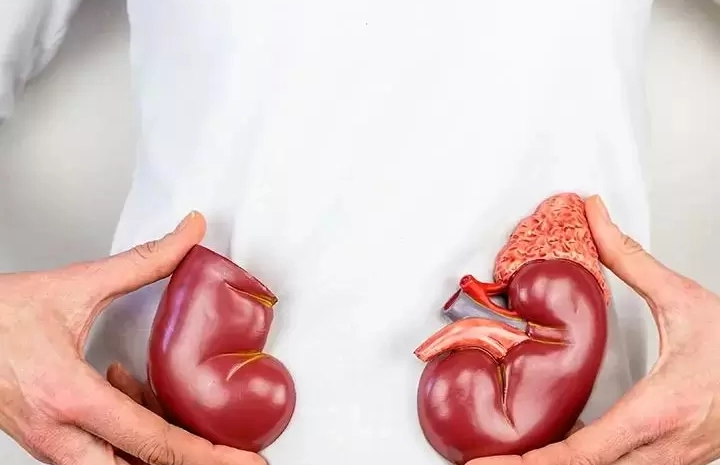
Snacking is becoming a cultural standard in our fast-paced modern life, not only a means of control for hunger between meals. Snacks are easily accessible and typically promoted as instant energy boosters or guilt-free indulgences from vending machines at work to convenience stores on every corner. Though these sweets could satisfy immediate needs, they can have negative effects on our kidneys in particular and compromise our health overall. Often disregarded when evaluating the effects of our diet are these essential organs, which filter waste and extra toxins from our blood. This article explores the link between frequent snacks and kidney health, looking at how some components could strain these vital organs and what substitutes might help them to operate as intended.
Appreciating Kidney Function and Its Significance
Just beneath the rib cage, on either side of the spine, the kidneys are two bean-shaped organs. They filter over 50 liters of blood per day, eliminating waste items, extra fluids, and electrolytes—which are then expelled as urine. Beyond filtration, kidneys are absolutely vital for controlling blood pressure, generating hormones that affect red blood cell creation, and preserving bone health by balancing calcium and phosphorous levels.
Given their several duties, preserving kidney health comes first. When kidneys are damaged, waste builds up in the body and causes a variety of health problems ranging from tiredness and edema to more severe problems including cardiovascular disease and bone abnormalities.
The Unseen Risk in Common Snacks
Although the occasional treat is unlikely to be harmful, regular eating of some snacks can compromise renal function. Many processed foods have harmful fats, phosphorous additions, and excessive sodium levels—all of which over time can tax renal performance.
Burden of Sodium
One well-known factor causing hypertension, or high blood pressure, which is a main cause of kidney illness, is a high sodium consumption. Chips, pretzels, and salted nuts among other processed snacks often have too much sodium. This can compromise renal blood vessels over time, therefore impairing their capacity for efficient filtration of blood.
Phosphorus Additives
Although phosphorus is a mineral vital for bone strength, too much of it—especially from inorganic sources found in processed foods—can be detrimental. Phosphorus additions abound in many treats, including certain baked products and drinks, improve taste and shelf life. Unlike natural phosphorus found in entire foods, these additions are more easily absorbed by the body, which raises blood phosphorus levels. High phosphorus can cause calcium to be taken from bones, weakening them and can cause vascular calcification, therefore raising the risk of heart disease.
Bad Fats and Sugars
Commonly present in baked products, fried snacks, and some packaged foods, trans fats and saturated fats can aggravate obesity and cardiovascular disease—two risk factors for renal disease. Furthermore a main cause of kidney impairment is insulin resistance and type 2 diabetes brought on by excessive sugar intake.
Case Study: Effects of Too-High Soda Consumption
One recent case underlined the risks associated with too high soda intake. Because of excessive oxalate levels, a chemical present in tea that can cause kidney stones and damage, a man who consumed 16 eight-ounce cups of iced black tea daily experienced renal failure. Likewise, sodas high in phosphoric acid have been connected to kidney stone development and lowered renal function.
Acknowledging Early Kidney Stress Signs
One should be alert about symptoms suggesting possible renal problems:
- Weary and less energy
- Challenge focusing
- inadequate appetite
- Problems sleeping; muscle cramps late at night
- Ank ankles and swollen feet
- Puffiness about the eyes, particularly in the morning
- dry, irritating skin
- Frequent urination—particularly at night
- See a doctor if you have any of these symptoms regularly.
Choosing Snacks Friendly for Kidneys
Changing to kidney-friendly snacks doesn’t entail giving up taste or satisfaction. Many options abound that are both tasty and good for renal health.
Vegetables and Fresh Fruit
Choosing fresh vegetables like apples, cherries, grapes, and carrots will supply vital minerals free of the extra sodium or phosphorus included in processed foods. These naturally low in sodium choices are abundant in fiber, which promotes digestion and general wellness.
Whole grains and low-sodium choices
One pleasant substitute for conventional snack foods is whole-grain crackers or rice cakes free of added sugar or salt. These choices give energy and fiber without adding too much sodium or phosphorus.
Made-from-hand Smoothies
One kidney-friendly drink choice is making smoothies with fresh fruit, unsweetened almond milk, and a few spinach leaves. Without the additional sugars seen in commercial beverages, these drinks can offer hydration and vital nutrients.
Alternatives from Low-fat Dairy
Without the heavy phosphorous concentration of ordinary dairy, unsweetened soy or almond yogurt can be a healthy source of protein. Fresh fruit will improve these substitutes by adding taste and nutrients.
Advice for Examining Snack Labels
When choosing snacks, take sure to closely review nutrition labels:
- Sodium: Try for snacks low in sodium—less than 140 mg per serving.
- Phosphorus: Steer clear of components like “phosphate” or “phosphoric acid.”
- Potassium: Watch carefully for snacks including high-potassium or potassium chloride ingredients.
- Sugar: Look for snacks with less added sugar; try to have fewer than five grams per serving.
Conclusion
Although eating is a regular and usually required activity in our everyday life, we need to make wise decisions to save our kidneys. Understanding the hidden risks in many common snacks and choosing better options can help us to support our renal function and general well-being. Every mouthful counts, hence even little modifications today can have major effects on your health going forward.