
Eyes are among the most delicate and important organs. They let us see in vibrant hues, recognize faces, and conduct everyday tasks. Regular eye care is neglected because many people think vision problems only affect older adults. Eye problems can affect children and adults regardless of age. For diagnosing, treating, and preventing eye diseases, see an ophthalmologist. Professional eye care can save vision, diagnose problems early, and improve quality of life.
Understanding Ophthalmologist Role
Many individuals confuse optometrists, opticians, and ophthalmologists. Optometrists correct eyesight and opticians fix glasses and contacts, while ophthalmologists do eye surgery, provide drugs, and treat complex eye illnesses. Ophthalmologists attend medical school, residency, and fellowships in retinal surgery, cornea care, and pediatric ophthalmology. This enhanced training helps them manage vision-threatening disorders. Ophthalmologists ensure overall eye health by providing preventive care, medical treatment, surgical procedures, and vision correction beyond glasses and contact lenses.
Common Eye Conditions Needing Expert Care
One of the most prevalent eyesight problems is cataracts. Cloudiness of the eye’s natural lens causes impaired vision and low-light vision. Trauma, medicine, and congenital causes can cause cataracts in younger people. Ophthalmologists can discover cataracts during routine checkups and recommend surgery. Cataract surgery usually restores vision.
Glaucoma, the “silent thief of sight,” develops slowly and may not cause vision loss until it is severe. This disorder destroys the optic nerve due to high intraocular pressure. Eye doctors utilize specialized testing to identify glaucoma early. Preventing persistent eyesight loss requires early diagnosis and treatment with drugs, lasers, or surgery.
The macula, which controls central vision, is affected by AMD. AMD can cause impaired vision, making reading and face recognition difficult. Retinal exams and imaging let ophthalmologists diagnose AMD early and offer lifestyle changes, nutritional supplements, or injectable drugs to delay disease development.
Diabetic retinopathy damages retinal blood vessels, causing vision loss if untreated. Ophthalmologists avoid serious issues via retinal examinations, laser treatments, and medication.
Glasses or contacts can correct myopia, hyperopia, and astigmatism. Ophthalmologists also do LASIK, PRK, and lens implants to reduce corrective lens use and improve quality of life.
Early Detection: Ophthalmologists Save Vision
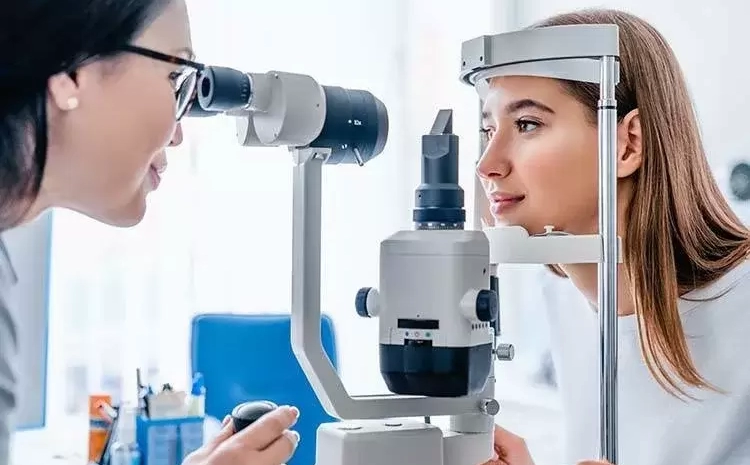
Prevention of major vision loss requires early identification. Ophthalmologists employ new diagnostic technologies and thorough exams to spot problems before they show. Ophthalmologists check visual acuity, retina, optic nerve, intraocular pressure, eye movement, and peripheral vision during a typical eye exam. Modern technology like optical coherence tomography, fundus cameras, and slit-lamp microscopes lets ophthalmologists identify minute eye changes. Glaucoma and diabetic retinopathy, which proceed silently, require proactive monitoring.
Child Vision Protection: Pediatric Eye Care
Children need specific eye care for vision development. Undiagnosed childhood eye impairments can impede learning, coordination, and development. Pediatric ophthalmologists can detect strabismus, amblyopia, and congenital cataracts. Vision impairment is prevented by early therapy, corrective lenses, or surgery. Parents should schedule eye tests for children at six months, three, before school, and occasionally thereafter. Healthy eyesight from expert pediatric eye care supports academic success and daily activities.
Prevention and Lifestyle Advice
To maintain optimal vision, ophthalmologists advise patients on preventive measures and lifestyle adjustments. Regular eye exams can discover silent diseases early. Eye health is supported by a balanced diet rich in vitamin A, lutein, and omega-3s. Avoid digital eye strain and dry eyes by limiting screen time. Sunglasses and safety glasses protect eyes from UV and physical damage. Manage diabetes and excessive blood pressure to lower eye disease risk. Patients can keep their vision for life with expert advice and preventive care.
Eye surgeries and advanced treatments
Ophthalmologists undertake surgeries to restore vision and treat significant eye disorders. LASIK and PRK fix refractive problems with lasers, whereas cataract surgery replaces the clouded lens with an artificial intraocular lens. Glaucoma surgeries lower intraocular pressure to protect optic nerves, and retinal surgeries correct retinal detachments or treat macular diseases. Transplants restore sight in injured corneas. Ophthalmologists are needed to preserve and restore vision due to these complex treatments.
The Emotional Impact of Expert Eye Care
Vision loss can impair independence, daily life, and mental health. Ophthalmologists’ immediate intervention improves vision, confidence, and life satisfaction. Early detection and treatment of eye problems lessen the emotional and psychological load of visual impairment, allowing patients live an active and full life.
Selecting an Ophthalmologist
Ophthalmologists must be qualified and experienced for effective eye treatment. Professional credentials, expertise, patient reviews, and advanced diagnostic and surgical technology are important. Good ophthalmologists communicate clearly, explain treatment alternatives, and keep patients informed and comfortable. Choosing the proper specialist ensures complete eye care and peace of mind.
Conclusion: Expert Vision Preservation
Ophthalmologists can save vision and avoid irreversible damage with their expertise. Sight preservation requires regular checkups, early eye disease identification, and timely medicinal or surgical therapies. From youngsters to the elderly, ophthalmologists treat visual issues before they become problematic.
Ophthalmologists can correct vision, treat complex eye illnesses, and advise on preventive care. Patients can protect their sight, clear their vision, and avoid serious problems by prioritizing eye health and obtaining professional care.