
Our bodies change significantly as we age, and one of the most underappreciated component of health after forty is bone strength. To remain strong, bones require constant stimulation, much as muscles do. Sadly, we start to lose bone density gradually after the age of thirty; this process speeds up in our 40s and beyond, particularly in women because of hormonal changes.
Bone loss is not therefore unavoidable or untreatable. Actually, mild, low-impact exercises are one of the best ways you could strengthen your skeletal system. Without overly taxing your body, these kinds of activities can boost joint mobility, balance, and bone regeneration. Whether you’re just starting out or already active, including the correct type of movement can greatly affect your long-term bone health.
Why Does Bone Health Become Crucially Important? After forty years.
Around age 30, bone density peaks; beyond that, the body naturally starts to reabsorb calcium and other minerals from bones more quickly than it can replace them. Bones start to weaken and become more delicate as result. After 40 especially for individuals with a sedentary lifestyle or bad diet, the risk of fractures, joint issues, and even osteoporosis rises dramatically.
Hormonal changes—especially in women approaching menopause—can potentially hasten bone loss. In bone preservation, oestrogen acts as a protective agent; its drop usually results in more quick degradation. Men are not immune, either though. Men’s age-related testosterone drop can also help to produce weaker bones.
The good news is that regular, conscious activity can help to offset a lot of this loss. While running or heavy lifting may be great for some, not everyone can or should engage in such activities routinely after 40. That’s where light exercises find use.
Walking: a basic but effective bone booster
Though it’s sometimes underappreciated, walking is among the most practical and efficient weight-bearing exercise available. Walking forces your legs, hips, and spine to stimulate bone tissue by opposing gravity. While enhancing circulation and joint mobility, this slows down bone density loss.
Consistentness is the secret. Excellent basis for bone health is a brisk walk for thirty minutes a day, at least five days a week. Adding different terrain or walking uphill will boost the advantages. Even little walks taken throughout the day can have a cumulative good impact on bones for those who are recuperating from an accident or new to fitness.
Yoga for Strength, Balance, and Flexibility
Yoga is a great way to gently strengthen bones and correct posture in addition to being a means of relaxation or stress release. Many yoga poses call for maintaining your body weight in particular positions that target the wrists, hips, and spine—all common locations of fractures in those with low bone density.
Furthermore, yoga improves coordination and balance—two important elements in fall prevention. It also increases joint flexibility and works the muscles surrounding your bones, therefore enhancing their support. Starting with a beginners’ class or watching a guided video with adjustments will help you gently enter the practice if you are new to yoga.
Pilates: Foundation Stability and Bone Support
Another low-impact but powerful training technique emphasizing regulated motions and strong core involvement is Pilates Originally designed for injury recovery, Pilates is particularly effective for those over forty seeking to strengthen and protect their bones without overdoing them.
It supports the little stabilizing muscles sometimes overlooked in conventional workouts and helps improve posture—which is essential for spinal health. Regular Pilates practice can also help you become more aware of your body mechanics, therefore lowering the chance of unexpected movements or misalignment that might result in injury.
Strength Work Using Light Weights
Many believe that athletes or bodybuilders alone should engage in strength training. Actually, keeping bone health as you age depends critically on it. Even light ones, lifting weights provide the required resistance to activate osteoblasts, or bone-forming cells.
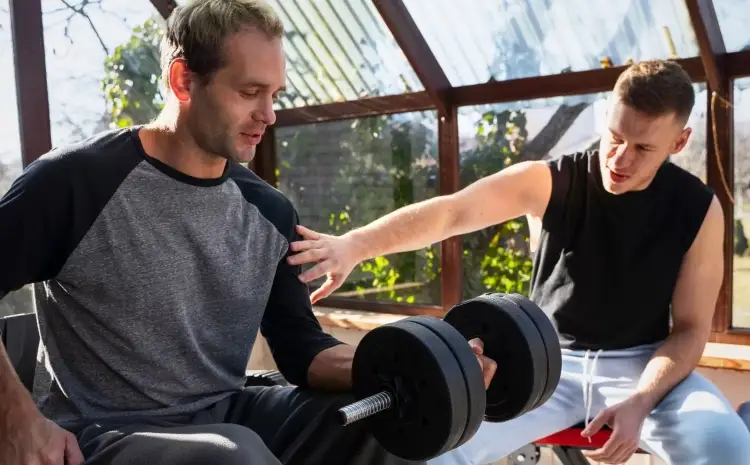
You start without costly equipment or a gym membership. Quite powerful are bodyweight exercises include wall push-ups, lunges, and squats. Including light dumbbells or resistance bands can help you safely increase impact as you gain strength and confidence. The objective is not to lift heavy but rather to regularly apply regulated resistance to important muscle groups supporting your bones.
For joint-friendly conditioning, swimming and water aerobics
For those who need a low-impact option due to joint pain, arthritis, or past injuries, water-based workouts are great even if they are not strictly weight-bearing. Without aggravating the joints, swimming and water aerobics offer mild resistance that builds muscles and increases cardiovascular fitness.
While walking or weight training directly increase bone density, water exercise is a useful supporting tool in keeping you active and mobile. While the resistance helps keep muscle tone, which indirectly improves bone stability, the buoyancy of water lowers the chance of falls.
Tai Chi: elegant motions meant for strong bones
Combining slow, methodical motions with deep breathing and mental attention, tai chi is a classic Chinese martial art Often referred to as “meditation in motion,” its mild approach and health advantages appeal especially to senior folks.
Practicing Tai Chi has been found in studies to increase lower body bone density, improve balance, and lessen fall risk. The gentle transitions assist build joint control, coordination, and leg strength—all vital for bone health—while the exercises are done standing, therefore making this a weight-bearing workout.
Stretching and Mobility Training
Both bad posture and uneven movement patterns resulting from stiff muscles and limited joints can strain your bones greatly. Regular mobility exercises and stretching help to maintain the body in alignment and flexibility. After 40 especially, this is crucial since connective tissues gradually lose elasticity with age.
Including light stretching in your daily regimen—especially following exercise—can help to support general skeletal alignment and help to lower tension. Keeping your body in sync and avoiding the kind of imbalances that might cause damage or bone stress over time might benefit from foam rolling, dynamic stretches, and even mild mobility flows.
Make It a Routine, Not a Resolution.
Consistency is the key element of any bone-supportive exercise program. Over time, doing the correct exercises a few times a week is considerably more effective than a rigorous program dropped after a month. Design a sustainable schedule with variation, rest days, and changes depending on your body type.
You really must pay attention to your body. Not something to fight through, pain is a signal. If something feels wrong, it’s worth changing the movement or seeing a physical therapist who can help you on appropriate form and safe development.
Remember also the part nutrition and sunlight play.
Although exercise is essential, good bone health also depends on proper nutrition. Two most important actors are vitamin D and calcium. Your bones are made structurally from calcium, which your body absorbs with support from vitamin D. Your daily requirements for both may rise beyond 40, hence pay special attention to food and supplements as needed.
The finest natural source of vitamin D is sunlight, hence spending some time outside—while walking, stretching, or doing yoga—can be a two-fold benefit for your bones. Foods high in nutrients also include leafy greens, almonds, tofu, sardines, and fortified goods.
Last Thoughts
Keeping strong, healthy bones after 40 merely requires persistence, knowledge, and a dedication to exercise that honors your body’s changing needs—extreme workouts or radical adjustments are not necessary. Bone mass can be greatly preserved, balance can be improved, and injury prevention can be achieved with moderate exercise including walking, yoga, Pilates, light weight training, and Tai Chi.
You increase your best chances of aging with strength, elegance, and independence by including these workouts into your weekly program and supporting them with a balanced diet and active lifestyle. Starting your bone care is never too late; your future self will thank you.