
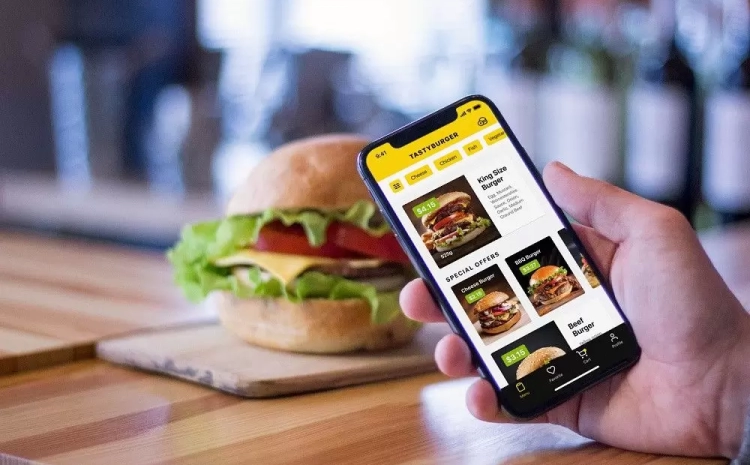
Recent advances in internet food delivery have changed our eating habits. Busy professionals and students use food delivery apps to save time and avoid cooking. Online meal ordering is convenient, but it can harm health, finances, and lifestyle. Dieticians warn that regular delivery can impair nutrition and long-term health. Thinking like a dietitian can help people make better decisions while still enjoying online meals.
The Rise of Online Food Delivery
Online meal delivery has grown exponentially due to busy lifestyles, urbanization, and culinary apps. Phone users may now order from several restaurants at any time with a few touches. Young workers, college students, and multitasking families like this convenience. The convenience of restaurant-quality meals delivered in minutes has made home cooking seem redundant.
Food delivery is a monument to modern technology and lifestyle convenience, but dieticians warn that overuse can have health risks. They stress balance, variety, and mindful eating for long-term health.
Constant Food Ordering Nutritional Issues
Nutrition is a major issue for dieticians about frequent food delivery. Delivered food has few fiber and critical nutrients and lots of calories, saturated fats, processed sugars, and sodium. Delicious, quick meals may be planned for flavor rather than health, causing weight gain, digestive difficulties, and nutritional imbalance.
These meals might make it hard to eat enough veggies, fruits, whole grains, and lean proteins, say dieticians. Hidden sugars in sauces, dressings, and beverages in many online meals can cause energy spikes and crashes. Without careful selection, a diet of delivered meals can harm physical and mental health.
Overeating, Portion Sizes
Another issue dieticians mention is portion control. Restaurants, particularly online orders, often serve bigger servings than needed. Overeating can become a habit when meals are portioned for pleasure rather than nourishment. Overeating, even infrequently, causes weight gain and increases the risk of diabetes, hypertension, and heart disease.
Dieticians advise internet food shoppers to watch portion proportions. Determine calorie needs and regulate consumption to avoid overeating. Sharing a dish, conserving half, or ordering a delivery with fresh salad or vegetables might help maintain a balanced diet.
Secret Sugars and Fats
Dieticians warn that food delivery meals may contain hidden carbohydrates and fats. Sweet drinks, desserts, creamy sauces, and fried foods may taste good, but they might harm blood sugar, cholesterol, and metabolic health. Such meals can cause insulin resistance, weight gain, and cardiovascular disease if eaten frequently.
In contrast, home-cooked meals allow for ingredient, cooking, and portion control. Dieticians advise people to replace hidden sugars and fats with healthy, tasty alternatives. Choosing grilled proteins over fried ones or ordering sauces on the side can cut calories and sugar.
Health/Convenience Trade-Off
The convenience of internet food delivery often compromises health. Although it saves time and labor, dieticians advise against using it as a primary nutrition source. The convenience-health trade-off is slight but considerable. Restaurant food can replace nutrient-dense home-cooked cuisine, depleting vitamins, minerals, and fiber. These shortages can impair energy, immunity, digestion, and mood over time.
Dieticians recommend strategic food delivery over habitual. Sometimes ordering as a treat is good, but daily use should be limited. Balance convenience with careful preparation to choose health over speed and ease.
Emotional and mental aspects
Frequent meal delivery might also damage mental health. Dieticians say eating habits are linked to lifestyle, rituals, and social interaction, not just nutrition. Cooking can be calming and creative, but ordering food might diminish engagement. Dependence on convenience may make it hard to switch to healthier eating habits.
Online food can also alter mood and cognition. Foods high in refined carbs and harmful fats may satisfy but induce energy dips, irritation, and concentration problems. Dieticians recommend mindful eating, where people focus on meal quality, variety, and satisfaction, for physical and emotional health.
Dietician Tips
For online food shoppers, dieticians offer realistic advice. Read menus carefully to make educated decisions. Ordering dressings or sauces on the side, choosing grilled, steamed, or baked meals over fried ones, and eating vegetables at every meal are simple strategies to boost nutrition.
Even minimal meal planning and preparation at home is encouraged by dieticians. Preparing a few quick meals, having ready-to-eat fruits and vegetables, and having nutritious snacks helps lessen delivery frequency. Learning how to quickly create a balanced meal with limited time can combine convenience and health.
Another suggestion is to mix extravagance with home-cooked meals. Ordering lunch delivery with a home-cooked, nutrient-rich dinner can ensure appropriate nutrition. To avoid overeating and sustain energy, portion management, hydration, and mindful eating are stressed.
Long-term effects
Dieticians warn that meal delivery can harm health over time. Continuous exposure to high-calorie, low-nutrient meals increases obesity, metabolic syndrome, and cardiovascular disease risk. Family members who order food online may share behaviors, harming their development.
These dangers can be reduced with dietician advice. Long-term health can be protected by choosing better options, incorporating nutrient-rich products, and balancing convenience and handmade meals. Dieticians emphasize nutrition education to empower people to adopt sustainable, lifestyle-friendly decisions.
Understanding Restaurant Menus
A dietitian stresses restaurant menu comprehension. Selecting healthful online meals can make a big impact. Avoiding processed foods and eating lean meats, whole grains, and vegetables helps keep you healthy and satisfied. Dieticians help people find nutrient-dense foods, read labels, and modify portions to meet their needs.
Requesting brown rice instead of white, grilled chicken instead of fried, or extra veggies can boost a meal’s nutrition without sacrificing pleasure. Even tiny modifications made with a dietician’s help can last.
Convenience and Nutrition
Dieticians recommend a combination of convenience and nutrition. Making informed choices lets you enjoy online meal delivery without sacrificing health. Preparing essentials at home, selecting balanced selections, and being careful of portion sizes can help you eat healthy online. Convenience should be balanced with conscientious nutrition.
Practical Examples
Imagine an average internet supper. A nutritionist may recommend a grilled chicken sandwich with a salad instead of a fried burger and fries. Instead of sweet pastries, oatmeal with fruit and nuts delivers fiber, protein, and vitamins for breakfast. Choose fruit bowls or yogurt-based desserts instead of sugary ones. Small, practical changes can make food delivery convenient and healthy.
Dieticians and Habit Formation
Dieticians assist people form lasting habits as well as advise on meals. Online food ordering becomes a habit due to convenience, time, or worry. Dieticians help clients overcome these tendencies by encouraging home cooking, gradual changes, and methods for healthy eating in busy situations. Energy, weight, and health can improve considerably with these improvements.
Conclusion
Modern life is made easier by online meal delivery, but it has nutritional, physical, and emotional consequences. Dieticians reveal the hidden hazards of frequent ordering and offer practical advice to combine convenience and health. Dieticians help people maintain optimal nutrition by comprehending menu alternatives, managing portion sizes, decreasing hidden sugars and bad fats, preparing quick home meals, and forming lasting habits.
People can enjoy meal delivery without compromising their health by making informed decisions and eating mindfully. The dietician’s stance emphasizes that convenience should not supersede good nutrition. Even frequent internet orderers can have balanced, tasty, and healthy meals daily with their help.