
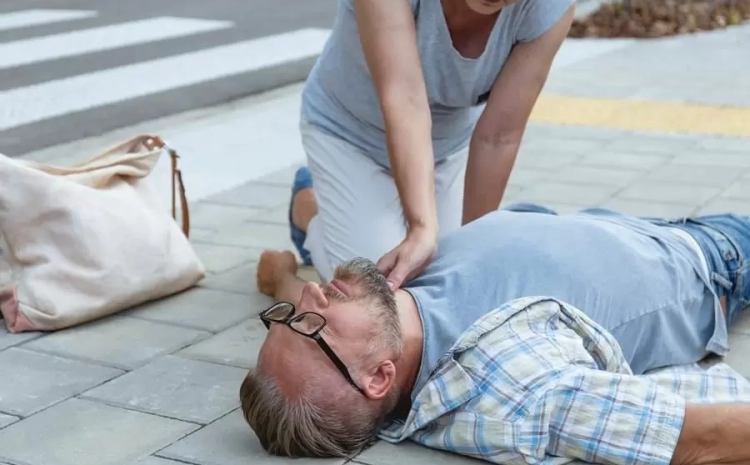
One of the most serious medical crises is cardiac arrest, which can happen unexpectedly. Family members’ rapid response to a cardiac arrest at home can decide the result. How soon someone realizes and acts is crucial to survival. Preparing your family for this unusual but life-threatening incident can help your loved one survive until professional aid comes.
Understanding Cardiac Arrest
When the heart stops pumping, blood stops flowing to the brain and other organs, causing cardiac arrest. This causes instantaneous loss of consciousness and respiration, and death is likely unless emergency measures are implemented within minutes. Cardiac arrest can happen to anyone, but it’s particularly common in people with heart issues, the elderly, and risk factors like high blood pressure, diabetes, obesity, or heart disease. Sometimes genetic disorders, acute trauma, or sudden heart rhythm disruptions can cause it in persons without heart problems.
Why Immediate Home Action Matters
Most cardiac arrests in most nations occur outside hospitals, often at home. This means family members are often the first and only responders. Brain damage can start within four to six minutes of the heart stopping, and every minute without resuscitation diminishes survival odds. In densely populated or rural places, emergency medical assistance may take several minutes. Actions in the first few minutes can literally save or kill.
Knowing Cardiac Arrest Signs
Your family must recognize cardiac arrest to respond correctly. A cardiac arrest victim collapses, becomes unresponsive, and stops breathing or breathes irregularly. The absence of a pulse is a vital symptom, although unskilled people may have trouble checking it. Instead, consider unresponsiveness and irregular or absent breathing emergency signs. Cardiac arrest often occurs without warning signals such chest discomfort, shortness of breath, dizziness, or palpitations.
Prepare Your Family to Respond
Educational preparation begins. Every responsible adult and teen in the family should know what to do if someone collapses and stops breathing. CPR is a vital skill that can be learnt in community programs, clinics, or online. Regular practice gives family members confidence in their pressure-handling skills. In addition to CPR, the family should learn how to use an automated external defibrillator (AED), which delivers an electric shock to restart the heart.
AED Purchase for Home Use
An AED at home is important for families with a high cardiac arrest risk. Affordable, user-friendly AEDs with clear audio instructions assist users through emergencies are becoming more popular. Families with a loved one with serious heart disease, cardiac arrest, or a high-risk medical condition may benefit from having an AED on hand. Checking with your doctor about whether your home needs an AED might help you prepare.
Emergency Action Plan Creation
Every household should have a cardiac arrest strategy. The plan should specify who will call 911, start CPR, and retrieve the AED if accessible. All family members should know the home’s address and how to provide emergency responders precise directions. Fire drills and practice drills can help everyone understand their responsibilities and act promptly and calmly in an emergency. Posting simple guidelines near phones or in a shared location helps remind.
Emotional Preparedness
Even well-prepared people can worry at the suddenness of cardiac arrest. Therefore, families should discuss the possibilities and practice what to do in a calm, supportive environment. This kind of preparation can lessen real-life dread and hesitancy. Kids and teens who see a family member collapse should know that shouting for help or informing an adult is necessary and useful.
Managing Home Risks
Families should prevent cardiac arrest in addition to emergency response. Healthy lifestyles must be promoted at home. This includes encouraging good nutrition, exercise, stress management, and smoking avoidance. If a family member has high blood pressure, diabetes, or cholesterol, they must follow their meds and have regular checkups. Patients with heart disease should follow doctor instructions on food, exercise, and medications to lower the risk of future cardiac episodes.
Identification of High-Risk Individuals
Families should know if a family member has cardiac arrest risk factors. This could include patients with congestive heart failure, arrhythmias, heart attack, or genetic heart rhythm disorders. These patients may need implantable devices to detect and correct irregular rhythms or medication to treat underlying disorders. Knowing these dangers helps the family keep watchful and prepared for emergencies.
Regular Health Checks
Routine health monitoring can reassure and safeguard cardiac arrest-prone families. Home monitoring of blood pressure, heart rate, blood sugar, and other health indicators can uncover issues that raise cardiac event risk. Family members should also support regular medical appointments, screenings, and doctor-recommended follow-up care. Sharing health responsibilities strengthens family bonding and reduces needless emergencies.
Recovery after Cardiac Arrest at Home
If a family member survives a home cardiac arrest, the road continues. Recovery might be difficult and need physical therapy, cardiac rehabilitation, lifestyle adjustments, and emotional support. Family members may be stressed from watching and caring for survivors, who may worry about their health and recurrence. Family healing after trauma can be achieved via open conversation, shared coping mechanisms, and professional support.
Community Resources Matter
Community resources can help families prepare at home. Hospitals, clinics, and non-profits may offer free or low-cost CPR and first aid training. Some localities loan or subsidize AEDs for high-risk homes. These resources increase a family’s preparedness and raise neighborhood awareness, perhaps saving lives.
Promote Readiness Culture
A family culture of readiness doesn’t have to be difficult or intimidating. Planning and preparing with the whole family guarantees everyone can help. Family members might perceive readiness as a method to protect one other by framing it as love and responsibility. Learning CPR together or discussing how to call 911 can empower everyone and boost emergency response confidence. This readiness becomes part of family life and ensures their readiness to act if the unexpected happens.
Conclusion
Family members respond to abrupt, life-threatening cardiac arrest at home. Families can improve survival rates by recognizing indicators, creating an action plan, practicing CPR, considering an AED, and reducing risk factors. Preparation equips family members with the knowledge and confidence to act quickly and effectively when it matters. Thus, families protect their loved ones and create a safer, healthier home for everyone.