Many people struggle to navigate at night, especially if their vision is impaired. Nyctalopia, or night vision impairments, can range from slight trouble seeing in dim light to severe impairment that makes nighttime activities risky. While occasional darkness adjustment concerns are typical, persistent or worsening issues require professional treatment. An eye specialist can detect night vision problems and give appropriate solutions to improve vision and eye health.
Understanding Night Vision Issues
Eyes that struggle to adjust to low light cause night vision issues. This can cause nighttime driving issues, trouble seeing faces in dimly lit locations, and increased headlight glare sensitivity. Retinal rods detect light and movement at night. Any retina, cornea, or optic nerve problem can impair night vision. Night vision problems may suggest eye or systemic health issues, therefore diagnosing the cause is crucial.
Night vision issues’ common causes
Several causes can impair night vision. Refractive faults like nearsightedness or astigmatism can make low-light focusing difficult, especially if your eyeglass prescription is outdated. Night vision is severely impaired by cataracts, which cloud the eye’s natural lens and scatter light. Retinitis pigmentosa and age-related macular degeneration weaken night vision rods, making dim situations harder to see. Vitamin A deficiency can also impair retinal light response. Diabetes can also damage retinal blood vessels and impair night vision. Eye damage, drugs, and prolonged screen exposure might worsen these issues.
Eye Specialists Diagnose Night Vision Issues
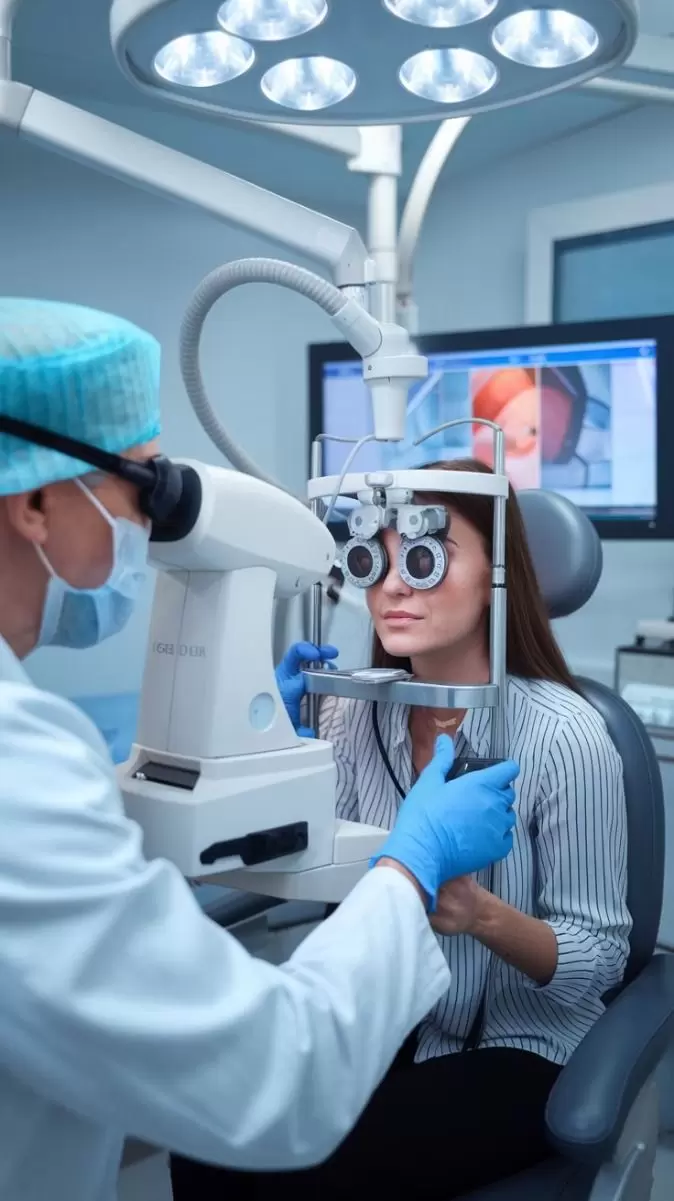
A medical history and thorough eye exam are performed by an eye specialist for persistent night vision issues. Visual acuity exams evaluate vision in different lighting conditions. A dilated eye exam lets the specialist check the retina, optic nerve, and blood vessels to detect retinitis pigmentosa, diabetic retinopathy, and early macular degeneration. OCT and retinal photography provide detailed retinal health information. Other tests like electroretinography may assess how the retina responds to light. Finding the cause of night vision issues is essential to treating them.
Treatment Options from an Eye Specialist
Treatment for night vision issues varies on the reason. Updating glasses or contact lenses can enhance low-light vision if refractive faults are involved. Patients with lens clouding and poor night vision benefit greatly from cataract surgery. Medication, laser therapy, or specialist interventions can delay retinal disease progression and maintain vision. Retinal function can be supported by nutrition, particularly vitamin A supplementation for deficits. Eye doctors may suggest lifestyle changes including better house illumination, glare-reducing lenses, or nighttime driving adaptations. Coordination with other healthcare providers offers complete vision care for systemic disorders.
When to get help
Night vision problems should never be overlooked. If eye issues progress, delaying evaluation could cause permanent visual loss. If you experience regular headlight glare, trouble navigating dimly lit areas, or unexpected night vision changes, see an eye doctor. Intervention improves safety, quality of life, and eye health with early diagnosis.
Protection for Night Vision
An eye specialist can advise on night vision prevention even for people without issues. Regular eye exams catch night vision difficulties early. Protecting the eyes from UV radiation, eating a diet rich in leafy greens and omega-3 fatty acids, and controlling chronic illnesses like diabetes help protect night vision. Limiting screen usage and using suitable illumination during evening activities can minimize strain and improve low-light visual function.
Conclusion
Driving at night and navigating dim areas can be difficult with night vision impairments. Persistent or worsening low-light vision impairments should be seen by an eye doctor. An eye expert can diagnose and treat night vision issues to improve visual performance and quality of life. Regular examinations, preventive measures, and appropriate intervention keep night vision clear and functional, keeping people secure and confident in all lighting circumstances.