Many individuals neglect eye care until issues emerge, but healthy eyesight is crucial throughout life. Our eyes change from childhood to old age, affecting how we see. Ophthalmologists stress the importance of proactive eye care to avoid disease, retain vision, and maintain health.
Understanding eye health issues, adopting healthy practices, and seeing a doctor regularly are all part of eye health.
Eye professionals offer lifetime eyesight protection tips in this article.
Infancy and Early Childhood Vision Care
From birth to five, infants develop visually quickly. Eye experts recommend early eye tests to detect congenital disorders, refractive problems, and developmental concerns. Early detection of strabismus, amblyopia, and congenital cataracts can improve treatment.
Pediatric eye exams evaluate vision, alignment, and retinal health. Eye doctors advise on diet, safety, and screen usage. Healthy childhood practices and appropriate interventions set the stage for lifelong visual health.
Eye Health in School
As kids enter school, visual needs grow. Without effective focus management, reading, writing, and digital learning can strain the eyes. Regular eye exams before school and throughout childhood are advised by eye doctors.
To succeed academically, corrective glasses should be changed often. Eye doctors also recommend minimizing screen time, increasing outside play, and teaching youngsters optimal lighting and posture. These treatments reduce eye strain and improve vision.
Teen Vision Care: Digital Device Navigation
Due to their increased digital device use, teens can develop eye strain and dry eyes. Eye doctors recommend balancing screen time with outdoor activity and breaks. Consider staring at an object 20 feet away every 20 minutes for 20 seconds to reduce digital eye fatigue.
Refractive defects like myopia can progress quickly in adolescence. Eye doctors may propose corrective lenses, orthokeratology, or myopia control based on these changes. Teens’ eye care education, including nutrition and UV protection, supports healthy vision into adulthood.
Young Adult Vision Maintenance
Work, study, and lifestyle choices demand a lot of vision in young adults. To discover abnormalities early, eye professionals recommend complete eye exams every one to two years. Screen ergonomics, illumination, and breaks while close jobs are healthy visual practices.
Protective eyewear during sports and work and UV protection with sunglasses are other preventive measures. Eye doctors suggest maintaining overall health because diabetes and excessive blood pressure can affect vision in young adults. A proactive attitude prevents minor difficulties from becoming major ones.
Midlife Vision Care: Early Change Screening
Many adults develop presbyopia, a normal loss in near vision, about 40. Eye professionals urge regular exams to renew prescriptions and assess eye health. Glaucoma, macular degeneration, and cataracts may appear in midlife.
Comprehensive eye exams provide early intervention and prevention. Nutrition rich in antioxidants, omega-3 fatty acids, and vitamins for eye health is regularly advised by eye professionals. Diabetes and hypertension management are also important for vision.
Maintaining Vision in Older Age
Age raises eye disease risk. Eye doctors recommend annual comprehensive screenings for those over 60 to detect glaucoma, AMD, cataracts, and diabetic eye disease. Vision and quality of life depend on early diagnosis.
Advanced and minimally invasive treatments are available for seniors. Cataract surgery with superior intraocular lenses, glaucoma laser treatments, and AMD retinal therapies restore vision. To keep eyes healthy, eye doctors prescribe balanced eating, frequent exercise, smoking cessation, and UV protection.
Eye Health and Nutrition for All Ages
Eye doctors stress the importance of nutrition for vision. Lutein, zeaxanthin, vitamin C, vitamin E, and omega-3 fatty acids are found in leafy greens, colorful vegetables, fruits, nuts, and fatty fish.
These nutrients minimize oxidative stress, support retinal function, and may lower the incidence of macular degeneration and cataracts. If nutrition is inadequate, eye experts typically recommend supplements, especially for older persons at risk of nutrient deficiencies.
Manage Digital Eye Strain
Digital eye strain is a global issue owing to computer, smartphone, and tablet use. Eye specialists help with dryness, impaired vision, headaches, and fatigue.
Adjust screen brightness, use anti-glare filters, maintain a correct viewing distance, and blink often to keep eyes moist. Taking breaks and exercising eye muscles helps reduce fatigue and safeguard eyesight. Uncorrected refractive problems and dry eye disease can aggravate strain, thus eye experts check for them.
Safety and Eye Protection
Eye protection is necessary for all ages. Eye doctors recommend UV-protected sunglasses, safety goggles for sports and dangerous work, and protective eyewear during risky activities. Vision loss can be prevented by taking efforts to protect toddlers and adults from trauma.
Eye professionals also advocate good contact lens maintenance, avoiding hazardous substances, and treating allergies that cause eye irritation. Acute and chronic injuries are reduced by consistent protection.
Regular eye exams ensure lifelong vision
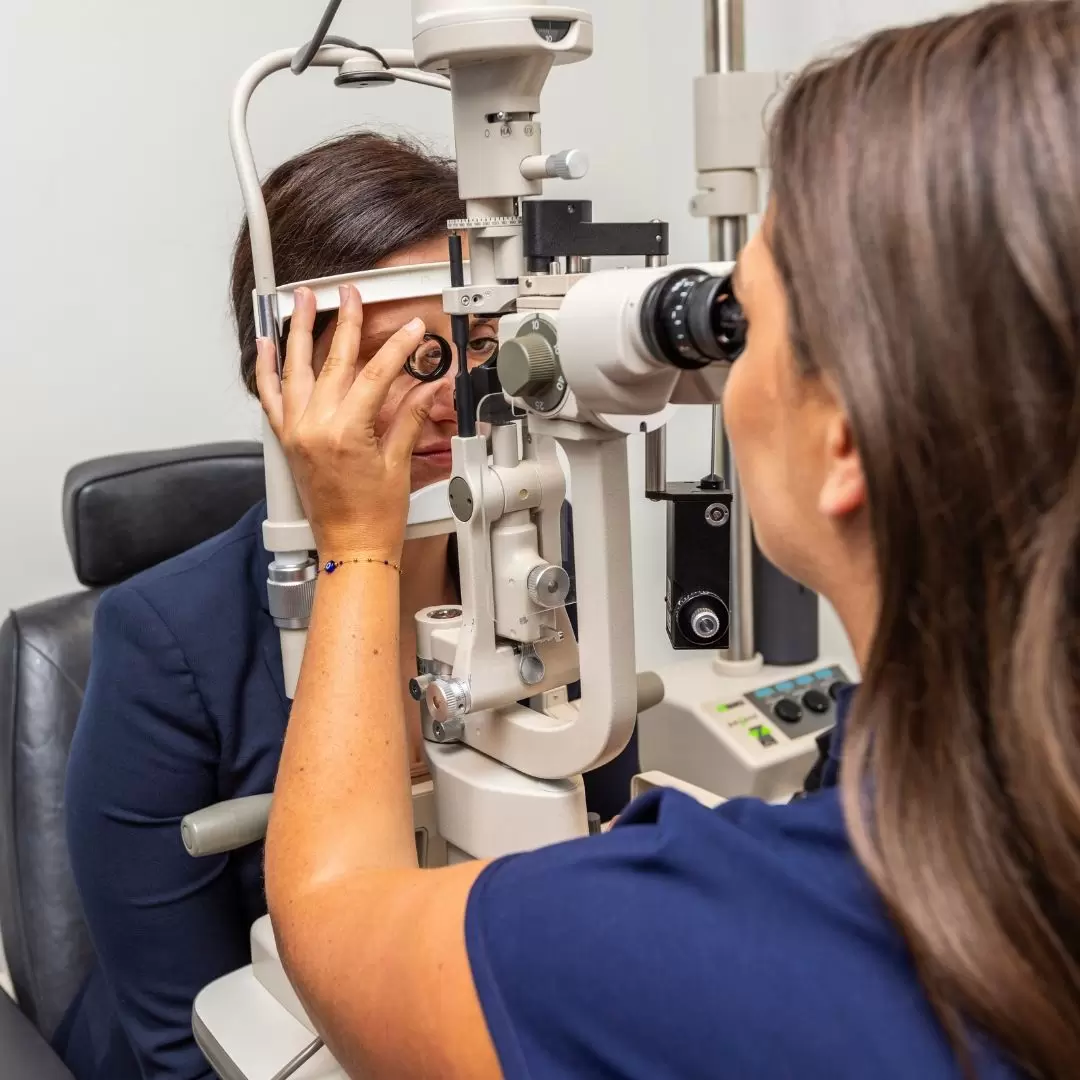
Eye doctors emphasize that frequent eye exams are essential for good vision. Exams discover hidden eye disorders, monitor chronic diseases, and intervene quickly when changes arise.
Patients of all ages should get regular eye exams. Age-appropriate screenings enhance long-term eye health in children, teens, young adults, middle-aged adults, and older persons. Specialists can teach patients about prevention, lifestyle changes, and therapy during comprehensive assessments.
Chronic Disease Management for Eye Health
Diabetes, hypertension, and autoimmune diseases can harm eyes. Eye specialists collaborate with patients and other doctors to treat these diseases.
Diabetes can induce diabetic retinopathy, a primary cause of blindness if ignored. Eye specialists monitor retinal health and prevent vision loss with laser therapy or injections. Therefore, systemic health is essential for healthy vision at every age.
Lifestyle Advice from Eye Specialists
Vision care should involve frequent examinations, nutrition, eye protection, exercise, and good habits, according to eye doctors. Hydrating, taking screen breaks, exercising excellent posture, and not smoking are all important for eye health.
Regular exercise enhances circulation and ocular blood flow. Eye doctors recommend keeping a healthy weight because obesity increases the risk of diabetes and other vision problems. Lifestyle choices help reduce age-related vision loss and improve health.
Finally: Lifelong Vision Care
Healthy vision is possible at any age with proper care, habits, and professional assistance. Eye doctors offer useful information on eye health, detection, and age-related changes. Their expertise keeps vision clean and functional from pediatric checkups to elderly eye care.
People can prevent visual disorders, diagnose them early, and maintain eye health by following expert advice on nutrition, eye checkups, and lifestyle changes. Prioritizing eye care today helps people see clearly, live freely, and enjoy life at every stage.
To retain vision, protect quality of life, and embrace a future with healthy, clear sight, eye health and partnership with a trustworthy eye doctor are essential.