
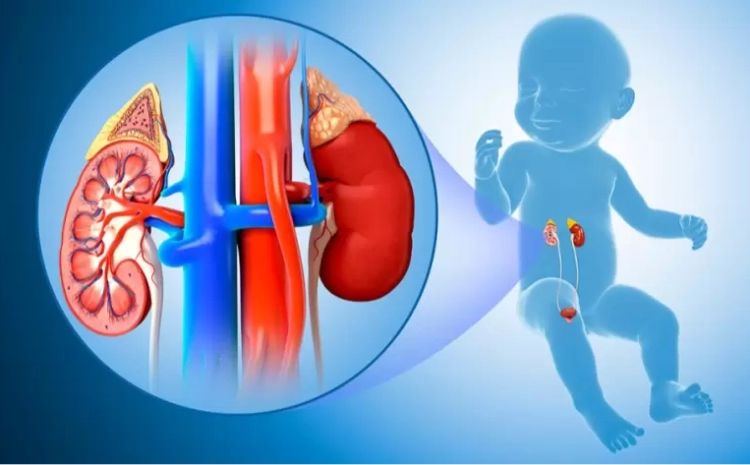
Urology is often associated with adults, notably males with kidney stones, UTIs, or prostate difficulties. Urological issues can also affect youngsters, requiring particular care. Pediatric urology treats urine and genital disorders in babies to teens. Due to a child’s developing body, these disorders are distinct from adult urological issues and require immediate treatment to avoid long-term repercussions. Recurring urinary troubles, wetting accidents, or discomfort can overwhelm parents, but recognizing these challenges and knowing there are remedies can make a big difference.
This article will discuss the most prevalent pediatric urological diseases, their causes, how they present in children, and the treatment choices that can improve comfort and health. By raising awareness, parents can spot warning signs and consult a pediatric urologist quickly.
Knowing Pediatric Urology
Pediatric urology diagnoses, treats, and manages urinary and genital problems in children. Children may not be able to express their pain or feelings like adults. Frequent urination, accidents during toilet training, or genital puffiness may alert parents. Pediatric urologists are educated to address delicate disorders in children and advise parents through medical and emotional care.
The focus on growth and development distinguishes pediatric urology from adult care. Untreated conditions that don’t affect adults can significantly impact children’s growth. Chronic urinary tract infections in childhood can harm kidneys, while undescended testicles can affect adult fertility. Early diagnosis and treatment are crucial.
Children’s UTIs
UTIs are common in pediatric urology. Bacteria enter the urinary system through the urethra and infect the bladder or kidneys. Child UTIs are frequent, but they may indicate anatomical issues such vesicoureteral reflux (VUR), where urine runs backward from the bladder into the kidneys, making them more problematic than in adults.
UTIs in newborns and young children may cause fever, irritability, poor feeding, or vomiting instead of burning. Older children may have frequent urination, urinary pain, or belly pain. Untreated UTIs can cause kidney infections and damage.
Pediatric urologists treat infections with antibiotics and research the reason. Imaging can detect structural problems. Encourage fluids, promote hygiene, and use low-dose antibiotics to prevent recurrence. Parents of children with recurring infections should seek medical care immediately.
Bedwetting, Daytime Accidents
Bedwetting (nocturnal enuresis) is another pediatric urology concern. When their child still wets the bed after most kids are potty trained, parents worry. Bedwetting beyond five or six may need assessment, but occasional accidents are usual.
Bedwetting can be caused by delayed bladder development, deep sleep, or genetics. Bedwetting is frequently not the child’s fault, and punishment can lower self-esteem. Pediatric urologists determine if the problem is a functional bladder dysfunction, hormonal imbalance (such as poor evening urine production antidiuretic hormone), or medical illness.
Daytime accidents may suggest bladder trouble, constipation, or neurological difficulties. Both disorders may be treated with behavioral techniques, bladder training, moisture alarms, medication, or constipation. Time and proper control usually improve children.
VUR: viscoureteral reflux
Venicoureteral reflux occurs when urine travels backward from the bladder into the ureters and kidneys. If untreated, backward flow can cause kidney damage and recurring urinary tract infections. Multiple UTIs in children often indicate VUR.
Depending on urine flow, VUR can be mild or severe. Mild cases usually go away as the kid develops, but severe cases may require medication or surgery. A voiding cystourethrogram (VCUG) is typically recommended by pediatric urologists to identify VUR.
Antibiotics and renal function monitoring prevent infections. If reflux persists, ureteral reimplantation may be explored. VUR youngsters can avoid renal disease with good therapy.
Undescended Testes
Boys with undescended testicles, or cryptorchidism, have a prominent pediatric urology issue. The testicles normally descend from the abdomen into the scrotum before birth. In some newborn boys, both testicles remain undescended. Both premature and full-term babies can have this disease.
Medical intervention may be needed if the testicles do not descend naturally in the first several months. Undescended testicles can impact fertility later in life and raise testicular cancer risk if ignored.
Orchiopexy, a simple operation, moves and secures the testicle in the scrotum. For maximum outcomes, the surgery is recommended between six and twelve months. Early treatment boosts fertility and lowers cancer risks.
Genital abnormalities like hypospadias
Hypospadias is a congenital disorder in boys where the urethra opens under the penis. The disorder can affect urine and sexual function, depending on severity. Parents may detect irregular pee flow or penis descent.
Hypospadias is treated surgically in the first two years of life. Pediatric urologists perform these delicate treatments to restore function and attractiveness. Pediatric urology also treats congenital anomalies including epispadias and ambiguous genitalia, which often require surgery and family support.
Kidney and Bladder Stones in Kids
Kidney and bladder stones are more prevalent in adults, although children can have them. Genetics, urinary tract anomalies, and diet can cause pediatric kidney stones. Abdominal pain, blood in the urine, and frequent infections are symptoms.
Depending on stone size and placement, ultrasonography or other imaging is used to diagnose and treat. Larger stones may require minimally invasive techniques like ureteroscopy or shockwave lithotripsy, although little stones may pass with fluid intake. Pediatric urologists detect metabolic or nutritional abnormalities that cause stone formation to prevent recurrence.
Child Neurogenic Bladder
Spina bifida and spinal cord damage can compromise bladder control in children. Neurogenic bladder is caused by malfunctioning bladder nerves. Without proper management, children with neurogenic bladder may develop infections, incontinence, or kidney damage.
To improve bladder function, medicines, clean intermittent catheterization, and surgery are used. Pediatric urologists collaborate with neurologists and physiotherapists to treat these youngsters holistically. Many children with neurogenic bladder can escape renal problems and live well with careful therapy.
The Value of Early Intervention
Parents should remember that early detection and treatment of pediatric urological issues can avert long-term issues. Avoid ignoring persistent urinary tract infections, bedwetting beyond age, or genital abnormalities. Some disorders can be treated with time, but others require surgery or medicine to protect kidney function, fertility, and development.
Pediatric urologists address these diseases and support children and their families emotionally. These issues can cause social or psychological issues including accident embarrassment or surgical anxiety. Modern medicine and compassionate care can smooth the journey for children and parents.
Conclusion
Pediatric urology is vital for treating children’s urine and genital issues. Untreated urinary tract infections, bedwetting, undescended testicles, and vesicoureteral reflux can harm a child’s health and development. Fortunately, modern medicine offers drugs, behavioral therapy, and minimally invasive operations for youngsters.
Awareness is most crucial for parents. Knowing the indicators of urological disorders and seeing a pediatric urologist quickly can improve outcomes. Children can overcome these obstacles and become healthy, confident individuals with proper care.