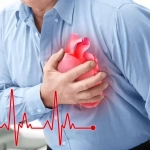
The heart suddenly stops beating, causing cardiac arrest. It causes an abrupt loss of consciousness and pulse because the heart cannot pump blood to the brain, lungs, and other important organs. In minutes, cardiac arrest kills without medical intervention. Knowing the difference between cardiac arrest and heart attack is crucial. Stifled blood supply to the heart muscle causes a heart attack. Even if the heart is healthy, cardiac arrest is an electrical issue that disrupts or stops the heart beat.
Heart Electricalness
A complex electrical pump, the heart. Electric impulses control its rhythm to pump blood. These impulses originate in the sinoatrial node and proceed through the heart chambers in a specific order. An arrhythmia causes this electrical system to breakdown in cardiac arrest. Most cardiac arrests are caused by ventricular fibrillation, where the electrical activity becomes chaotic and the ventricles quiver instead of contracting. Circulation fails immediately.
Arrest Causes
The heart’s electrical system may malfunction for several causes. CHD, which occurs when plaque blocks the heart muscle’s arteries, is a leading cause. Arrhythmias from heart attacks can cause cardiac arrest. Acute arrhythmias can also be caused by heart structural problems such cardiomyopathy or congenital defects. Cardiovascular arrest can also be caused by myocarditis, severe electrolyte imbalances (such high or low potassium), chemical overdose, and trauma. Commotio cordis can develop in healthy young athletes when a sharp chest blow during a key heart cycle moment causes arrest.
Cardiovascular Arrest Risks
Cardiovascular arrest can happen suddenly, although certain people are more susceptible. Risk rises with age. A history of heart disease, heart attacks, or heart failure increases risk. Hypertension, cholesterol, diabetes, smoking, and obesity raise the risk of heart disease and cardiac arrest. Some genetic heart disorders can induce cardiac arrest in young, healthy people. Despite being rare, undetected heart conditions can cause cardiac arrest in athletes during prolonged physical exertion.
Cardiovascular Arrest Warning Signs
Unexpected cardiac arrest is common. Sometimes warning indicators arise ahead. Unexplained dizziness, chest pain, shortness of breath, palpitations, and fainting may indicate serious heart problems. These symptoms are frequently modest and may not require immediate medical intervention. For people with risk factors, cardiac health education and awareness are crucial. Early detection and treatment can avert cardiac arrest.
Heart Arrest: What Happens?
Complete heart electrical failure happens during cardiac arrest. Sudden collapse, loss of consciousness, and no pulse. When breathing stops, gasping or agonal respirations occur. Brain injury and death can occur within minutes if blood flow to the brain and other organs stops. Thus, cardiac arrest is a medical emergency of the highest urgency. Keeping the heart arrested reduces survival and recovery chances.
Reasons for Immediate Action
Every second counts in cardiac arrest. Checking for responsiveness and respiration should be the first step. Do not delay calling 911 and starting CPR. CPR manually pumps blood through the heart and maintains circulation to important organs until expert help arrives or a defibrillator restarts the heart. AEDs analyse the heart’s rhythm and shock it to normalise it. Survival increases with faster CPR and defibrillation.
Survivability Chain
The “Chain of Survival” emphasises cardiac arrest survival stages. Early cardiac arrest detection, bystander CPR, quick defibrillation, advanced paramedic care, and hospital post-resuscitation care are these measures. We need every link in this chain. If any of these steps are delayed, survival is greatly reduced. Public CPR teaching and AED availability have saved lives in numerous countries.
Patient outcomes and survival
Globally, out-of-hospital cardiac arrest survival is dismal despite medical improvements. Only approximately 10% of cardiac arrest victims outside of hospitals survive at discharge. Survival hinges on witnessing the arrest, starting CPR rapidly, and having a defibrillator available. Indian survival rates are much worse due to emergency response delays, lack of CPR training, and limited public defibrillator access. Saving more lives requires greater infrastructure and education.
Continued after survival?
People who survive cardiac arrest continue their adventure when the heart starts pumping again. Brain protection, heart disease management, and rehabilitation are crucial post-cardiac arrest therapy to improve long-term results. In intensive care units, survivors may get targeted temperature regulation to preserve the brain throughout recovery. Many survivors need more testing to discover the reason of cardiac arrest and an ICD to avoid recurrence episodes.
Preventing Heart Attack
Although cardiac arrest generally occurs quickly, people can lower their risk. Healthy living helps avoid. For example, eating a balanced diet of fruits, vegetables, and whole grains, exercising regularly, maintaining a healthy weight, and not smoking. Managing high blood pressure, cholesterol, and diabetes is crucial. Doctors may prescribe drugs and ICDs to heart patients. Heart disease risk can be identified by regular checkups and family history discussions with a doctor.
Community Awareness
Education and awareness are one of the best methods to enhance cardiac arrest survival. Public education about cardiac arrest, CPR, and AED use can help individuals act promptly in emergencies. Public education initiatives and AEDs in airports, malls, schools, and sports arenas have improved outcomes in many nations. Broad CPR training and emergency care campaigns are needed in India and other developing nations to save lives.
Cardiovascular Arrest in Youth and Athletes
The majority of cardiac arrest victims are older persons with heart problems, however athletes can also experience it. Paediatric cardiac arrest can result from hypertrophic cardiomyopathy, arrhythmogenic right ventricular cardiomyopathy, and hereditary arrhythmia disorders. COMMOTIO cordis can cause cardiac arrest in athletes after a chest blow. Athlete screening, awareness, and AEDs during sports events can prevent mortality.
Heart attack vs. cardiac arrest
Although similar, heart attacks and cardiac arrest are different. The public must realise this. A heart attack is caused by a clogged artery depriving portion of the heart muscle of blood. An electrical condition called cardiac arrest stops the heart from working normally, stopping circulation. Not all cardiac arrests are caused by heart attacks. It’s vital to recognise this since immediate treatment priorities differ. Heart attacks and cardiac arrest necessitate quick medical examination and CPR/defibrillation.
Conclusion
Cardiovascular arrest is a rapid, unexpected medical emergency that can afflict anybody, but it is more likely in patients with heart disease. Understanding the causes, warning signs, and treatment of sudden heart stopping can save lives. Preventing death requires early detection, CPR, defibrillation, and medical care. The prevention of cardiac arrest mortality requires public awareness, CPR education, and better emergency care resources. By understanding this illness and working together, we can improve outcomes and offer more individuals a fighting chance in this vital emergency.