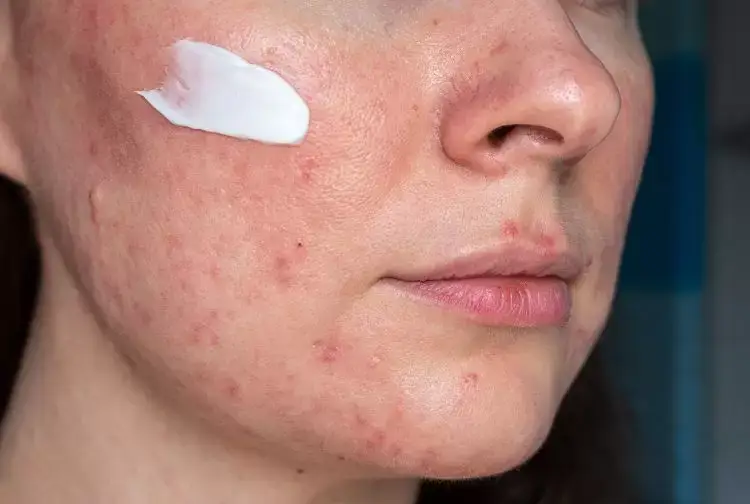
Whether it’s for a stroll, a day at the beach, or just pure enjoyment of fresh air, many individuals find great delight in being outside in the sun. Still, one often occurring response to sun exposure is redness of the face. Many people question what this redness actually implies as it might be frightening or uncomfortable. Is it only a mild sunburn or may it indicate anything more severe? Maintaining good skin and shielding yourself from possible damage depend on knowing why your face goes red after sun exposure, what it means, and how to control or avoid it.
Why does your face turn red after sun exposure?
Your face turns red after spending time in the sun mostly from more blood flow to the surface of your skin. The skin dilates blood vessels to aid in area cooling and damage repair from UV radiation from the sun. The hallmark redness sometimes known as a sunburn results from this higher blood flow. Sunburn is basically an inflammatory reaction to UV radiation, particularly UVB photon, which breaks DNA in your skin cells.
Sunburn generates redness but can also bring feelings of warmth, sensitivity, and occasionally pain. It’s the body’s means of alerting us to skin damage and the necessity of time for healing. Factors including skin type, length of sun exposure, solar intensity, and if any protection like sunscreen was applied can affect the degree of the redness.
Is Redness Always Sunburn?
Although sunburn is usually the cause of redness following sun exposure, there are other possible causes for redness of your face. For some people, skin disorders including rosacea, heat sensitivity, or allergic reactions can induce flushing or redness even from low sun exposure.
Mostly on the face, rosacea is a persistent skin disorder marked by redness, obvious blood vessels, and occasionally acne-like pimples. Rosacea flare-ups are well-known to be triggered by sun exposure, which also redies and irritates the face. Unlike sunburn, rosacea redness often comes and goes and could be accompanied by a stinging or burning feeling.
Redness also results from heat sensitivity. As part of the body’s cooling mechanism, the blood vessels dilate when the skin gets hot, which can produce flushing and transient redness. Common in warm temperatures or during physical exercise is this response.
Finally, some people develop redness and irritation following sun exposure from allergic or photoallergic responses to sunlight or components in sunscreen or skincare products.
Who More Likely Has Facial Redness Following Sun?
Fair-skinned people often experience facial redness following sun exposure because their skin lacks melanin, the pigment that offers some natural defense against UV radiation. UV light damages skin cells more readily the less melanin there is.
People with sensitive skin or pre-existing disorders like rosacea or eczema could also be more sensitively reddish. Furthermore more likely to have sunburn and redness are those who do not routinely utilize sun protection or who spend extended periods of time outside without breaks.
Right away effects of facial redness following sun exposure
Usually, your face turning red after spending time in the sun causes minor irritation or a burning feeling. Many times, if the exposure was restricted and the skin is handled carefully, this redness will diminish within a few hours to a day. On the other hand, a more serious sunburn that calls for careful attention may be indicated by strong redness along with swelling, blistering, or pain.
Sometimes sunburn causes skin peeling several days later as the damaged outer layer sheds to provide room for fresh skin cells. Though it might be unpleasant, peeling is a normal healing process. Manual picking or peeling of the skin should be avoided since this could cause scars or infection.
Long-Term Effects of Frequent Facial Redness
Sunburn and face redness occurring repeatedly might have long-term effects. Years of UV exposure hastens skin aging, leading to fine lines, loss of suppleness, and wrinkles. It can also cause hyperpigmentation, in which case rising melanin production in response to UV radiation darkens regions of skin.
More importantly, regular sunburns raise the risk of skin cancer including melanoma, basal cell carcinoma, and squamous cell carcinoma. These tumors could first show as non-healing wounds, odd moles, or persistent redness. Thus, not only for beauty but also for your general health, protecting your skin from sun damage is really vital.
Managing Facial Redness Following Sun Exposure
If your face becomes red after sun exposure, quick treatment might help to ease symptoms and hasten healing. Finding shelter and then getting out of the sun comes first. Reducing inflammation and hence calming the skin can be achieved by using a cool compress or cool water rinse of your face.
Aloe vera gel or lotions with calming elements like calendula or chamomile will help to moisturize the skin and ease inflammation. While your skin is recovering, steer clear of using strong soaps or exfoliants since these aggravate dryness and redness.
Should pain and inflammation be present, over-the-counter painkillers like ibuprofen can help. Drinking lots of water aids the healing process and helps to maintain your skin’s moisture. Till your skin has completely healed, stay away from more sun.
See a doctor right away if your redness is intense, blistered, or accompanied by fever, chills, or vertigo; these could point to a major burn or sun poisoning.
Stopping Sun Damage and Redness of the Face
Preventing face redness from sun exposure is the greatest approach to handle it firstly. The best preventative action is daily sunscreen application—even on overcast days. Fifteen to twenty minutes before leaving the house, liberally apply a broad-spectrum sunscreen with at least SPF 30 to your face and other exposed regions.
If you swim or sweat, reapply sunscreen more often—every two hours. Wearing sunglasses and wide-brimming hats will help to further guard your eyes and face. Seeking cover from the strongest UV rays between 10 a.m. and 4 p.m. will help.
See a dermatologist about specific treatments and skincare products that reduce redness and shield your skin from solar triggers if you have rosacea or sensitive skin.
Seeing a dermatologist when necessary?
See a dermatologist if your facial redness following sun exposure is frequent, severe, or not improve with home treatment. They can help ascertain whether sunburn, rosacea, an allergic reaction, some underlying condition, or another cause accounts for the redness. Treatments to lower redness, boost skin barrier function, and guard your skin against potential damage might also be advised by a dermatologist.
Regular skin checkups by a dermatologist are crucial for early identification and management of skin issues for those who are sun sensitive or have a past of skin cancer.
Conclusion
A common experience is having your face turn red following sun exposure, but it should not be taken lightly. While modest redness could just be a sunburn, persistent or severe redness can indicate underlying skin issues or long-term harm risk. The best approach to avoid redness and preserve good skin is to use sunscreen, dress in protective gear, and minimize your exposure during peak hours.
Should redness develop, gently and quickly treating your skin will help to relieve discomfort and hasten recovery. See a dermatologist if in question to be sure you receive the correct diagnosis and treatment. Taking care of your skin now will enable you to enjoy clear, healthy skin tomorrow.