
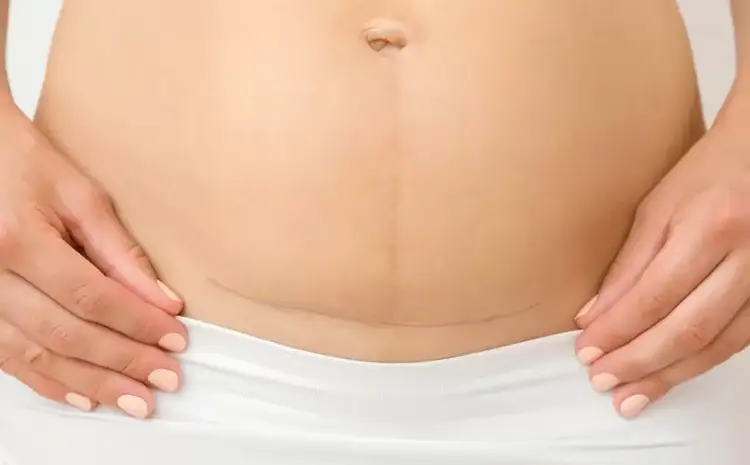
A Cesarean section (C-section) is a significant surgery; although it might be required for the safety of mother or child, the recovery process can be difficult. As they heal from this operation, many new mothers suffer with pain, discomfort, and a range of physical and psychological difficulties. With the correct technique, though, you can control the discomfort, hasten healing, and concentrate on the delight of connecting with your baby. This all-encompassing article will provide useful tips on how to reduce pain following a C-section, thereby enabling your comfort during recovery.
Recognizing C-section Recovery
A C-section delivers the baby by incision made through the uterus and abdominal wall. Many times, this procedure is carried out when a vaginal delivery is unsafe for many medical reasons including placenta difficulties, fetal discomfort, or a breech presentation. Although C-sections are usually safe, their recuperation times are more than those of vaginal deliveries.
Although your general health, the existence of complications, and how your body reacts to the surgery will all affect your normal recuperation period for a C-section—which can run from 6 to 8 weeks. The incision site and mending of the interior tissues could cause you tiredness, difficulty moving about, or pain.
Rest and Healing
Giving your body lots of rest is one of the most crucial strategies for reducing pain following a C-section. Even while it could be tempting to start your regimen, you have to let your body heal correctly. Recovering calls for sleep, hence try to relax as much as you can. Spend that time sleeping too, when your infant is asleep. Rest speeds up your body’s healing and renewal. Restoring your energy might also come from limiting guests and housework. Don’t feel under pressure to immediately do housework or entertain visitors. Give the baby and your health top attention. Moreover, during your recovery, you should not lift bulky objects. Your stomach muscles are recovering; lifting anything too heavy can strain or hurt. Particularly in the first several weeks following surgery, avoid lifting anything heavier than your baby.
Managing Pain with Drugs
Your comfort and recuperation depend on good pain management following a C-section. Usually, the incision site and the internal healing process cause the discomfort as well as other Your doctor may probably write prescriptions for painkillers, including acetaminophen or ibuprofen, to control this discomfort. These drugs can help lower inflammation and discomfort, therefore allowing you more comfortable rest and recovery. Should the pain be more severe, your doctor might write prescriptions for more potent drugs such opioids. Still, these should be used carefully given possible negative effects. Especially in the later days of recovery, over-the-counter painkillers such as ibuprofen can also be really successful. To guarantee the best possible pain relief, you should follow the advice of your doctor about timing and dose. By freezing the incision site and thereby lowering swelling, applying ice to the site can also help. Several times a day, spend 15 to 20 minutes using an ice pack covered in linen. Once the initial swelling has subsided, you might find that heating pads or warm compresses assist to ease painful muscles around the incision line. As your uterus contracts back to its usual size following childbirth, warmth can also help to ease pain related with uterine contraction.
Easy Movement and Workout Techniques
Although rest following a C-section is vital, modest workouts and gentle movement can help prevent stiffness, increase circulation, and ease discomfort. Still, always ask your doctor before starting any kind of workout program. Among the best strategies to boost circulation and prevent stiffness is walking. Start with little walks around your house, then progressively widen the path as you get more robust. Remember not to overstretch yourself; pay attention to your body and quit should you feel discomfort or vertigo. Pelvic tilts are another good exercise for strengthening abdominal muscles and relieving back discomfort. Bending your knees, lie on your back and then slowly raise your pelvis. Spend a few seconds holding then release. Do this many times over the day. After childbirth, pelvic strength can also be restored with kegel exercises—which entail contracting and releasing the pelvic floor muscles. Start carefully a few days following surgery; once more, see your doctor before starting.
Hygiene and Incision Maintenance
Preventing infections and encouraging healing depend on the incision site being kept neat and well-maintaining. Using warm water and light soap, gently wash the region. Steer clear of cleaning the incision site since this will irritate it. To stop moisture buildup—which can cause an infection—pat the area dry with a fresh towel following washing. Additionally crucial is wearing comfortable, flexible clothes free of friction against the incision site. Tight waistbands or anything that presses on the area can be uncomfortable and impede healing. Watch the incision site for any indication of an infection. See your doctor right away if you develop redness, more swelling, or pus discharge. Until the incision has completely healed, you should also avoid submerging it in water—that example, from a bath or swimming pool. Although showers are usually safe, be sure the area of incision stays dry.
Boost Your Abdominal Area
Your abdominal muscles need time to repair following a C-section; they could also feel sensitive and weak. Supporting your abdomen will help to relieve pain and guard your incision site. Using a belly band or abdominal binder helps one accomplish this. These supporting clothes might help your mending muscles be stable and lower stomach pressure. When you have to get up, go around, or cough, they are rather helpful. Regarding coughing or sneezing, when they are required, softly press on your abdomen with a cushion or your hands. This easy approach can assist to minimize pain and ease tension on the incision site.
Food Support for Healing
A balanced, nutrient-dense diet can help your body heal more quickly and ease discomfort. Tissue healing depends on protein, hence include foods like lean meats, eggs, beans, and tofu into your diet. Foods high in fibers can help avoid constipation, a frequent problem following a C-section brought on by painkillers and surgical effects. Whole grains, fruits, veggies, and legumes can help your digestive tract keep things flowing. Preventing constipation and promoting general recovery depend equally on drinking lots of water. Try for eight glasses of water minimum daily. Healing and immune system boosting foods high in vitamins and minerals—especially vitamin C (citrus fruits, tomatoes), zinc (pumpkin seeds, legumes), and iron (leafy greens, beans)—are vital.
Personal Support Emotional
Though it is just as vital as the physical healing, the emotional side of C-section recovery is sometimes disregarded. If their birth experience does not go as expected, many newly mothers go through a spectrum of emotions ranging from happiness to fear to even sadness. Discussing your emotions will help you sort through the feelings that accompany labor and assist you to relax. If you find yourself overwhelmed, don’t hesitate to ask friends, relatives, or your spouse for help. It can also help to join a postpartum support group. These organizations offer a chance for other new mothers to encourage one another, ask questions, and exchange stories. See your healthcare practitioner if you find yourself experiencing depressed, anxious, or sad thoughts. Common disorder requiring attention and support is postpartum depression.
Find Out When You Should See a Doctor
Although some discomfort following a C-section is expected, some signs could point to a problem. Signs indicating anything may go wrong are severe pain or swelling at the incision site, too much blood or discharge, fever, chills, trouble breathing, or dizziness. See a doctor right away if you run across any of these symptoms.
At last
Recovering from a C-section takes time and calls both physical and mental well-being attention as well as patience and self-care. Following the advice above can help you to relax, encourage healing, and restore strength. Never forget to discuss your rehabilitation strategy with your doctor; also, never hesitate to seek assistance when you most need it. Healing takes time, but with the correct support and care you will be on your way to feel better and bonding with your child in no time.