
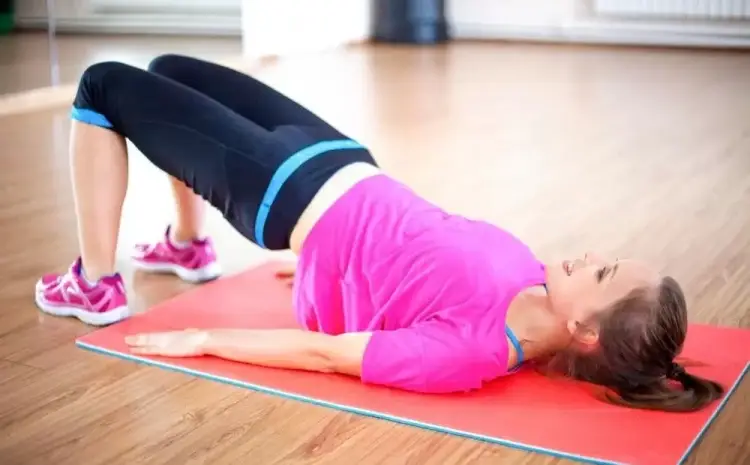
For a woman, pregnancy marks an amazing physical metamorphosis. Your body changes in ways both obvious and invisible as your child develops. The state of the pelvic floor is one of the most important yet sometimes disregarded component of pregnancy wellbeing. Supporting your internal organs, stabilizing your core, and getting your body ready for birthing, these muscles are absolutely vital. Unfortunately, they are also quite strained during pregnancy, which can cause discomfort, problems during birth, and long-term health problems if improperly managed.
Pregnancy calls for strengthening your pelvic floor; it is not only a suggestion. From enhancing bladder control and lowering back discomfort to helping to support a more seamless postpartum recovery, pelvic floor exercises have advantages even beyond labor and delivery. Your general well-being can be much improved by knowing the purpose of these muscles and how to take care of them over your pregnancy.
Appreciating the Pelvic Floor
From your pubic bone at the front to the base of your spine at the rear, the pelvic floor—a collection of muscles and ligaments—stretch like a hammock. Among important organs, these muscles support the bladder, uterus, and rectum. They also affect bowel and bladder control, sexual function, and hip and spine stability.
Your body releases hormones in pregnancy that help your muscles and ligaments to relax in order for delivery. Although this is a normal and required procedure, it can over time compromise the pelvic floor. The extra weight and strain your baby generates stretch these muscles more as she develops. Problems include urine incontinence, pelvic organ prolapse, and even trouble during birth can result from this weakness.
Why Strength of the Pelvic Floor Matters During Pregnancy
Urinary leaks are among the most apparent and obvious consequences of a compromised pelvic floor during pregnancy. Stress incontinence, in which a pregnant woman leaks a tiny amount of urine after coughing, sneezing, or laughing, is common. Though it’s typical, it’s not something you have to tolerate. By strengthening the muscles of the pelvic floor, one can greatly or perhaps completely solve this problem.
Apart from enhancing bladder control, a strong pelvic floor better supports your expanding uterus, therefore lowering the risk of pelvic discomfort and lower back problems. Maintaining good posture as your center of gravity moves depends also on these muscles. Many pregnant women unintentionally offset this change by slumping back, which aggravates back discomfort. By strengthening your core—including the pelvic floor—you can help to preserve better alignment and reduce needless strain.
Regarding labor and delivery, flexibility and strength of the pelvic floor are absolutely vital. While flexible muscles enable a better passage of the baby via the delivery canal, a well-toned pelvic floor can help you push more effectively. Regular pelvic floor exercises throughout pregnancy may also help women avoid difficulties after birth and speed their postpartum recovery.
Relationship between mental health and pelvic floor health
Pregnancy is a period of psychological and emotional change as much as a physical one. Particularly if it involves incontinence or prolapse, pelvic floor dysfunction can cause low self-esteem, anxiety, or shame. Many women suffer in quiet, thinking these problems are inevitable throughout pregnancy and parenting.
Strengthening your pelvic floor pro-active helps you to take control over your body. During pregnancy and the postpartum period, this empowerment can help you to improve mental health and increase confidence. Overall experience is more favorable when one feels physically strong and ready for delivery.
Safe and Powerful Strategies for Strengthening the Pelvic Floor
Kegel exercises are the most often used method to improve the pelvic floor. These entail briefly tightening and retaining the muscles of the pelvic floor before releasing. Though technique counts, it sounds simple. Finding the correct muscles—those you would use to restrict urine flow—and working them without also squeezing your stomach, thighs, or buttocks is vital.
Over time, consistent Kegels—even for a few minutes a day—can have major advantages. Whether you’re brushing your teeth, seated at a computer, or unwinding before bed, consistency is essential and best developed in your regular activities. Variations like longer holds or combining them with breathing exercises can improve their efficacy as you grow more proficient.
Exercises emphasizing pelvic floor strength abound in several pregnant yoga and Pilates classes. Both deep core stability and conscious breathing—two things absolutely essential during labor—are promoted by these exercises. Low-impact exercises like swimming or walking also help general circulation and muscular tone without stressing the pelvic area excessively.
Working with a women’s health physiotherapist is strongly advised whether you’re unsure whether you’re doing the exercises correctly or have pre-existing issues like pelvic pain or prolapse. A expert can help you through tailored activities and track your development across your pregnancy.
Beginning postpartum recovery in pregnancy
Though the reality is that healing starts throughout pregnancy, many women do not consider postpartum recovery until after their baby is born. Your pelvic floor’s state before birth will have a big impact on how fast and painlessly you recuperate later.
Strong pelvic floors help women avoid problems such organ prolapse following birth, pelvic discomfort, or ongoing incontinence. Your pelvic floor still goes through nine months of bearing a baby and adjusting to hormonal changes even if you have a C-section; so, assistance and healing are still necessary.
Furthermore helpful for healing is pelvic floor exercises’ increase of blood flow to the area. Keeping strength during pregnancy helps you re-engage those muscles postpartum, therefore restoring control and a closer relationship with your body.
When would one start pelvic floor training?
Any stage of pregnancy—as long as you get medical approval from your doctor—you can begin pelvic floor exercises. Most women would be safe starting as soon as their pregnancy is confirmed. Actually, your chances of gaining strength and consistent behaviors before the pressures of late pregnancy and labor start increase with increasing early start date.
Your workouts should change as your pregnancy advances to fit your evolving physique. For instance, some women would feel more at ease performing pelvic floor exercises on their side during the third trimester. The objective is to progressively strengthen rather than overdo it.
Rest is also vital when your body tells you it needs it; avoid treating pelvic floor work like a standard gym session. More effective than rigorous repetition is gentle, attentive involvement. The golden rule is quality before plenty.
Stories and Errors of Understanding
Though knowledge of pelvic floor exercise during pregnancy is rising, some misconceptions surround it. Many people believe that pelvic floor workouts cause the muscles to become overly tense, thereby perhaps worsening labor. Actually, these workouts are about control as much as strength. In addition to being robust, a good pelvic floor is flexible enough to relax as needed—particularly during labor.
Another myth is that pelvic floor problems only affect elderly women or those with several children. Actually, pelvic floor dysfunction can strike even first-time 20-year-olds during or following pregnancy. Your long-term results are better the earlier you start caring for these muscles.
Last Thoughts
Pregnancy is a long trip that transforms your body in amazing ways. It’s easy to forget the value of your pelvic floor among the excitement and expectation until problems start. Your experience of pregnancy, birth, and recovery will be much better, though, if you pay early attention and stick to basic, consistent workouts.
Strengthening of the pelvic floor is not only a suggestion or a trend. A key component of prenatal care, it helps you to be comfortable, confident, and long-term healthy. Whether you’re adding to your family or getting ready for your first child, a few minutes a day in these activities will pay off lifetime wise.
The strength you develop now will enable you in the next phase of motherhood, help you heal faster, and carry you through work.