
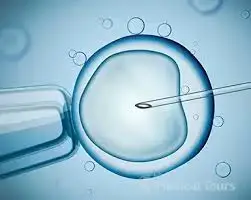
The phrase “test tube baby” has been used for decades to refer to ideas that are often strange, confusing, or misunderstood. Some people think it’s far-fetched to think about babies being made in a lab, but IVF (in vitro fertilization) is a tried-and-true method that has helped millions of couples around the world have children. Many false beliefs and misconceptions still exist about this popular procedure, which stops some people from going through with it.
Recognizing Test Tube Babies
A baby born following IVF treatment is known as a test tube baby. IVF differs from natural conception in which fertilization takes place inside a woman’s body in that it entails fertilizing an egg with sperm under controlled laboratory conditions. The embryo moves into the uterus after development so it may implant and mature into a healthy pregnancy.
IVF has progressed greatly since the birth of the first test tube baby in 1978, providing couples undergoing infertility therapy better outcomes and increased IVF success rates. Modern procedures offered by IVF clinics all around today give hope to individuals trying naturally to conceive.
Shareable Stories Regarding IVF and Test Tube Babies
Myth 1: test tube borns are not natural.
One of the most often held misunderstandings is that test tube babies are “artificial,” or unlike biologically produced offspring. Actually, the approach of idea is the sole variation. Receiving the same love, attention, and sustenance, the baby grows in the mother’s womb exactly like any other child.
Myth 2: IVF children suffer with health problems.
Some argue that IVF-born babies are weaker or more likely to have birth abnormalities. Research indicates, nevertheless, that IVF kids are equally healthy as normally produced children. Genetic screening and embryo selection are part of modern fertility therapies to guarantee the best possibilities of a successful pregnancy.
Myth 3: IVF Designed Only for Older Women
Although women in their late 30s and 40s most often undergo IVF treatment, younger couples dealing with infertility might also consider it. People of various ages can have factors including obstructed fallopian tubes, male infertility, and unexplained infertility. Although the ideal age for a successful IVF pregnancy varies, many now find IVF a practical choice thanks to developments in reproductive medicine.
Myth 4: IVF Always Works
Although success rates in IVF have risen over time, success is not assured in each cycle. The result is influenced by age, egg quality, and underlying medical issues as well. Couples could require many cycles on average before becoming pregnant. Knowing the number of IVF cycles required for pregnancy can allow one to create reasonable expectations.
Myth 5: IVF treatment causes quite severe pain.
Many believe IVF treatment is physically taxing and uncomfortable. Although the procedures—egg retrieval, embryo transfer, and injections—involve medical attention and anesthetic is used to reduce discomfort. Common yet fleeting side effects include moderate cramping and bloating. Understanding adverse effects of IVF treatment in women will help control expectations.
Myth 6: IVF Is Designed Only for the Rich
Location, clinic, and particular medical necessity all affect the IVF cost. Many offices provide financing plans, insurance coverage, and installment alternatives to make treatment more accessible even if it can be costly. Finding reasonably priced solutions for IVF in Delhi or another city can be achieved by couples looking at the expenses.
Myth 7: IVF Guarantees Multiple Births Always
While early IVF treatments often produced twins or triplets, contemporary methods have less likelihood of multiple pregnancies. By allowing single embryo transfers made possible by advanced embryo selection techniques, safer pregnancies and improved health outcomes for mother and child follow.
Shattering the Stigma Around Test Tube Babies and IVF
Social stigma causes many people to hesitate to seek infertility therapy even with developments in reproductive medicine. IVF treatment should be normalized and its advantages should be taught to individuals. Excellent success rates of top IVF clinics close by offer professional advice, which helps to simplify and reduce stress throughout the procedure.
How to Naturally Raise IVF Success Rates
Although success rates in IVF rely on several criteria, there are natural approaches to raise results. Natural rise of IVF success depends on keeping a good diet, lowering stress, and changing lifestyle to be in line. These actions can raise odds of conception and increase fertility.
Which is better—IVF or IUI success rates?
Couples looking at reproductive treatment sometimes weigh IVF against IUI success rates. Although IUI (intrauterine insemination) is a less intrusive choice with less success rates than IVF. See a fertility professional to ascertain the best course of action depending on personal circumstances.
Locating the Best IVF Treatment Hospital
A good outcome from IVF depends on selecting the appropriate institution. Search for clinics featuring sophisticated medical technology, high IVF success rates, and seasoned IVF physicians. The top IVF clinic will provide emotional support and individualized treatment all through the process.
A Test Tube Babies and IVF’s Bright Future
IVF treatment is becoming increasingly successful and available as medical developments go on. More couples are able to overcome infertility and realize their ideal of children. We can make sure that individuals in need view fertility therapy as a positive and empowering option by dispelling myths and raising knowledge of it.
For individuals thinking about IVF, seeing a reputable IVF physician and knowing the procedure methodically can help to smooth out the path. For many with the correct support, hope, and medical knowledge, their desire for a child can come true.