
Though for many couples the path to parenting presents unforeseen difficulties, it is a great dream. Emotionally and physically taxing, infertility can cause frustration, worry, and hopelessness. Still, contemporary medical developments have made treatments possible. Among these, IVF has become a breakthrough fertility treatment that gives millions of people hope all around. IVF is changing lives and enabling parenting for people who formerly believed it was out of reach with its increasing IVF success rate and ongoing developments.
What is IVF?
When natural means of conception fail, couples can use IVF treatment—in vitro fertilization—a medical treatment. It entails controlled laboratory fertilization of an egg with sperm outside the body. The embryo is moved into the uterus once fertilized, therefore raising the likelihood of a successful pregnancy. For couples battling infertility, this approach offers a scientific answer to reproductive difficulties and has changed their lives.
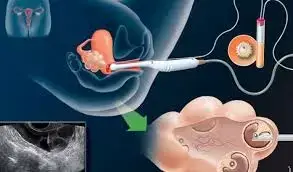
Starting with ovarian stimulation—where fertility drugs enable the ovaries to create many eggs—the IVF treatment process proceeds. These eggs are then taken out under a small surgical operation and mixed in a lab with sperm. The finest grade embryo is chosen and placed into the uterus following fertilization. Two weeks later, a pregnancy test finds whether the operation was successful.
IVF treatment offers one of the main advantages since it lets IVF doctors track and improve the conception process. IVF offers thorough understanding of embryo growth, implantation, and general reproductive health, unlike spontaneous conception, in which many elements are still unknown. This scientific method helps IVF doctors to make wise decisions for every patient and raises the possibility of pregnancy.
The Importance of IVF
IVF treatment offers a lifeline to couples dealing with infertility. It avoids several barriers that can stop spontaneous conception, like low sperm count, obstructed fallopian tubes, or ovulation problems. IVF fertility treatment lets couples have biological children even in cases where conventional techniques fall short.
For those who might not have had the opportunity to conceive otherwise, IVF also offers hope. Thanks to assisted reproductive technologies, single parents, same-sex couples, and those with genetic problems can now enjoy parenthood. This innovative surgery guarantees that biological limitations will not define motherhood, therefore enabling family-building to be more inclusive than ever.
Furthermore, as technology develops, IVF success rates keep rising, which makes it a more and more practical choice for couples experiencing infertility. By means of genetic screening in IVF, IVF hospitals can find viable embryos, therefore lowering the risk of miscarriage and raising the possibility of a successful pregnancy. This development guarantees that more couples will have positive results, so IVF is among the most dependable infertility treatments available nowadays.
IVF’s Transformational Power for Parents’ Lives
Often causing worry and anxiety, the psychological and emotional effects of infertility can be significant. IVF treatment not only offers the chance for conception but also gives hopeful future parents confidence and optimism. For many couples, IVF is a transforming journey since the delight of having their own child following years of hardship is unmatched. It has proved that science and will can produce miracles, helping millions realize their ideal of motherhood.
Many parents say the IVF treatment process is an emotional rollercoaster. Though the waiting period, medical treatments, and expectation might be taxing, the result makes it all worth it. The first ultrasound, the first positive pregnancy test, and the first scream of the baby highlight turning points made possible by IVF in life.
Apart from making couples happy, IVF improves relationships. Together and during the IVF treatment process, facing infertility helps couples grow resilient and deepen their emotional bond. Parenthood is even more significant for couples who go through IVF treatment since they usually come out with a stronger bond and a fresh respect for one another.
IVF’s Emotional and Physical Difficulties
IVF treatment presents certain difficulties even with its success. Couples go through several cycles before reaching success, hence the process can be emotionally draining. The uncertainty and financial commitment add to the stress; so, emotional support is rather important along the road.
IVF physically entails hormone injections, egg retrieval, and embryo transfer—activities that can cause pain and side effects including bloating, mood swings, and exhaustion. With appropriate medical treatment and emotional support, these difficulties can be controlled though.
The financial cost of IVF is among the most often expressed worries of couples thinking about it. Location, IVF hospital, and other procedures needed affect the IVF cost. Although the investment is large, many couples find it worthwhile since starting a family is their main objective. Best IVF clinics are becoming more accessible to those in need since some governments and insurance companies have started to provide reimbursement for fertility treatments.
The frequency of IVF rounds needed for success raises still another issue. While some couples may need several cycles, others find pregnancy on their first try. IVF success rates depend on age, general health, and underlying reproductive problems among other factors. Couples can increase their chances of success, though, by following the correct strategy comprising lifestyle adjustments and appropriate medical advice.
IVF and Fertility Treatment Future
As reproductive medicine advances constantly, IVF treatment is getting more popular and successful. Improved lab technologies, genetic screening, and embryo freezing—among other novel approaches—are raising conception rates. To completely transform infertility treatments, researchers are also looking at stem cells and artificial womb technologies.
IVF’s increasing knowledge and acceptance have helped fertility treatments become more common, therefore lowering the stigma related to infertility. As more couples get access to reasonably priced and efficient fertility treatments over time, millions more will be able to realize their desire of parenting.
Moreover, scientists are looking at natural means of increasing fertility prior to IVF, including stress management, dietary adjustments, and lifestyle changes. Studies indicate that IVF success rates may be much improved by keeping a good weight, cutting caffeine intake, and avoiding smoking. Many IVF hospitals today offer complete treatment including mental health assistance and nutritional counseling to improve success rates.
A Visionary Future for Future Parents
Infertility is not now a barrier to parenthood. Many families have been formed despite the difficulties thanks to IVF treatment and developments in reproductive medicine. Though the path may be difficult, the outcome changes life. IVF remains a lighthouse of hope for couples longing for a child of their own with every success story.
The choice to seek IVF treatment is very personal for couples battling infertility. Even if the route may be long, the end—a healthy baby in their arms—makes every difficulty valuable. IVF treatment has become more efficient, more reasonably priced, and more readily available with every reproductive medicine discovery, thereby assuring that parenthood is still within reach for everyone who aspires to be a parent.
IVF’s future appears more promising as science develops than it has ever been. Increased couples can anticipate the pleasures of motherhood with rising IVF success rates, creative fertility treatments, and increased society support. IVF is evidence of the strength of medical knowledge and the unflinching human spirit in the search of family for people who formerly believed hopeless.