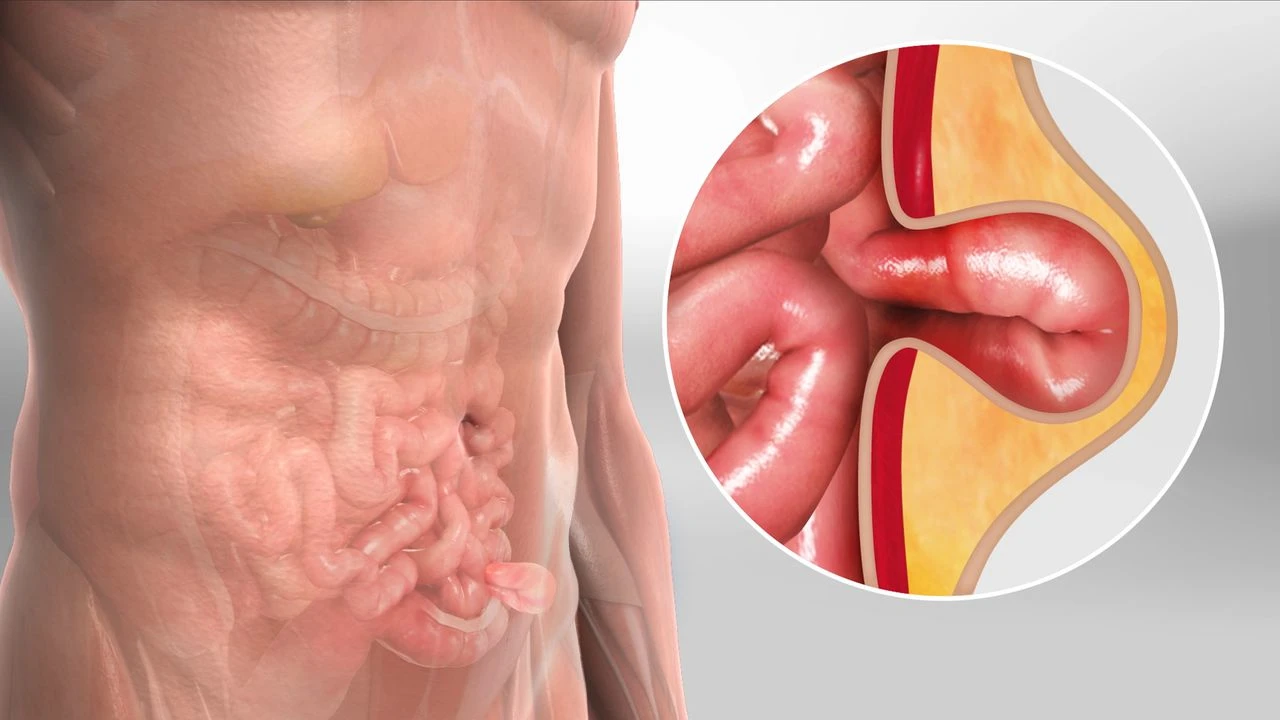
A hernia is one of those things that catches people off guard. Even though it’s common, most folks aren’t sure what it really means or when they should worry.
If your doctor mentioned a hernia to you or someone you care about, understanding the basics of what it is, how surgery is performed, and what recovery might feel like can make the whole thing feel less overwhelming.
Hernia repair is right up there among the most performed surgeries worldwide. Thanks to modern techniques, success rates are high, and recovery is usually quicker and less complicated than it used to be.
Whether you’re just starting to look into treatment or gearing up for surgery soon, this guide breaks down the types of hernias, how doctors fix them, what recovery is actually like, and some real-life steps you can take to heal well.
If you’re in Sonipat, Haryana, or nearby, getting in touch with our qualified surgeon early is always smart.
What is Hernia?
A hernia happens when an organ or fatty tissue pushes through a weak spot in your muscle or connective tissue. Most often, this shows up in the abdomen, where a hole or defect lets tissue bulge out.
This can happen at any age. Both men and women get hernias, though some types are more common in one group than the other.
Common Hernia Types
There are several types of hernias, usually named for where they show up:
- Inguinal hernia: The classic one shows up in the groin, way more common in men.
- Femoral hernia: Also near the groin, but a bit lower. Women, especially after pregnancy, get these more often.
- Umbilical hernia: Around the belly button. You see this in newborns, but adults (especially if overweight) can get them too.
- Incisional hernia: Pops up at a previous surgical incision where healing didn’t go perfectly.
- Hiatal hernia: The upper stomach pushes through the diaphragm into the chest.
Each type needs its own surgical strategy, depending on size and location.
Typical Symptoms And Warning Signs
Usually, the first thing you’ll notice is a bulge. It stands out more when you stand, cough, or strain.
Other symptoms might include:
- Pain or discomfort at the bulge, especially if you’re lifting, bending, or coughing
- A heavy or pressure-like feeling in your abdomen or groin
- Burning or aching around the lump
- Pain that gets worse as the day drags on
Some hernias are sneaky and don’t cause any symptoms. Sometimes, a doctor just finds them during a routine checkup.
If the bulge suddenly gets really painful, turns red, or can’t be pushed back in, get medical help fast. That could mean something serious is going on.
Why Hernias Develop
Hernias happen because of muscle weakness and pressure. You might be born with a weak spot, or it could develop over time.
Risk factors include:
- Chronic coughing or sneezing
- Straining to go to the bathroom
- Heavy lifting, especially over years
- Obesity or sudden weight gain
- Pregnancy
- Previous abdominal surgery
- Aging (muscles just aren’t what they used to be)
- Family history
Usually, it’s not just one thing, several of these can add up and cause trouble.
When An Operation May Be Needed
Not every hernia needs surgery right away. It depends on what kind you have, how bad your symptoms are, and if you’re at risk for complications like the hernia getting stuck or cutting off blood supply.
When Watchful Waiting May Be Considered
If your hernia is small, not painful, and not getting bigger, your doctor might suggest just keeping an eye on it for now.
Watchful waiting works for:
- Small, painless inguinal hernias
- People with other health problems that make surgery risky
- Hernias that can be pushed back in easily
You’ll need regular check-ups so your doctor can see if anything changes. Just know that hernias don’t fix themselves—most eventually need surgery.
Signs That Need Prompt Medical Attention
Some symptoms mean you shouldn’t wait:
- The bulge suddenly gets hard or super tender
- You can’t push it back in (irreducible hernia)
- Severe, sudden pain at the hernia spot
- Nausea, vomiting, or you can’t pass gas or have a bowel movement
- Fever, redness, or warmth around the bulge
- The skin over the hernia changes color
These can mean the hernia is stuck or the tissue is losing blood supply—both are emergencies.
How Doctors Decide On Treatment
Doctors look at a few things before recommending surgery:
| Factor | What the doctor evaluates |
| Hernia size | Bigger hernias usually need repair |
| Symptoms | Pain or discomfort that gets in the way of daily life |
| Growth rate | If it’s getting bigger, that’s a problem |
| Hernia type | Some types are riskier than others |
| Your health | Age, weight, and other medical conditions matter |
| Previous repairs | If it’s come back, surgery is likely needed |
If the hernia messes with your daily life, keeps growing, or could become dangerous, surgery is usually the way to go. Your surgeon will walk you through the timing and method that suits you best.
Surgical Approaches And Techniques
Hernia repair has come a long way. There are three main methods: open repair, laparoscopic repair, and robotic-assisted repair. Most use a surgical mesh to make the repair stronger.
Open Repair
Open surgery is the old-school approach, but it still works great. The surgeon makes a single cut, about two to four inches, over the hernia.
During open repair:
- The bulging tissue goes back where it belongs
- The weak spot in the muscle wall gets fixed
- Usually, a piece of mesh goes in to reinforce the area
- The incision is closed up
Doctors often choose open repair for bigger or complicated hernias. It gives them a clear view and more control. Recovery can take a bit longer, but for many people, it’s the best choice.
Laparoscopic Repair
Laparoscopic surgery is less invasive. Instead of one big cut, the surgeon makes three or four tiny incisions.
A small camera (laparoscope) and special tools go in through those openings. The surgeon watches a screen to guide the repair from inside.
Perks of this method:
- Less pain afterward
- Smaller scars
- Faster return to normal stuff
- Shorter hospital stay
It’s especially handy for hernias on both sides or for people who’ve already had open surgery. You do need general anesthesia, and not every surgeon does this type.
Robotic-Assisted Repair
Robotic surgery is like laparoscopic, but with a twist. The surgeon uses a console to control robotic arms, getting a super-detailed 3D view and very precise movements.
Recovery is pretty similar to laparoscopic: small cuts and usually a quicker bounce-back.
Use Of Surgical Mesh
Most hernia repairs use mesh a thin, flexible sheet that covers or goes under the weak spot. Mesh really lowers the chances of the hernia coming back.
Studies show mesh repairs last longer than just stitching it up. The mesh is usually synthetic and the body tolerates it well. Over time, your tissue grows into it.
Your surgeon will talk about what kind of mesh they use and why. Rarely, mesh can cause problems like discomfort or infection, so make sure to go to all your follow-up appointments.
Preparing For The Procedure
Getting ready is half the battle. Your surgical team will guide you, but knowing what’s coming can help you feel a bit more in control.
Pre-Surgery Evaluation
Before surgery, you’ll have a few tests and checks:
- A physical exam, especially focused on the hernia
- Blood tests to check your overall health and clotting
- Imaging (like ultrasound or CT) to see exactly where the hernia is
- Review of your medical history and any meds you take
If you have diabetes, heart, or lung issues, your doctor might bring in other specialists to make sure everything’s managed before surgery.
Questions Patients Should Ask
Don’t be shy about asking questions. Here are a few that might help:
- What kind of surgery do you recommend for me, and why?
- Will you use mesh? What type?
- What anesthesia will I get?
- How long will the surgery take?
- What are the risks?
- When can I get back to work or regular life?
- How many hernia repairs have you done?
Jot your questions down before your appointment so you don’t forget. A good surgeon will answer them.
How To Get Ready At Home
A few things to do before surgery:
- Fasting: Usually, stop eating and drinking 8-12 hours before.
- Medications: Some meds, especially blood thinners and NSAIDs, may need to be stopped a few days ahead.
- Smoking and alcohol: If you smoke, try to stop—it makes healing slower. Cut back on alcohol too.
- Arrange support: Have someone drive you home and help out for a day or two.
- Prepare your space: Set up a comfy spot at home with meds, water, phone, and pillows within reach.
- Clothing: Wear loose, comfy clothes on surgery day.
Doing these things makes life a lot easier after surgery.
Recovery And Aftercare
Recovery is different for everyone, but most people are back to their usual routine in a few weeks. Following your surgeon’s advice really does help things go smoother.
What To Expect Right After Surgery
Right after surgery, you’ll spend a bit of time in recovery as the anesthesia wears off. You might feel groggy, a little nauseous, or sore near the incision.
Most folks go home the same day, especially after laparoscopic or robotic surgery. If you had open or more complex surgery, you might stay overnight.
Doctors will get you up and walking pretty soon—sometimes within hours. Moving early helps prevent blood clots and keeps your digestion moving. Lying in bed all day is old news.
Pain Management And Wound Care
Some pain or discomfort is normal for the first few days. Your doctor will give you pain meds or suggest over-the-counter options as you get better.
Tips for wound care:
- Keep the incision clean and dry
- Don’t soak in baths, pools, or hot tubs until your doctor says it’s okay
- Watch for infection: more redness, warmth, swelling, or weird discharge
- Change dressings as instructed
An ice pack (wrapped in a cloth) can help with swelling. Most people notice the pain eases a lot after three to five days.
Returning To Daily Activities
Here’s a rough idea of what you can do and when:
| Time After Surgery | What You Can Typically Do |
| First 24 to 48 hours | Rest, short walks, basic self-care |
| 1 to 2 weeks | Light daily stuff, short walks, desk work |
| 4 to 6 weeks | Most normal routines, light exercise |
| 6 to 8 weeks | Most people are back to full activity, including heavier stuff |
Hold off on heavy lifting (over 5-10 kg) for at least four to six weeks. Don’t rush back to hard workouts or tough jobs until your surgeon gives the green light.
Eating protein-rich foods, think eggs, dal, chicken helps your body repair tissue.
Possible Complications During Recovery
Serious problems are rare, but keep an eye out for:
- Pain that doesn’t get better with meds
- Fever or chills
- Redness, swelling, or bad-smelling discharge from the incision
- Nausea, vomiting, or not being able to pass gas
- Trouble urinating
- A new bulge near the surgery site
If you notice any of these, call your doctor or head to the hospital. Catching issues early makes a big difference.
Long-Term Outlook And Prevention
Hernia surgery generally works really well, and most people feel better for good. Still, it’s worth knowing what to look out for down the road to keep things on track.
Chances Of Recurrence
No surgical repair can promise a hernia will never come back. Still, modern techniques have made recurrence a lot less common.
Mesh-based repairs usually beat suture-only repairs when it comes to lowering recurrence rates. The numbers depend on the hernia type, surgical approach, and your own risk factors.
Obesity, chronic coughing, smoking, and jumping back into heavy activity too soon can all bump up your risk. Honestly, picking a surgeon with real experience matters more than people sometimes think.
Lifestyle Steps That May Lower Risk
You can’t wipe out every risk, but a few everyday habits can help protect your repair and maybe keep another hernia from showing up:
- Maintain a healthy weight: Carrying extra pounds puts extra strain on your belly wall.
- Eat a high-fibre diet: Helps you avoid constipation and lessens straining.
- Quit smoking: Smoking slows healing and weakens your connective tissue.
- Lift safely: Let your legs do the heavy work, not your back. Don’t strain.
- Stay active: Regular, moderate exercise keeps your core muscles stronger.
- Manage chronic cough: Got a cough that won’t quit? Talk to your doctor.
If hernias run in your family or you’ve already had one fixed, these steps matter even more.
When To Follow Up With A Doctor
After surgery, your surgeon will set up follow-up visits to check how you’re healing and make sure the repair’s holding up. Don’t skip these appointments, even if you feel totally fine.
Later on, reach out to your doctor if you spot:
- A new bulge or swelling near where your hernia was
- Pain that sticks around or comes back in that area
- Changes in bowel habits or new abdominal discomfort
If you’re from Sonipat, Haryana, or a nearby area, you can directly book an appointment at Tulip Hospital for follow-up care and advice.
Frequently Asked Questions
1. What are the main types of hernias, and how does the surgical approach differ for each?
You’ll mostly hear about inguinal (groin), femoral (lower groin), umbilical (belly button), incisional (old surgery site), and hiatal (upper stomach through the diaphragm) hernias. Inguinal and umbilical hernias can often be fixed with either open or laparoscopic surgery. Bigger or trickier hernias might need open surgery for better access. Surgeons pick the method based on where the hernia is, how big it is, and your overall health.
2. When is surgery recommended instead of watchful waiting for a hernia?
Doctors usually suggest surgery if the hernia hurts, keeps getting bigger, or might become trapped or strangulated. If it’s tiny and not bothering you, sometimes watchful waiting is fine. But hernias don’t heal on their own, so most folks end up needing surgery at some point. Your doctor will help you sort out what makes sense for your situation.
3. What is the difference between open surgery and laparoscopic or robotic repair?
Open surgery means one bigger cut for direct access—often better for complex or large hernias. Laparoscopic surgery uses a few small cuts and a camera, which usually means less pain and a quicker recovery. Robotic repair is a lot like laparoscopic, but the surgeon controls robotic arms for more precision. More centres in India are offering this now.
4. How should I prepare for hernia repair surgery, including medications and pre-op testing?
You’ll need a physical exam, some blood tests, and maybe an ultrasound or CT scan. Fasting for 8 to 12 hours before surgery is standard. Your doctor might ask you to stop blood thinners or other meds a few days ahead. Set up a comfy spot to recover at home and make sure someone can drive you back after the procedure. Definitely follow all your surgeon’s pre-op instructions.
5. What are the most common risks and complications of hernia repair, and how are they managed?
The usual risks are infection at the incision, pain or swelling, bleeding, and hernia coming back. Rarely, mesh problems or nerve injury can happen. Most issues get sorted out with medicine, good wound care, and follow-up visits. If you get a fever, more pain, wound discharge, or a new bulge, call your doctor right away.