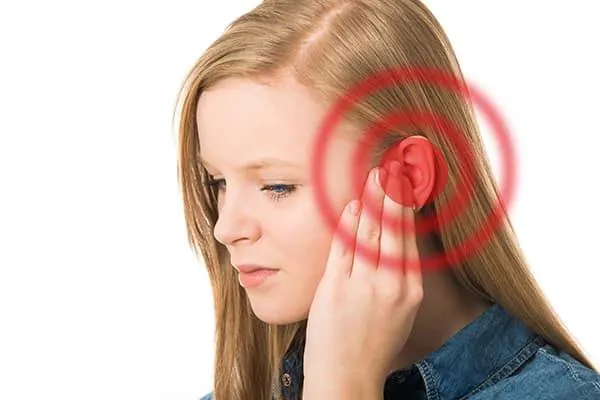
Tinnitus is when you hear a sound that isn’t coming from anything around you. Think ringing, buzzing, hissing, or humming, sometimes in one ear, sometimes both.
It affects about 10 to 15 percent of adults. For some, it’s just an occasional nuisance, but for others, it can really mess with daily life.
If you keep hearing sounds no one else can, you’re not making it up. There are actually ways to manage it.
Tinnitus isn’t a disease itself. It’s a symptom, and it can point to all sorts of things noise exposure, earwax, or just getting older.
What Tinnitus Feels Like
Tinnitus is honestly a pretty personal thing. The type of sound, how loud it is, how often it shows up, all of that can be totally different from person to person.
Common Sounds People Notice
The sounds? They’re all over the place. Some of the main ones people mention:
- Ringing (classic)
- Buzzing (like an electric hum)
- Hissing (think steam or static)
- Whistling or whooshing
- Clicking or roaring
You might hear it in one ear, both, or just somewhere inside your head. Some people describe it as a high-pitched squeal, others as a low rumble.
Once in a while, it pulses with your heartbeat. That’s called pulsatile tinnitus.
How Severity And Frequency Can Vary
For some, tinnitus is a faint background noise that comes and goes. Others deal with it constantly, and it’s loud.
You might only notice it when things are quiet, or it could drown out conversation. It’s not just about volume, though.
How much it bothers you really depends on how you feel about it, your stress level, and how long it’s been going on. Weirdly, research says the annoyance is more about your mood than the actual noise.
Possible Effects On Sleep, Focus, And Mood
Tinnitus always seems louder when everything else is quiet, so bedtime can be rough. Falling asleep might take longer, and your sleep quality can dip.
During the day, focusing on work or conversations gets tougher. Over time, that frustration can turn into anxiety or even depression.
If tinnitus is weighing on you, you’re definitely not alone, and help’s out there.
Why It Happens
Tinnitus can pop up for all sorts of reasons. Sometimes there’s an obvious cause, sometimes not.
Noise damage, ear problems, certain meds, and health issues can all play a part.
Noise Exposure And Hearing Changes
Loud noise is probably the biggest culprit. That could be a sudden blast or just years of loud music or machinery.
As you age, hearing changes too. Those tiny hair cells in your inner ear get worn out, and your brain tries to fill in the blanks with phantom sounds.
That’s why tinnitus gets more common as you get older.
Earwax, Ear Infections, And Other Ear Problems
Sometimes it’s something simple, like earwax blocking your ear canal. That can mess with your hearing and trigger tinnitus.
Ear infections or fluid in the middle ear can do the same thing.
Other ear-related conditions that might set off tinnitus:
- Meniere’s disease (inner ear disorder with vertigo)
- Otosclerosis (weird bone growth in the middle ear)
- Cholesteatoma (skin growth behind the eardrum)
- Acoustic neuroma (benign tumor on the hearing nerve)
Medicines And Other Health Conditions
There are over 260 medications that can cause tinnitus. Antibiotics, anti-inflammatories, diuretics, some cancer drugs—the list goes on.
Usually, tinnitus gets better if you stop or switch the medication.
Other health stuff can play a role too, high blood pressure, heart issues, thyroid problems, diabetes, TMJ disorders, or head and neck injuries.
Triggers That Can Make Ringing Worse
Even if you know what started your tinnitus, certain things can make it flare up. Some common ones:
- Stress or emotional upheaval
- Lack of sleep or just being wiped out
- Too much caffeine or alcohol
- Being around loud noise again
- Jaw clenching or grinding your teeth
Jotting down when your tinnitus gets worse can help you spot your own triggers.
How Doctors Assess The Problem
The first step is a proper checkup. Your doctor needs to figure out what kind of tinnitus you have, what might be causing it, and how much it’s affecting you.
Medical History And Symptom Review
Your doctor will ask a bunch of questions about your symptoms. Be ready to talk about:
- When it started and if it was sudden or gradual
- What the sound is like (ringing, buzzing, pulsing, etc.)
- One ear or both?
- How often and how loud?
- Medications you’re on or just stopped
- Noise exposure, ear infections, or head injuries
- How it’s messing with your sleep, focus, or mood
Sometimes they’ll use questionnaires to see how much it’s interfering with your day-to-day life.
Ear Examination And Hearing Tests
Next up is a physical exam of your ears, head, and neck. They’ll check for earwax, infection, or anything odd in your ear canal or eardrum.
An audiogram—basically a hearing test—is key. It shows how you hear at different frequencies and can highlight hearing loss patterns that often go with tinnitus.
Other possible tests:
- Tinnitus pitch and loudness matching (to nail down the sound you hear)
- Speech-in-noise testing (how well you hear in noisy places)
- Imaging (MRI or CT) if there’s a chance of a growth or blood vessel issue
Warning Signs That Need Prompt Evaluation
Most tinnitus isn’t dangerous, but some things mean you should see a doctor fast:
- Tinnitus in just one ear, especially if it came on suddenly
- Pulsatile tinnitus (that heartbeat whooshing)
- Tinnitus plus sudden hearing loss, dizziness, or facial weakness
- Tinnitus after a head or neck injury
These could mean something more serious is going on. If you’re in Sonipat or Haryana, reach our help desk at Tulip Hospital can get you checked out and help in diagnose faster.
Treatment And Symptom Relief
There’s no single cure for tinnitus, but you’ve got options. The best plan is the one that fits your situation.
Addressing The Underlying Cause
If your doctor finds a fixable cause, treating it can make tinnitus fade or disappear. For example:
- Getting rid of built-up earwax
- Treating an ear infection
- Changing a medication that’s causing issues
- Managing blood pressure or heart problems
- Fixing TMJ with dental or physical therapy
That’s why a thorough checkup actually matters.
Sound Therapy And Hearing Support
Sound therapy helps by making tinnitus less noticeable compared to background noise. Some options:
- White noise machines or apps for soothing background sounds
- Hearing aids (especially if you also have hearing loss)
- Combination devices (hearing aid plus sound generator)
- Tinnitus retraining therapy (TRT), which mixes sound therapy with counseling
Honestly, even a fan or soft music at night can help take the edge off.
Stress Management And Daily Coping Strategies
Since stress makes tinnitus worse, managing your mental health is a big deal. Some things that help:
- Cognitive behavioral therapy (CBT) to change how you think about tinnitus
- Deep breathing, meditation, or muscle relaxation
- Regular exercise to cut stress and sleep better
- Keeping a steady sleep schedule and using background sound at bedtime
For a lot of people, stress management is the most helpful thing they do.
When Specialist Referral May Be Needed
If tinnitus hangs on despite your best efforts, or it’s really messing with your life, it’s time to see an audiologist or ENT specialist.
Definitely get a specialist if you have:
- Tinnitus in one ear only
- Hearing loss that’s getting worse
- Anxiety or depression from tinnitus
- Pulsatile tinnitus that needs a closer look
Specialist clinics can offer in-depth testing, custom sound therapy, and more support.
Self-Care And Prevention
Protecting your hearing and tweaking your daily habits can make a real difference—not just for prevention, but for managing tinnitus too.
Protecting Your Ears From Loud Sound
Noise-related tinnitus is super preventable. Here’s what helps:
- Wear earplugs or noise-cancelling earmuffs at concerts, construction sites, or anywhere loud
- Keep headphone volume reasonable (the 60/60 rule: max 60% volume for 60 minutes at a time)
- Stay away from loudspeakers and take breaks in noisy places
- Use hearing protection at work if you’re around machines or tools
If you already have tinnitus, protecting your ears from more noise is crucial.
Healthy Listening Habits
Your everyday choices matter. Try these:
- Use over-ear headphones instead of earbuds—they’re usually safer at lower volumes
- Take “quiet breaks” during your day, especially if your environment is noisy
- Pay attention to how much noise you’re exposed to over the day
- Don’t fall asleep with loud music in your ears
Start these habits sooner rather than later. Your ears will thank you.
Managing Lifestyle Factors
How you live can change how much tinnitus bugs you. Small tweaks can go a long way:
- Cut back on caffeine and alcohol if they make your tinnitus worse
- Don’t smoke—it’s bad for your ears’ blood flow
- Stay active to keep your circulation and stress in check
- Prioritize good sleep; background noise at night can help
- Watch your jaw tension, especially if you grind your teeth
If you’re in Sonipat or Haryana and lifestyle changes aren’t enough, a healthcare provider can help you find the right mix of self-care and professional help.
Frequently Asked Questions
What are the most common causes of ringing or buzzing sounds in the ears?
The biggest causes are noise-induced hearing loss and age-related hearing changes. Earwax, infections, certain meds (over 260 can do it), and things like Meniere’s disease or TMJ problems can also be triggers.
Is tinnitus a symptom of an underlying condition, and when should it be evaluated?
Yep, tinnitus is a symptom—not a disease. Get it checked out if it lasts more than a few weeks, is only in one ear, pulses with your heartbeat, or comes with sudden hearing loss, dizziness, or facial weakness.
How is tinnitus diagnosed, and what tests are typically recommended?
Diagnosis starts with a deep dive into your symptoms and a physical check of your ears, head, and neck. An audiogram (hearing test) is usually the first step. Sometimes, doctors add pitch matching, speech-in-noise tests, or imaging like MRI if they’re looking for something specific.
Can hearing loss be related to tinnitus, and how are they managed together?
Tinnitus and hearing loss often go together. Damaged inner ear cells can cause both. Hearing aids help by boosting outside sounds, which can make tinnitus less noticeable and improve your ability to hear folks talking.
What treatment options are available to reduce tinnitus impact and improve daily functioning?
You’ve got a few options here. Sometimes, doctors look for an underlying cause—maybe it’s earwax, or a medication that needs adjusting.
Sound therapy can help distract you from the ringing. Hearing aids sometimes make a difference, especially if you’ve got some hearing loss going on.
Tinnitus retraining therapy is another route, though it takes some patience. Cognitive behavioral therapy (CBT) can help you change how you react to the noise.
Don’t underestimate stress management. Deep breathing, regular exercise, and just trying to get decent sleep can really help with the day-to-day struggle.