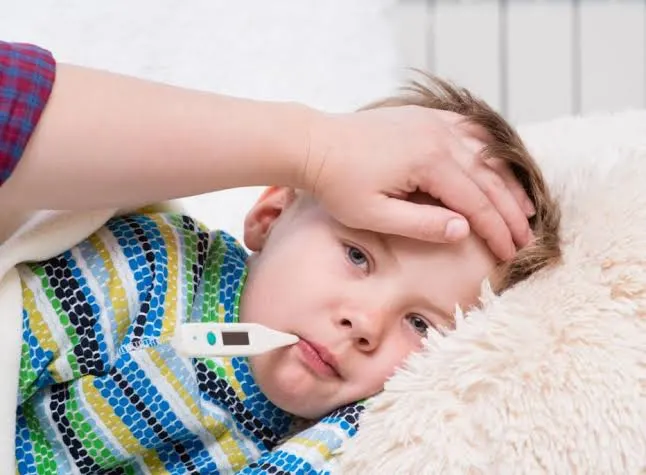
Few things rattle parents like feeling that telltale heat on a toddler’s forehead. Fevers in toddlers send families to the doctor all the time, and honestly, even though it feels scary, it’s usually just the body’s way of fighting off some bug.
In most cases, a fever by itself isn’t dangerous. What really matters is how your child acts while their temperature’s up.
Your toddler’s immune system is still figuring out how to handle all the germs it encounters. That’s why fevers pop up pretty often between the ages of one and three; sometimes, it feels like it never ends.
It helps to know which symptoms are just part of the ride, which comfort tricks actually help, and which warning signs mean you should get help fast.
Let’s walk through what causes fever in young kids, how to care for them at home, and when it’s time to see a doctor.
Understanding Body Temperature
A toddler’s body temperature naturally shifts throughout the day. It usually runs a bit lower in the morning and peaks late in the afternoon.
Kids between 18 and 24 months sometimes have a higher “normal” temperature than older kids or adults. Hitting 37.5 °C (99.5 °F) doesn’t always mean they’re sick.
What Counts As A Fever
Doctors call it a fever if your toddler’s rectal (core body) temperature hits 38 °C (100.4 °F) or higher. This cutoff works no matter your child’s age or how you check.
Here’s a quick cheat sheet:
| Temperature Reading | Classification |
| Below 37.5 °C (99.5 °F) | Normal range |
| 37.5 °C – 37.9 °C (99.5 °F – 100.3 °F) | Low-grade or borderline |
| 38 °C (100.4 °F) and above | Fever |
| 39 °C (102.2 °F) and above | Higher fever; keep a close eye on kids under 3 years |
A big number on the thermometer doesn’t always mean something serious is going on. Some mild viruses can push temperatures above 39 °C, while nastier infections might only give a small bump.
How Temperature Should Be Measured
If your toddler’s under three, a rectal thermometer is the gold standard. Digital rectal thermometers are cheap and easy to find at any pharmacy.
Steps for a rectal reading:
- Clean the thermometer tip with alcohol or soap and water.
- Dab a little petroleum jelly on the tip.
- Lay your child face-down across your lap or on a firm surface.
- Gently insert the tip about 1 to 2 cm (half an inch to one inch) into the rectum.
- Hold it steady until it beeps.
Ear and forehead thermometers are convenient, but they’re not always accurate in little kids. Armpit readings usually run about 0.5 °C lower than rectal ones; use these just for a quick check, not for decisions.
If you take a temperature at home, that number counts. Jot down the time, reading, and method so you can share it with your doctor.
Common Reasons A Child May Run Hot
Most toddler fevers are caused by infections. Viruses are the main culprits, and they usually clear up in a few days.
Sometimes, bacteria, vaccines, or even the environment play a role.
Viral Illnesses And Seasonal Infections
Viruses cause most fevers in this age group. Your toddler picks up these bugs from daycare, playgroups, or just hanging out with family.
Some usual suspects:
- Upper respiratory infections (like colds or flu)
- Gastroenteritis (stomach bugs with vomiting or diarrhoea)
- Hand, foot, and mouth disease
- Roseola (often starts with a high fever, then a rash)
Bacterial infections are less common, but they can be more serious. Watch for:
- Ear infections (otitis media): These can cause fever with ear pain or crankiness, especially at night
- Urinary tract infections: Sometimes, fever’s the only clue
- Pneumonia: Usually comes with cough and fast breathing
- Strep throat: A bit more common after age two
It’s totally normal for kids to have a fever after vaccines. These usually show up within a day or two after shots like DPT, or about a week after the measles vaccine, and rarely last beyond a day.
Teething, Overdressing, And Other Misconceptions
A lot of parents blame high fevers on teething, but research says teething doesn’t cause real fever. It might nudge the temperature up a bit, but not much rarely over 38 °C. If your toddler’s running hotter, look for another reason.
Sometimes, too many clothes or heavy blankets make your child feel warm—especially during those scorching months in Haryana and nearby places. That’s not a real fever; it’s just surface heat. Strip off a layer, wait 15–20 minutes, and check again.
Other things to keep in mind:
- Fever doesn’t mean your child needs antibiotics.
- The number itself isn’t what matters most; it’s how your kid looks and acts.
- Fever won’t cause brain damage in otherwise healthy toddlers.
Signs That Help Judge Severity
When your toddler’s got a fever, the thermometer only tells part of the story. Pay more attention to how your child eats, drinks, and interacts.
Typical Symptoms That May Accompany A High Temperature
Some symptoms just come with the territory when a toddler’s sick:
- Fussiness or mild irritability that eases when you comfort them or after medicine kicks in
- Not eating as much
- Less energy or wanting more naps than usual
- Mild body aches or not wanting to play
- Warm or flushed skin
- Chills or shivering as the fever rises
- Runny nose, mild cough, or loose stools if they’ve caught an infection
If your child still makes eye contact, responds to you, drinks fluids, and perks up between grumpy spells, that’s actually a good sign.
Red Flags That Need Prompt Medical Attention
Some signs mean you shouldn’t wait—get medical help right away:
- Lethargy or listlessness: child is hard to wake, doesn’t make eye contact, or feels floppy
- Inconsolable crying that nothing seems to help—not even cuddles or medicine
- Difficulty breathing: fast breaths, flaring nostrils, or ribs pulling in with each breath
- Petechiae or purpura: small red or purple spots that don’t fade when you press them
- Stiff neck or a bulging soft spot on the head
- Fewer than four wet nappies in 24 hours or no tears when crying—signs they’re getting dehydrated
- Fever lasting more than five days without getting better
- Temperature of 39 °C (102.2 °F) or higher in a child under two that doesn’t come down with standard care
- Seizure during the fever (febrile seizure), even if it’s short
If your baby is under three months and has any fever (38 °C or above), treat it as an emergency. Go straight to the doctor.
Home Care And Comfort Measures
You can manage most toddler fevers at home while the illness runs its course. The main goals? Keep your child hydrated and comfortable, and keep an eye on them.
Fluids, Rest, And Keeping The Child Comfortable
Fever makes kids need more fluids. Offer small sips often instead of big gulps.
Good fluid options:
- Breast milk or formula (if your toddler still nurses)
- Plain water
- Oral rehydration solution (ORS), especially if there’s vomiting or diarrhoea
- Diluted juice or clear soup
Dress your child in lightweight cotton clothes. Skip the heavy blankets, especially if you live somewhere hot like Sonipat.
A lukewarm sponge bath (not cold!) can help them feel better for a bit, but it won’t really bring the fever down.
Avoid these:
- Ice baths or cold water: these make kids shiver, which can raise their core temperature
- Rubbing alcohol on the skin: it’s old-fashioned and risky if absorbed or inhaled
- Withholding food: let your child eat if they’re hungry—simple foods like rice, dal, khichdi, bananas, or toast work well
Let your child rest, but don’t force naps if they’re not tired. Quiet activities like reading or watching cartoons are totally fine.
Safe Use Of Fever-Reducing Medicines
Acetaminophen (paracetamol) and ibuprofen are the main meds for bringing down fever in toddlers. They won’t fix the illness, but they can make your kid feel more comfortable.
| Medicine | Minimum Age | Dosing Interval | Key Notes |
| Paracetamol (acetaminophen) | 2 months and up | Every 4–6 hours | Dose by weight, not age |
| Ibuprofen | 6 months and up | Every 6–8 hours | Give with a snack to avoid tummy upset |
A few safety tips:
- Always use the dosing syringe or cup that comes with the medicine. Kitchen spoons are way too inconsistent.
- Never give aspirin to kids—it’s linked to a rare but dangerous condition called Reye’s syndrome.
- Don’t alternate paracetamol and ibuprofen unless your doctor tells you to—mix-ups are easy.
- If the dose isn’t clear, call your paediatrician or reach Tulip Hospital emergency room.
Medical Evaluation And Treatment
If home care isn’t cutting it or you spot any warning signs, it’s time for a medical check.
How Doctors Look For The Cause
Doctors start by asking questions about the fever—how long it’s lasted, the highest reading you’ve seen, other symptoms, recent exposures, vaccines, and how your child’s eating or drinking.
They’ll check:
- How your child looks and responds
- Ears, throat, and mouth (looking for ear infections, tonsillitis, mouth sores)
- Breathing and lung sounds
- Abdomen (for tenderness or swelling)
- Skin (for rashes, petechiae, or dehydration)
If things aren’t obvious, the doctor might order:
- Complete blood count (CBC) to check for bacterial vs viral infection
- Urine tests, especially if there’s fever but no clear source
- Blood culture if a serious bacterial infection is possible
- Chest X-ray if pneumonia’s a concern
- C-reactive protein (CRP) or procalcitonin to see how inflamed things are
Usually, they’ll find the reason pretty quickly. If fever sticks around for more than two weeks with no clear cause, they’ll dig deeper.
Treatment Based On The Underlying Illness
Treatment depends on what’s causing the fever, not the fever itself.
- Viral infections: No antibiotics. Focus on comfort, fluids, and rest. Most viral fevers clear up in three to five days.
- Bacterial infections: Antibiotics are needed, but only for specific bugs and sites like ears, urine, or lungs.
- Post-vaccination fever: Just comfort measures—no extra meds needed.
- Serious or invasive infections: Things like bacterial meningitis or sepsis mean hospital care, IV antibiotics, and close monitoring.
Doctors weigh the pros and cons before prescribing anything. Don’t give leftover antibiotics or someone else’s meds to your toddler ever.
Prevention And Follow-Up
You can’t dodge every fever, but some habits help cut down on sickness. And knowing when to check back with your doctor matters, too.
Steps That May Lower Infection Risk
- Stick to the vaccine schedule. Routine shots for things like measles, pneumococcus, and Hib have made serious fevers much less common.
- Teach handwashing. Show your toddler how to wash up before eating, after the toilet, and after playing outside. Soap and water for at least 20 seconds.
- Avoid close contact with sick people. If someone at home is ill, try to limit face-to-face time and sharing utensils.
- Keep meals and drinks healthy. Good nutrition and hydration help the immune system.
- Prioritise sleep. Toddlers need 11 to 14 hours a day, including naps.
- Keep living spaces clean and well-ventilated, especially during monsoon and winter in Haryana when bugs spread more easily.
When To Recheck Or Seek Ongoing Care
After you visit the doctor, keep an eye on your child at home. Head back if:
- The fever comes back after being gone for more than a day.
- Your toddler suddenly gets new symptoms, like a rash, vomiting that won’t quit, or trouble breathing.
If the fever sticks around for five days or more, even with treatment, that’s a concern. Notice if your child seems worse or just stops drinking much; those are also signs to check in.
Finished a round of antibiotics, but the fever’s still there? That’s another reason to call or visit your doctor.
It’s honestly a good idea to do a quick follow-up call or visit your paediatrician within two or three days after starting treatment, especially if it’s for a bacterial infection.
Frequently Asked Questions
1. What temperature is considered a fever for a toddler, and how should it be measured?
If your toddler’s rectal temperature hits 38 °C (100.4 °F) or higher, that counts as a fever. For kids under three, a digital rectal thermometer gives the best reading.
Ear and forehead thermometers are easier to use, but they can be a bit less accurate.
2. When should I take my toddler to urgent care or the emergency room for a fever?
If your baby’s under three months and has any fever, don’t wait—get medical help right away. Same goes if your toddler struggles to breathe, has a stiff neck, breaks out in a rash with red or purple spots that don’t fade, or just seems limp and out of it.
If they’re crying and nothing helps, or if you notice fewer wet nappies and no tears, those are also red flags for urgent care.
3. How can I tell whether a fever is caused by a viral infection or something more serious?
Viral fevers usually show up with cold symptoms, loose stools, or just a general feeling of blah, and your kid often perks up a bit between fever spikes.
But if your toddler stays really tired even after the fever drops, refuses to drink, has pain in one spot (like pulling at their ear or hurting when they pee), or the fever just won’t quit after five days, you might be looking at something more serious.
4. What is the safest way to use acetaminophen or ibuprofen for a toddler, including dosing and timing?
Always dose medicine by weight, not age. Use the syringe or cup that comes with the bottle.
You can give paracetamol (acetaminophen) every four to six hours. Ibuprofen’s okay every six to eight hours, but only for kids six months and older.
Never give aspirin. And don’t switch between the two medicines unless your doctor says it’s okay.
5. What home care steps can help a toddler feel better during a fever, and what should be avoided?
Offer lots of small drinks such as water, ORS, breast milk, or diluted juice to keep your child hydrated. Dress them in light clothes and make sure the room feels comfortable.
Skip the ice baths, rubbing alcohol, or piling on heavy blankets. Those can make things worse, not better.
6. How long can a toddler’s fever last before it becomes a concern?
Most viral fevers in toddlers clear up in about three to five days. If your little one’s fever sticks around longer than five days, it’s time to check in with your paediatrician.
Sometimes, a fever disappears for a day and then comes back. That’s another sign you should call your doctor, especially if things seem to be getting worse or your child just isn’t acting like themselves.