Male infertility often lingers in the background when couples struggle to conceive. Still, male factors actually play a part in nearly half of all infertility cases worldwide.
If you or your partner are in this situation, knowing the basics can help you make better decisions and get the right care. It’s not always easy, but understanding what’s going on is a solid first step.
A male factor may be the sole cause or a contributing cause in about 50% of couples who struggle to achieve pregnancy after a year of trying. Causes range from hormonal imbalances and genetics to lifestyle habits and environmental exposures.
Many of these issues are treatable or manageable once a doctor identifies them. Let’s break down how male fertility works, what to look out for, how doctors approach diagnosis, and what options exist for treatment and support.
Whether you’re just starting to wonder or you’re deep into the process, hopefully this guide gives you a little more clarity and confidence.
How Male Fertility Works
Your reproductive health depends on a pretty intricate process—sperm production, hormonal balance, and the physical transport of sperm all need to work together. If something goes wrong at any point, fertility can take a hit.
Sperm Production And Transport
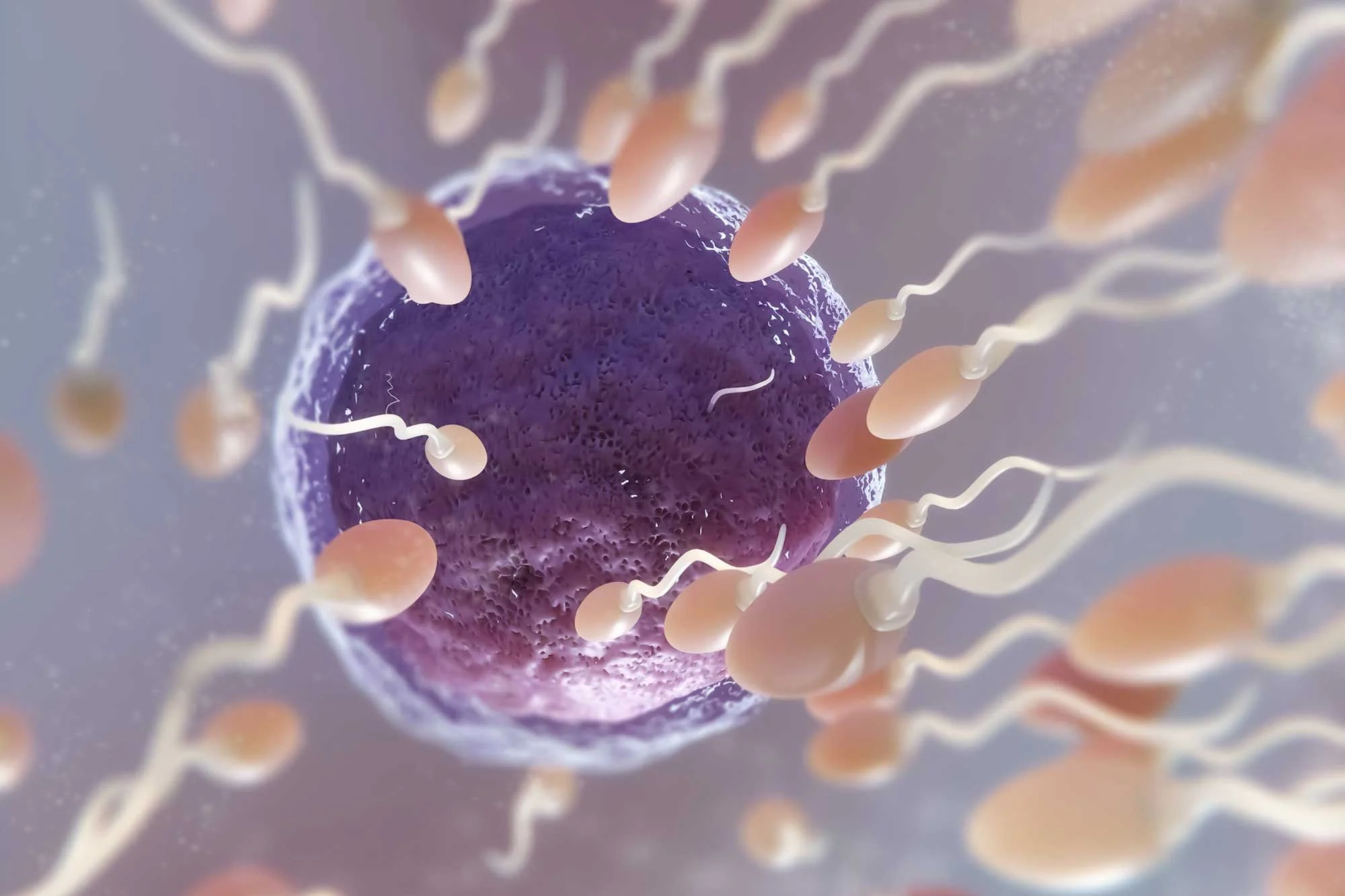
Sperm grow in the testes through a process called spermatogenesis, which takes about 72 to 74 days. Once mature, sperm move into the epididymis, a coiled tube behind each testicle, where they learn to swim.
During ejaculation, sperm travel from the epididymis through the vas deferens and mix with fluids from the seminal vesicles and prostate. The final mixed fluid exits the body. If there’s a blockage or structural problem anywhere along this path, sperm can’t reach the egg.
Some men are born without a vas deferens, while others develop scar tissue from infections or surgeries. Varicocele, or enlarged veins in the scrotum, is one of the most common and fixable causes of poor sperm production.
The Role Of Hormones In Reproductive Health
The brain and testes communicate through something called the hypothalamic-pituitary-gonadal axis. The hypothalamus signals the pituitary gland to release FSH and LH, two key hormones.
FSH helps the testes make sperm, while LH triggers testosterone production—crucial for sperm development and sexual function. If any part of this chain gets disrupted, sperm count and quality can drop.
Conditions like high prolactin, thyroid disorders, or low testosterone all mess with this balance. Thankfully, many hormonal issues respond to medical treatment once blood tests reveal the problem.
Common Signs And Contributing Factors
Spotting a fertility problem isn’t always obvious. Most men don’t notice any symptoms, and the issue only comes up after months of trying to conceive without success.
Both medical issues and daily habits can affect fertility. Sometimes, it’s a combination.
When Difficulty Conceiving May Point To A Male Factor
The most common red flag is not being able to conceive after a year of regular, unprotected sex. Other physical signs can show up, including:
- Pain, swelling, or a lump in the testicles
- Trouble with erections or ejaculation, or less semen than usual
- Reduced facial or body hair, possibly hinting at a hormone problem
- Frequent respiratory infections, which can tie back to certain genetic issues
- A history of undescended testicles or childhood groin surgeries
Sometimes, though, there are no obvious symptoms. About half of all male infertility cases are idiopathic, meaning standard tests don’t find a clear cause. That doesn’t mean you’re out of options—it just means more digging might be needed.
Lifestyle, Medical, And Environmental Influences
Everyday choices can quietly chip away at sperm health:
- Tobacco damages sperm DNA and drops the count
- Too much alcohol throws hormones off balance
- Obesity is linked to lower sperm quality and hormone shifts
- Excess heat from hot baths, saunas, or tight clothes can hurt sperm production
- Workplace chemicals like pesticides, heavy metals, and solvents are bad news for fertility
- Chronic stress lowers testosterone and can mess with sexual function
Medical conditions such as diabetes, genital infections, and certain medications (like steroids or some blood pressure drugs) also play a role. Genetic issues, including Klinefelter syndrome and Y chromosome microdeletions, explain up to 15% of cases.
How Doctors Evaluate Reproductive Problems
Figuring out the root cause starts with a thorough evaluation. Doctors usually begin with a conversation and physical exam, then move on to lab and imaging tests.
Medical History And Physical Examination
Your doctor will ask about your overall health, sexual habits, illnesses, surgeries, and any meds you take. Childhood development questions—like whether you had undescended testicles or delayed puberty—can matter, too.
During the physical exam, the doctor checks your genitals for varicoceles, testicular size and feel, and any structural oddities. Sometimes, they’ll do a rectal exam to check your prostate.
This step helps the doctor decide what tests to order next.
Semen Analysis And Other Diagnostic Tests
Semen analysis is the main test for male fertility. You’ll provide a sample, and the lab checks a few key things:
| Parameter | What It Measures |
| Sperm count | Total number of sperm per millilitre |
| Motility | Percentage of sperm that move effectively |
| Morphology | Shape and structure of sperm |
| Volume | Total amount of semen produced |
| pH and liquefaction | Chemical environment of the sample |
If something looks off, your doctor might order more tests:
- Hormone checks (FSH, LH, testosterone, prolactin, thyroid)
- Genetic testing (karyotype, Y chromosome microdeletion)
- Scrotal ultrasound to spot varicoceles or other issues
- Post-ejaculation urinalysis to look for retrograde ejaculation
- Testicular biopsy if sperm are missing from semen
Usually, you’ll provide two or more samples weeks apart, since sperm quality can change from one sample to the next.
Treatment And Fertility Support Options
Treatment really depends on what’s causing the problem. Sometimes, simple lifestyle tweaks help. Other times, you’ll need meds, surgery, or assisted reproductive technology.
Medicines, Procedures, And Surgical Care
If hormones are the issue, medications can often get things back on track:
- Clomiphene citrate or gonadotropins may boost sperm production
- Antibiotics clear up infections in the genital tract
- Dopamine agonists help with high prolactin
Surgery can fix certain problems:
- Varicocelectomy repairs enlarged veins in the scrotum and often improves sperm quality
- Vasectomy reversal reconnects the vas deferens for men who want to restore fertility
- Surgical sperm retrieval (like TESA or micro-TESE) extracts sperm straight from the testes if none show up in semen
Assisted Reproductive Techniques
If natural conception isn’t possible, assisted reproductive technology (ART) steps in:
- Intrauterine insemination (IUI): Doctors place prepared sperm directly into the uterus during ovulation
- In vitro fertilization (IVF): Eggs and sperm meet in a lab, and embryos go into the uterus
- Intracytoplasmic sperm injection (ICSI): A single sperm is injected into an egg, useful when sperm count or movement is really low
ICSI has honestly changed the game for men with severe infertility. It gives hope in cases that once seemed impossible.
When A Couple May Need Combined Evaluation
Infertility isn’t just one person’s problem. In about 20% of cases, both partners have contributing factors.
Evaluating both partners at the same time saves time, especially if the woman is over 35. It also makes sure treatment tackles all the issues, not just one. Tulip Hospital offer coordinated, multidisciplinary care to make this process smoother.
Daily Habits That May Support Reproductive Health
While medical care addresses specific problems, your daily habits lay the groundwork for healthier sperm. Small, steady changes in food, movement, and environment can add up.
Nutrition, Weight, And Exercise
Eating a diet full of antioxidants helps protect sperm from damage. Try to include:
- Fruits and veggies (berries, tomatoes, leafy greens)
- Nuts and seeds (walnuts, pumpkin seeds)
- Whole grains and lean proteins
- Zinc-rich foods like legumes and dairy
- Folate sources such as spinach and fortified cereals
Keeping your weight in check matters. Obesity changes hormone levels, raises scrotal temperature, and lowers sperm quality. Regular exercise—about 30 minutes most days—helps maintain testosterone and reduces stress.
Don’t go overboard, though. Extreme training can actually suppress reproductive hormones.
Avoiding Heat, Tobacco, Alcohol, And Toxins
Sperm needs a cooler environment, which is why the testes hang outside the body. Protect this by:
- Skipping long hot baths, saunas, and steam rooms
- Wearing loose underwear
- Not resting laptops on your lap for hours
Quit tobacco in all forms. Smoking lowers sperm count, damages DNA, and hurts motility. Limit alcohol, since heavy drinking drops testosterone and disrupts sperm production.
If you’re exposed to chemicals at work, use protective gear and talk to your doctor about any risks.
When To Seek Timely Medical Advice
Getting checked out early gives you more options. Treatable problems can get harder to fix if you wait too long, and time matters for both partners.
Situations That Should Not Be Delayed
See a doctor if:
- You and your partner have tried to conceive for 12 months or more without success
- You have known risks like undescended testicles, genital surgery, or cancer treatment
- You notice pain, swelling, or lumps in the testicles
- You see changes in sexual function, like trouble with erections or ejaculation
- Your partner is over 35, in which case you should seek help after six months
Don’t wait for symptoms to get worse. Some problems, like varicocele or hormone issues, are easier to treat early. Others, such as certain genetic conditions, need early detection so you can explore your options.
Preparing For A Specialist Consultation
Before your appointment, gather these:
- A list of all medications and supplements
- Your medical history, including surgeries, infections, or chronic illnesses
- Notes on lifestyle habits—smoking, alcohol, exercise, diet
- Any previous test results related to fertility or hormones
- A timeline of how long you’ve been trying to conceive
Be honest during your visit. Fertility specialists have seen it all and aren’t there to judge. If you’re in Sonipat or Haryana, finding a qualified urologist, andrologist, or reproductive medicine specialist early can really help.
Frequently Asked Questions
1. What are the most common causes of reduced sperm count or poor sperm quality?
The usual suspects include varicocele, hormone imbalances, genetic issues, genital infections, and lifestyle factors like smoking and obesity. Sometimes, the cause stays a mystery (idiopathic), but that doesn’t mean you’re out of options.
2. Which tests are typically used to evaluate male fertility, and what do the results mean?
Semen analysis is the main test, checking sperm count, movement, shape, and volume. If results look off, doctors may order hormone tests, genetic screening, scrotal ultrasound, or testicular biopsy to dig deeper.
3. How do lifestyle factors like alcohol, smoking, heat exposure, and stress affect fertility?
Smoking hurts sperm DNA and lowers count. Too much alcohol drops testosterone and messes with sperm production. Heat from saunas or tight clothes raises scrotal temperature and slows down sperm creation. Stress can suppress reproductive hormones and affect sexual function.
4. Can hormone imbalances or medical conditions impact sperm production, and how are they treated?
Absolutely. Problems with the hypothalamic-pituitary-gonadal axis—like low FSH, low testosterone, or high prolactin—can directly hurt sperm production. Treatment usually involves meds like clomiphene citrate, gonadotropins, or dopamine agonists, depending on what blood tests reveal.
5. What treatment options are available, from medications and surgery to assisted reproductive technologies?
Doctors often start with hormone-based medications or antibiotics if they find an infection. Sometimes, surgery like varicocelectomy or a vasectomy reversal makes sense, depending on the cause.
If those don’t get results, couples might look into assisted reproductive technologies. IUI, IVF, or ICSI can open doors to pregnancy, even when male factor infertility seems pretty tough to beat.
6. When should a couple seek a fertility evaluation, and what should be done first?
If you’ve been trying to conceive for a year with no luck, it’s time to consider a fertility evaluation. For women over 35, don’t wait—six months is long enough.
Usually, doctors start with a semen analysis for the male partner. At the same time, they’ll recommend a gynecological checkup for the female partner.
It’s best to do both assessments together. That way, you won’t waste precious time waiting for answers.