Kidney stones are one of the most painful medical disorders. People hurry to the emergency hospital in desperation due to their acute pain, nausea, and discomfort. Kidney stones are the consequence of complicated biological processes, despite their appearance. The good news is that with the appropriate understanding, many cases of kidney stones can be averted. To minimize your risk, you must first understand kidney stones, why they form, and how lifestyle and medication decisions can prevent them.
What’s Kidney Stone?
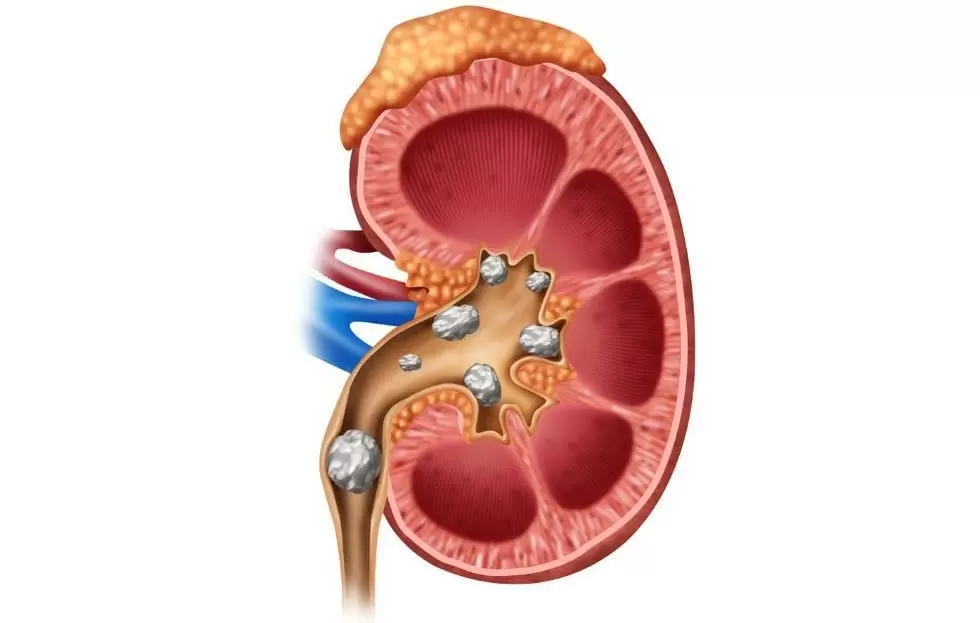
The kidneys create hard mineral and salt deposits called kidney stones. They range from microscopic sand-like grains to big stones that cause significant urinary tract pain. Normal kidney function filters blood waste and surplus fluids into urine. Crystals can occur when urine contains too much calcium, oxalate, or uric acid. Kidney stones may form from these crystals.
Stones can stay in the kidney or migrate into the ureter, bladder, and urethra. They induce severe renal colic when they migrate. While kidney stones are not always fatal, untreated infections and renal damage can result.
Different Kidney Stone Types
Not all kidney stones are alike. Their makeup influences their causes and preventative methods.
The most common variety is calcium stones, generated by calcium and oxalate or phosphate. Many foods include oxalate, which can bond with calcium in the urine to create stones if consumed or produced in excess.
Uric acid stones form in high-protein eaters and gout sufferers. When uric acid levels rise and urine becomes acidic, stones may form.
Though rare, struvite stones grow swiftly and are huge. They often cause recurring UTIs, especially in women.
Overproduction of cystine in the urine causes cystine stones in cystinuria, a rare hereditary disorder.
Knowing the kidney stone type helps doctors tailor preventative methods.
Causes of Kidney Stones?
Kidney stones occur when urine fluids, minerals, and salts are imbalanced. Dehydration is a major cause. When fluids are low, urine concentrates, making minerals crystallize easily. People in hot regions or who sweat a lot are more susceptible to dehydration.
Diet matters too. The kidneys release more calcium into the urine when sodium intake is high, increasing the risk of stone formation. High protein intake boosts uric acid levels, which can cause stones.
Genes matter too. Family history increases kidney stone risk. Obesity, diabetes, and gout increase risk. Diuretics and calcium-based antacids can also cause stones.
Kidney stone symptoms
Small kidney stones are silent, but if they move, symptoms can be severe. Sharp, cramping pain in the back or side below the ribcage is the trademark. This pain may transfer to the lower abdomen and groin as the stone passes through the urinary canal.
Blood in urine (pink, red, or brown) is another sign. Cloudy or foul-smelling urine may indicate a stone infection. Urinating frequently, painfully, nauseated, vomiting, and fever are other warning signals.
These symptoms may indicate other medical concerns, so see a doctor immediately. Ultrasounds and CT scans can detect and measure stones.
Factors Increasing Stone Risk
Kidney stones can affect anyone, although some categories are more likely. Women with repeated urinary tract infections often develop struvite stones, although men are more likely. Stone formation peaks at 30–60 years.
Lifestyle and geography affect risk. In warmer regions, when dehydration is more probable, kidney stones are more common. Sedentary lifestyles, obesity, and bad diets also cause stones.
Hyperparathyroidism, Crohn’s disease, and metabolic problems accelerate stone formation. Understanding these risk factors helps early prevention.
Lifestyle Changes for Kidney Stone Prevention
Lifestyle changes are best for kidney stone prevention. Hydration is a simple but effective strategy. Hydration dilutes urine stone-forming chemicals. Drinking eight to twelve glasses of water to create two liters of pee everyday is recommended by experts.
Dietary changes help too. Since sodium causes extra calcium in the urine, salt intake must be reduced. Limiting fast meals, processed foods, and packaged snacks can help.
Spinach, beets, almonds, and chocolate are high in oxalates, which can cause calcium oxalate stones. Dietary calcium binds oxalates in the stomach and intestines before they reach the kidneys, thus removing it is not advised. Instead, consume milk, yogurt, and leafy greens to balance calcium intake.
Reduce animal protein—especially red meat, organ meats, and shellfish—for uric acid stone risk. Plant-based proteins like lentils and beans are safer.
Weight management with exercise and a balanced diet minimizes risk. Obesity changes urine acid balance, increasing stone formation.
Recurrence Prevention Medicines
Kidney stone sufferers may need medical treatment in addition to lifestyle adjustments. Doctors may prescribe urine-level-regulating drugs. Thiazide diuretics lower urine calcium, while allopurinol lowers uric acid.
Recurrent struvite stones require infection treatment. Rare hereditary disorders like cystinuria may require cystine crystallization-preventing medicines.
For risk assessment, doctors test patients’ urine and blood regularly. They may prescribe a 24-hour urine collection to analyze urine chemistry and create individualized preventative plans.
Problematic Stone Treatments
If prevention fails and stones form, size and placement determine treatment. Hydration and pain management help little stones pass spontaneously. Medical procedures may be needed for bigger stones.
ESWL, which uses sound waves to shatter the stone into smaller fragments that may flow through urine, is a frequent approach. Ureteroscopy uses a tiny scope to identify and remove the stone. Even while minimally invasive procedures have made surgery less prevalent, serious cases may require it.
Preventing recurrence requires treating the cause, regardless of treatment.
Kidney-Friendly Living
The takeaway is that kidney stones are preventable. Most people can lower their risk by staying hydrated, eating well, and addressing risk factors. Understanding your family history, obtaining frequent examinations, and collaborating with a doctor for specific advice can simplify prevention.
Kidney stones produce some of the worst agony, but they also show how lifestyle affects health. Taking precautions today protects kidneys and overall health.