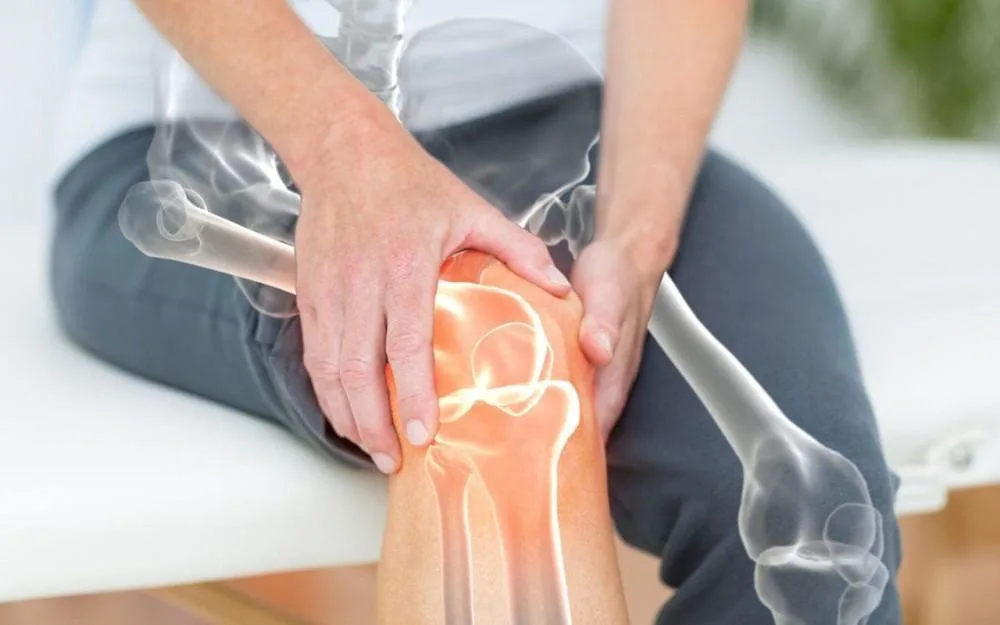
Winter’s tough if you live with osteoarthritis. The colder months often crank up joint pain, make morning stiffness drag on, and really sap your ability to move like you want to.
If you’re in northern India, places like Haryana and Sonipat, the chill from November to February can turn mild discomfort into something much harder to ignore.
Here’s the thing: you can make winter easier on your joints with a few simple tweaks to your routine, clothes, food, and how you manage your treatment. Worsening pain doesn’t have to be an inevitable part of the season.
This guide digs into why cold weather stirs up joint trouble, how to spot flare-ups early, and what you can actually do—at home and with your doctor—to keep moving and feel better all winter.
How Cold Weather Can Affect Joints
When temperatures drop, barometric pressure shifts, and sunlight fades, your joints definitely notice. These changes can tighten tissues, slow your circulation, and thicken the synovial fluid that usually keeps things moving smoothly.
Why Stiffness Often Feels Worse In Winter
As the air gets colder, muscles and tendons contract. That tightening limits your movement and makes simple stuff like opening jars or climbing stairs a real hassle.
- Reduced blood flow means your hands, knees, and hips don’t get as much oxygen and nutrients as they need.
- Less physical activity is pretty common in winter. Sitting around more means your joints stiffen up faster and stay that way longer.
- Muscle tension jumps in the cold, putting extra pressure on cartilage that’s already worn down.
If you spend hours in chilly rooms or avoid going outside, you probably notice the worst stiffness. Staying still is a big culprit.
Weather Sensitivity And Pain Perception
Ever feel your knees ache before it rains or your fingers throb on foggy mornings? You’re not making it up. Research says drops in barometric pressure let joint tissues swell a bit, which can irritate nerves.
Cold weather can mess with your mood and sleep, too. Poor sleep makes pain feel worse, setting off a cycle where you hurt, sleep badly, and then hurt even more. Less daylight can lower your vitamin D, which your bones and joints need.
Not everyone reacts the same way. Some folks feel changes before the temperature even drops, while others only notice pain after days of cold.
Recognizing Common Flare-Up Symptoms
Osteoarthritis flare-ups hit fast—pain, stiffness, and swelling suddenly feel way worse than your usual. Spotting a flare early lets you act quickly with rest, warmth, and whatever care helps before things get out of hand.
Morning Tightness And Reduced Movement
One of the first signs of a winter flare is morning stiffness that just won’t quit. Usually, stiffness eases up within 20 or 30 minutes after you wake. During a flare, it can drag on for an hour or longer.
You might notice:
- Knees that won’t bend easily when you get up
- Fingers that feel stuck or sluggish for the first chunk of the day
- Joints that just don’t move as far as they did last week
If you suddenly can’t move as freely as before, your joints are probably reacting to the cold.
Swelling, Tenderness, And Activity-Related Pain
During a flare, the joint can look a little puffy or feel warm. Pressing around it might feel tender when it usually doesn’t.
Pain that comes with activity is another giveaway. Sitting might be fine, but the second you stand, walk, or use your hands for things like cooking, you get a sharp ache. This pain:
- Gets worse with use and eases up with rest
- Feels deep and aching, not sharp and shooting
- Can wake you up if you roll onto the joint at night
Most flare-ups last three to eight days. If things drag on past two weeks or keep getting worse, check in with your doctor.
Daily Habits That Help Ease Discomfort
Little changes in how you dress, move, and eat can really add up for winter joint comfort. These work best if you stick with them every day, not just when pain flares.
Keeping The Body Warm Safely
Warmth relaxes muscles, boosts blood flow, and helps joint fluid move better. Here are some easy ways to stay warm:
- Layer up. Thermal innerwear under your regular clothes, especially around knees and your lower back, helps a lot.
- Warm water bottles or heating pads on stiff joints for 15 to 20 minutes work wonders. Just don’t put them straight on your skin.
- Take a warm bath or shower in the morning to loosen up before the day starts.
- Keep your home warm. If you don’t have a heater, close windows during the coldest hours.
Don’t use scalding hot water or fall asleep with a heating pad—burns aren’t worth it.
Low-Impact Movement And Joint Mobility
Staying active is huge for osteoarthritis, even in the cold. Just pick gentle exercises that don’t jar your joints.
| Exercise | Best For | Duration |
| Walking indoors or in sunlight | Knees, hips | 20-30 minutes daily |
| Chair-based stretches | Knees, back, shoulders | 10-15 minutes twice a day |
| Gentle yoga or tai chi | Full body flexibility | 20-30 minutes, 3-4 times a week |
| Warm water swimming | All joints | 20-30 minutes, 2-3 times a week |
Always warm up first. Even five minutes of light stretching helps prevent injury and soreness.
Weight Support And Balanced Nutrition
Carrying extra weight puts a lot more pressure on your knees—every extra kilogram adds three to four kilos of force. Keeping a healthy weight makes a big difference.
Focus on:
- Anti-inflammatory foods like turmeric, ginger, leafy greens, walnuts, and fatty fish (or flaxseeds if you don’t eat fish)
- Calcium and vitamin D from milk, curd, paneer, eggs, and getting some midday sun
- Staying hydrated. Warm water, soups, and herbal teas keep joints lubricated
Try to skip excess sugar, processed junk, and fried snacks, since they can ramp up inflammation.
Treatment Options For Ongoing Relief
If daily habits aren’t enough to keep pain in check, medical treatments can help bridge the gap. The right mix depends on your symptoms, which joints hurt, and how much it’s messing with your life.
Medicines Commonly Used For Symptom Control
Your doctor might suggest one or more of these:
- Paracetamol (acetaminophen): Usually the first pick for mild to moderate pain, safe for most when used right.
- NSAIDs: Like ibuprofen or diclofenac, these cut down pain and swelling. You can take them by mouth or use gels and creams.
- Topical capsaicin cream: Rub it on the sore joint for local relief.
- Corticosteroid injections: For rough flares, your doctor might inject a steroid into the joint. Relief can last weeks or even months.
- Hyaluronic acid injections: These imitate joint lubricant, sometimes helping knees that don’t respond to other treatments.
Don’t self-medicate with painkillers for long stretches. Always use them with your doctor’s advice—side effects like stomach ulcers and kidney trouble are real.
Physiotherapy And Guided Exercise
A physiotherapist can build an exercise plan just for you and your problem joints. Physiotherapy usually includes:
- Strengthening muscles around knees, hips, or hands
- Range-of-motion moves to keep joints flexible
- Manual therapy to work out stiffness
- Tips on posture and body mechanics for daily stuff
A lot of people see solid improvement in four to six weeks with regular physiotherapy. Tulip Hospital also has physiotherapists who really get joint care, especially in winter.
Supportive Aids For Knees, Hips, And Hands
Assistive devices can take pressure off joints and help you move with confidence:
- Knee braces or sleeves give compression and warmth—great for walking
- Walking sticks or canes shift weight off a sore hip or knee
- Grip tools for jars, taps, and doorknobs protect your fingers
- Cushioned, non-slip shoes absorb shock and ease knee strain
Pick aids that fit you well. Badly fitted braces or shoes can actually make things worse.
Preventing Winter Setbacks At Home
Your home setup matters more than you might think for joint health in winter. A few tweaks can help you avoid falls, cut down joint strain, and stay more independent when it’s cold.
Safe Walking Surfaces And Fall Prevention
Cold, damp floors and slippery spots are risky when your joints are stiff and balance is off. Falls can mean fractures or more joint damage, setting you back for weeks.
Try these:
- Non-slip mats in the bathroom, kitchen, and by the door
- Clear walkways—no shoes, wires, or clutter in the way
- Grab bars by the toilet and in the shower
- Good lighting in halls and on stairs, especially early or late in the day
- Sturdy slippers with rubber soles—skip bare feet on cold tiles
If you have stairs at home, plan your day so you’re not going up and down more than you need to.
Pacing Chores Without Overloading Joints
Winter means extra chores—carrying blankets, washing heavy clothes, prepping bigger meals. Doing too much at once can trigger a flare that leaves you stuck for days.
Pace yourself. Break tasks into smaller chunks and rest in between.
- Do dishes in two rounds instead of one long slog
- Sit down to chop veggies or fold laundry
- Switch between heavier jobs (like mopping) and lighter ones (like dusting)
- Ask family to help with heavy lifting
If a joint starts aching, stop, rest, use some warmth, and come back to it later.
When Medical Evaluation Is Important
Most winter flares can be handled at home with warmth, rest, gentle movement, and maybe some over-the-counter meds. But sometimes you need a doctor’s help to check for bigger problems or tweak your treatment.
Warning Signs That Need Prompt Attention
Call your doctor or head to the hospital if you notice:
- Pain that won’t go away after two weeks of home care
- Sudden, big swelling in a joint that was fine before
- Joint giving out or buckling when you walk—could mean muscle weakness or damage
- Pain that keeps you up most nights
- Fever with joint pain, which might mean infection, not just a flare
- Numbness, tingling, or redness around the joint
These could mean your arthritis is getting worse, cartilage is damaged, or you’ve got a new injury that needs a closer look.
Preparing For An Orthopedic Or Rheumatology Visit
A little prep goes a long way before seeing your doctor.
- Write down when symptoms started and what helps or makes them worse
- Track pain levels on a 1-10 scale for a week beforehand
- List all meds and supplements you’re taking, even home remedies
- Jot down questions so you don’t forget during the visit
- Bring any old X-rays or reports if you have them
Your doctor might order blood tests, X-rays, or an MRI to check your joints. Depending on the results, you might get new meds, injections, or a referral to physiotherapy. In Sonipat and Haryana, Tulip Hospital offer orthopedic and rheumatology consults to help build a winter game plan.
Frequently Asked Questions
1. Why do joint symptoms often feel worse in cold or damp weather?
Cold tightens muscles and tendons, slows blood flow, and makes joints stiffer. Barometric pressure drops let joint tissues swell a bit, irritating nerves and cranking up pain. Plus, poor sleep and less activity in winter just make everything feel worse.
2. What daily habits can reduce stiffness and pain during colder months?
Layer up your clothes, use warm compresses for 15 to 20 minutes, take a warm shower in the morning, and stay active with gentle exercise. Eat anti-inflammatory foods like turmeric, ginger, and leafy greens, and keep hydrated with warm drinks.
3. Which low-impact exercises are safest when it is cold outside?
Indoor walking, chair stretches, gentle yoga, tai chi, and warm water swimming are all safe. These keep your joints flexible and muscles strong without stressing cartilage. Always start with five minutes of light stretching.
4. How can heat and cold therapy be used effectively for flare-ups?
Grab a warm compress or heating pad, and put it on the sore spot for about 15 to 20 minutes. That usually helps loosen up stiff joints and gets the blood flowing a bit.
If you’re dealing with sudden swelling or inflammation, reach for a cold pack instead. Just make sure you wrap it in a cloth and keep it on for 10 to 15 minutes.
Never put heat or cold directly on bare skin—nobody wants a burn or frostbite. And don’t forget to give your skin a break between sessions.
5. What type of clothing, braces, or footwear can improve comfort and mobility in winter?
Thermal innerwear and woolen knee caps do a surprisingly good job at keeping your joints warm. Layering up with clothing helps too, even if it feels bulky sometimes.
Knee braces or compression sleeves add a bit of support and gentle warmth when you’re moving around. They’re not magic, but they can make a difference.
Shoes matter more than people realize. Go for cushioned, non-slip ones with solid arch support—your knees and hips will thank you, and you’re way less likely to slip on icy sidewalks.