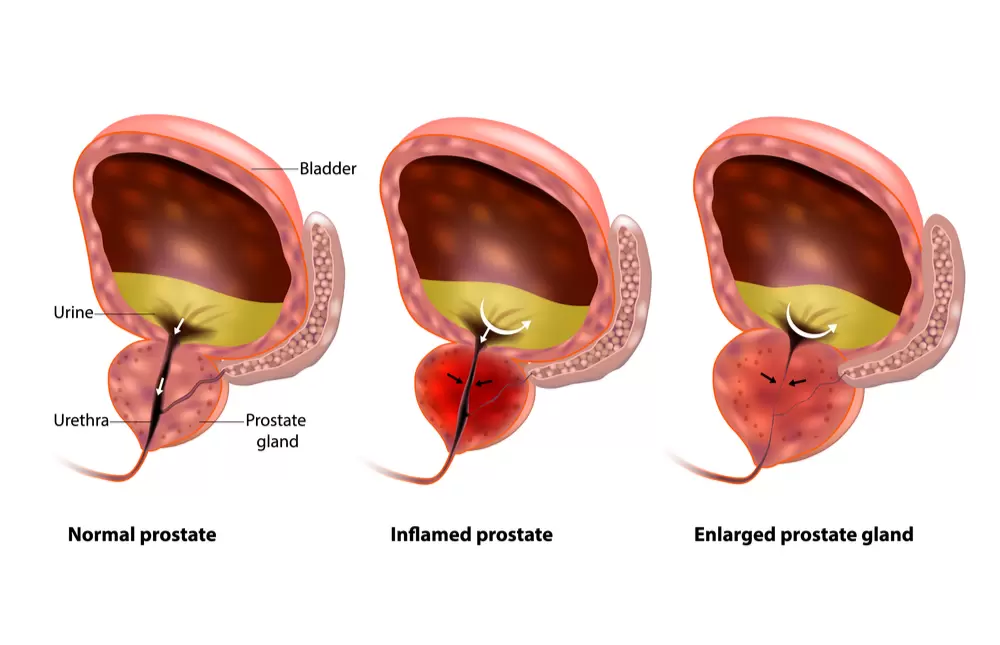
Men’s prostates are walnut-shaped glands below the bladder. The major function is to make seminal fluid, which feeds and transports sperm. Early adulthood prostates are tiny, but they normally increase with age. In many men, this growth might cause benign prostatic hyperplasia (BPH), or an enlarged prostate.
BPH does not cause prostate cancer, but it can lower a man’s quality of life. This is because the prostate surrounds the urethra, which carries urine out. Urinating can be uncomfortable as the prostate enlarges and presses on the urethra.
As men age, they must understand enlarged prostate symptoms, hazards, and treatments. Though frequent, over half of males over 50 and the majority over 70 have the illness. Early detection and treatment can improve management.
Prostate Enlargement Reasons
Age-related prostate enlargement is thought to be caused by hormonal changes. As men age, testosterone levels fall and DHT accumulates in the prostate. This imbalance may promote prostate development. DHT’s effect on the prostate gland may potentially be enhanced by estrogen, which is stable in men.
Genetics also affect BPH risk. Family history of prostate issues increases risk. Lifestyle variables like obesity, inactivity, and diet may worsen the illness.
Common Prostate Enlargement Symptoms
Urination is a major effect of an enlarged prostate. Since the prostate surrounds the urethra, its development can disrupt urine flow. Gradually developing symptoms may intensify.
BPH men often have nocturia, or increased urine frequency at night. They may need to urinate urgently but have a weak or intermittent stream. Urinating can be difficult, and the bladder may not empty entirely, leaving a full feeling.
Urinating and dribbling can be painful and irritating. After starting urinating, some men have trouble stopping. These symptoms can impair sleep, productivity, and emotional well-being over time.
Note that symptoms do not necessarily match prostate size. Mildly enlarged prostates might cause severe urinary issues, whereas considerably enlarged glands may cause only minor pain.
Risks of Prostate Enlargement
Although BPH is not life-threatening, ignoring symptoms might cause major problems. Urinary retention—inability to empty the bladder—is a major risk. Catheterization may be needed due to severe pain.
As bladder muscles weaken from pushing urine through a constricted urethra, chronic urinary retention can harm the bladder. UTIs are another issue. Bacteria multiply more in the bladder when urine stays longer, increasing infection risk.
Untreated BPH can cause bladder stones, renal damage, and kidney failure owing to urine backflow. These hazards emphasize the need for early symptom diagnosis and treatment.
When to See Doctor
Many men avoid discussing prostate difficulties out of embarrassment or the idea that urinary issues are part of aging. However, knowing when to seek expert aid is crucial.
Consult a urologist if you have frequent midnight urination, poor urine flow, painful urination, or trouble emptying your bladder. Blood in the urine, recurring UTIs, or sudden inability to urinate require prompt medical attention.
Men can avoid issues and explore treatment alternatives that can greatly enhance quality of life by getting medical counsel early.
Diagnosis of Prostate Enlargement
Urologists start diagnosis with a complete medical history and a physical exam, including a DRE to feel the prostate’s size and form. PSA blood tests can rule out prostate cancer.
Other diagnostic methods include prostate ultrasound, urine flow testing, and bladder scans for incomplete emptying. Cystoscopy, which inserts a small camera into the urethra, can directly observe the urinary tract.
These tests let the doctor assess severity and choose treatment.
Modern Prostate Enlargement Treatments
BPH is treatable, and men have more alternatives than ever. Symptom severity, prostate size, health, and personal preferences determine the optimal treatment.
Men with minor symptoms may benefit from “watchful waiting”. This requires monitoring and lifestyle adjustments like cutting coffee and alcohol, restricting nighttime fluids, and bladder training.
Medication is generally first for more severe symptoms. Tamsulosin and other alpha-blockers relax prostate and bladder neck muscles, making urination simpler. Finasteride and other 5-alpha-reductase inhibitors diminish DHT levels to shrink the prostate. Some patients receive both drugs for greater results.
For males who don’t respond to medicines, minimally invasive procedures are available. Small implants raise and keep prostate tissue away from the urethra, improving urine flow without removing tissue, making UroLift a popular procedure. Rezūm therapy employs steam to naturally reduce the prostate gland by destroying superfluous tissue.
Transurethral prostate resection (TURP) may be recommended in extreme situations. This long-standing surgery removes prostate tissue to ease urethra strain. Modern laser operations like holmium laser enucleation of the prostate (HoLEP) reduce bleeding and recovery time.
Lifestyle Changes for Treatment
Lifestyle adjustments can help manage symptoms with medical therapy. Maintaining a healthy weight, exercising, and eating a balanced diet with vegetables, fruits, and whole grains helps prostate health. Avoiding salt, spicy foods, and processed foods may also help.
Limited fluid intake in the evening can limit midnight bathroom trips, while double voiding—urinating, waiting, then attempting again—can assist empty the bladder. Avoiding decongestants and antihistamines, which constrict bladder neck muscles, may also help.
These minor changes, together with medical care, can simplify daily life.
BPH’s Emotional and Social Impact
Besides physical pain, BPH can damage mental health. Nighttime urination disturbs sleep, causing weariness, irritation, and decreased productivity. Men who are embarrassed by urine urgency or accidents may withdraw from social activities.
If untreated, this emotional strain can cause worry, stress, and depression. Talking to a doctor, joining a support group, or getting counseling might help men cope with the psychological implications of an enlarged prostate.
Moving Forward: Prostate Treatment Advances
BPH patients have optimism as medical research advances. Current research are investigating targeted pharmacological therapy, enhanced minimally invasive procedures, and regenerative medicine to restore prostate function without surgery.
The focus is turning toward medicines that provide prolonged relief with fewer side effects, faster recovery, and sexual function maintenance. Technology will provide men with more personalized and effective treatments for this problem.
Conclusion
Men often have an enlarged prostate as they age. Although rarely life-threatening, the symptoms can severely impair everyday comfort and quality of life if ignored. Understanding the warning signals, receiving prompt medical assistance, and investigating current treatment choices can help men manage their health.
Men no longer need to suffer in silence thanks to modern medicine. Effective treatments include lifestyle modifications, medicines, minimally invasive procedures, and surgery. Early diagnosis and open communication with a reputable urologist are crucial.
Men may safeguard their urinary health, maintain confidence, and live better in old age by keeping aware and proactive.