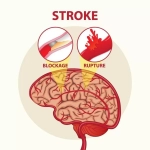
First-time neurosurgeon visits might be scary. People think of difficult brain surgery or dangerous illnesses when they hear “neurosurgeon”. Visits do not always result in surgery. Most first sessions are consultations to assess your symptoms, examine your medical history, and discuss surgery and non-surgical treatment options. Many brain, spine, and nervous system diseases can be treated with drugs, treatment, or minimally invasive operations by neurosurgeons. Your initial visit should provide clarity, guidance, and reassurance.
Appointment Prep
Prepare for your neurosurgeon visit. Bring any MRI, CT, X-ray, or blood test findings. These materials help the professional understand your problem. Note when, how often, and what improves or worsens symptoms like headaches, numbness, dizziness, back pain, or loss of balance. Write down these details to avoid forgetting them during the consultation. If you have allergies or previous surgeries, state them and your meds. The neurosurgeon can better analyze your problem with further information.
Initial Discussion: Medical History and Symptoms
The neurosurgeon will discuss your health and medical history on your initial visit. This chat helps them understand your symptoms and potential underlying causes. They may inquire about your lifestyle, family medical history, and past injuries or illnesses. Your spine doctor may ask about your posture, work habits, and physical activity. Questions regarding memory, focus, headaches, and emotions may arise with brain disorders. This phase helps the doctor understand your neurological health before offering testing or therapies.
The Neurological Exam
Following your symptoms, the neurosurgeon may perform a basic neurological evaluation. This non-invasive test evaluates your brain, spinal cord, and nerves. Doctors may assess muscle strength, reflexes, coordination, eyesight, and balance. Walk a few steps, follow a finger with your eyes, or respond to light skin touches. These easy tests can determine if your symptoms are nerve or brain-related. The evaluation also determines the afflicted nervous system area.
Previous Tests and Scans Review
Your neurosurgeon will carefully evaluate previous imaging tests during your appointment. MRI and CT scans assist doctors diagnose disc herniations, tumors, aneurysms, and nerve compression by showing brain and spine structure. The neurosurgeon may show you the scan photos to explain what’s apparent. You can better comprehend your body with this visual explanation. To clarify a diagnosis, the doctor may order more imaging or blood testing.
Discussion of Diagnosis
Your neurosurgeon will explain the diagnosis after reviewing your history, exam, and imaging. This talk is crucial to your visit. The neurosurgeon will explain the disease, symptoms, and health implications. They’ll discuss its severity and suitability for non-surgical treatment. Knowing your diagnosis might reduce pre-appointment anxiety.
Exploring Treatment Options
Complex operations and detailed treatment programs are taught to neurosurgeons. They will review all treatment choices, starting with the least intrusive, during your visit. Your diagnosis may require medication, physiotherapy, lifestyle changes, or pain management. If surgery is needed, the neurosurgeon will explain why, what, how long, and what to expect. They’ll outline dangers and benefits to help you decide. Remember that surgery is only suggested when other therapies fail or the disease is dangerous.
Answering Your Questions
You can ask questions on the initial consultation. It’s normal to worry about your condition, treatments, and future. Ask your neurosurgeon about your sickness, recuperation, lifestyle limits, and second opinions. Ask about success rates, follow-up appointments, and post-treatment support or therapy. Neurosurgeons explain things clearly because they know patients are nervous. A good consultation is informative and supportive, not hasty or confusing.
No Surgery Right Away
Many people think visiting a neurosurgeon entails surgery, but that’s not true. Most neurosurgical patients are treated conservatively first. Rest, medicine, or physiotherapy can help mild disc herniations, nerve compression, and headaches. Surgery is needed only when symptoms worsen or disrupt key functions like movement or eyesight. The neurosurgeon ensures safe, effective care, which may not involve surgery.
Emotions of the First Visit
Nervous before seeing a neurosurgeon is typical. A brain or spine condition might be scary. Once they grasp their situation and alternatives, most patients feel calmer after their initial session. Neurosurgeons and their associates strive to make patients and families feel heard and cared for. Bringing a loved one to your consultation might help with note-taking, questioning, and emotional support.
Progress and Next Steps
The neurosurgeon will explain next measures before leaving. This may include scheduling additional tests, referring you to a physiotherapist or neurologist, or scheduling a follow-up. Sometimes you need a few days to consider your therapy options. The doctor may also write down medication, lifestyle, and precaution suggestions until your next visit. These suggestions can stabilize your condition and prevent further difficulties, so follow them diligently.
Maximizing Your Consultation
Prepare and be honest about your symptoms and lifestyle to maximize your visit. Mention even minor mood, tingling, or weakness changes. Your neurosurgeon can better assess your health with these details. A diary of symptoms, pain, and triggers can aid with future sessions. Finally, remember that the neurosurgeon is your partner in care, providing expertise, empathy, and precision.
Fear to Understanding: Conclusion
Your first neurosurgeon visit need not be scary. This is the start of knowing your condition and finding the proper treatment. The consultation will identify the origin of your symptoms, explain medical findings, and suggest non-surgical treatments. Neurosurgeons help you gain confidence through open conversation, straightforward explanations, and compassionate assistance. Knowledge empowers you to manage your neurological health and restoration.