Quality of life depends on eye health, one of the most critical organs. Choosing the right eye doctor is crucial for routine vision correction and complex eye diseases. Ophthalmologists can provide comprehensive care, but choosing one that meets your needs promotes effective treatment, comfort, and long-term eye health.
The correct eye doctor addresses your urgent concerns and leads preventive care to prevent glaucoma, diabetic retinopathy, cataracts, and macular degeneration. To choose a qualified specialist, consider their skills, experience, communication style, and technology.
Understanding Eye Specialist Types
Understanding eye care experts’ functions is the first step in choosing a specialist. Ophthalmologists diagnose, treat, and operate on eyes. They treat ordinary and severe medical and surgical eye disorders.
Optometrists specialize in vision correction, eye exams, and common eye ailments. They prescribe glasses, contact lenses, and drugs in some areas. However, opticians fit and dispense corrective lenses but do not diagnose or treat eye problems.
Choosing amongst these providers depends on your needs, such as a routine vision check, surgery, or chronic eye problem maintenance.
Evaluation of Credentials
When choosing an eye doctor, check their credentials. Medical school, ophthalmology training, and board certification are required for eye specialists. Professional associations accredit specialists to ensure they follow best practices and continue studying.
Checking credentials gives you confidence the professional can handle your individual eye care demands. Experience handling glaucoma, diabetic retinopathy, or juvenile eye problems may also affect your choice. A qualified specialist provides optimal care using medical knowledge, surgical skills, and modern methods.
Specialization and Experience
Choose an eye expert with experience, especially if you have a specific condition that needs tailored care. Experts in treating unusual or difficult eye illnesses are more likely to find solutions.
A cataract surgeon with many successful treatments will give you more confidence and better results. Refractive procedures, retinal illnesses, corneal diseases, and pediatric eye care require specialization. Choosing a professional with expertise in your region offers precise and effective care.
Assessing Diagnostic and Technology Tools
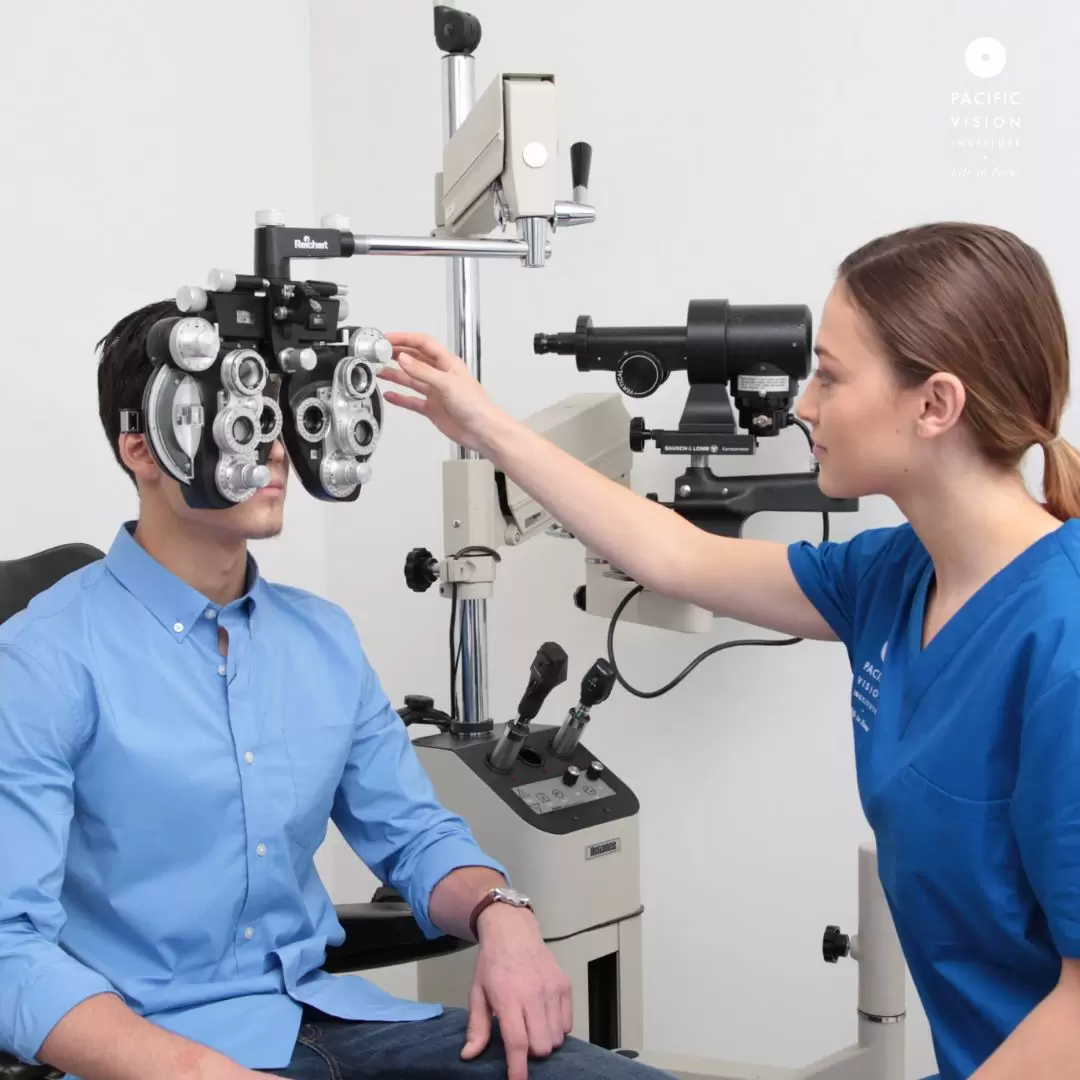
For precise diagnosis and treatment, modern ophthalmology uses advanced technologies. Choose an eye doctor with cutting-edge diagnostic technologies for better care. Optical coherence tomography, fundus photography, slit-lamp microscopes, and digital retinal imaging detect hidden problems early.
Advanced equipment helps your specialist discover subtle abnormalities, track illness development, and offer the best treatments. Discussing clinic tools and technologies might reveal care quality.
Communication and Patient Comfort
Effective eye doctors listen, clarify conditions, and involve patients in decision-making. Understanding your diagnosis, treatment options, and preventive measures requires good communication. A specialist who answers inquiries and clarifies concerns makes the experience more pleasant and knowledgeable.
Clinic atmosphere, appointment scheduling, and staff support can contribute to patient comfort. Choosing a patient-focused specialist ensures easy, stress-free appointments, especially for long-term therapy or surgery.
Consider Reviews and Advice
Online evaluations, testimonials, and word-of-mouth recommendations reveal an eye specialist’s quality. Other patients’ positive experiences can suggest trustworthiness, expertise, and patient happiness.
You can also ask friends, relatives, or primary care doctors for referrals. Reviews should not be the only factor, but they provide practical insights that supplement professional credentials and expertise.
Accessibility, Location
Clinic location and accessibility can affect your experience. Regular checkups, post-surgery, and emergency visits need convenience. Choosing a nearby specialist offers prompt care and avoids travel stress.
Also consider weekend and after-hours appointment scheduling. Accessibility helps maintain consistent care and treatment strategies, especially for chronic diseases requiring frequent monitoring.
Insurance and Cost
Specialist, technique, and clinic facilities affect eye care expenses. Consider cost without sacrificing quality. Checking if the specialist accepts your insurance or offers flexible payment choices might reduce financial stress.
Talking about prices helps you decide on treatments and surgeries. Transparency about pricing and treatment alternatives helps patients trust their eye doctors.
Assessing Service Range
Right eye expert should provide comprehensive services that meet your needs. Routine eye exams, vision correction, disease management, preventive care, and surgery are included. Specialists that offer many services in one clinic simplify care, eliminate referrals, and maintain treatment continuity.
Chronic illnesses like glaucoma and diabetic retinopathy require constant monitoring and management. Besides general care, specialist clinics offer convenience and better care.
Child and Senior Considerations
Different ages require different eye care. Pediatric patients need amblyopia, strabismus, and congenital cataract specialists. Older persons often have cataracts, macular degeneration, and glaucoma.
Selecting an eye specialist who understands your age-specific needs ensures targeted prevention, treatment, and follow-up. Age-appropriate care improves outcomes and lifetime eye health.
Developing a Partnership
Finding the appropriate eye doctor is about a long-term relationship for eye care. Regular examinations, early detection, and prompt interventions require continuity of care.
A competent specialist who knows your medical history, lifestyle, and vision needs can advise you. It promotes proactive eye health management to prevent major problems and preserve vision.
Conclusion: Choosing Wisely
To choose the right eye expert, examine qualifications, experience, technology, communication, accessibility, and services. The proper specialist provides effective, tailored care for routine vision correction, chronic disease management, and surgery.
You can choose a professional who suits your needs by researching, asking questions, and evaluating your options. A skilled eye doctor cures existing concerns and advises on preventive care, ensuring your vision for years.
Choose the proper eye doctor to protect one of your most precious senses—the ability to see clearly and enjoy life.