UTIs, one of the most common bacterial illnesses, impact millions of individuals annually. Due to anatomy, hormones, and lifestyle, women are more likely to get UTIs than males. These infections may seem small, yet unchecked they can cause kidney infections. To maintain urinary health, women must understand why they are at increased risk, what symptoms to watch for, and how to keep safe.
UTIs: What Are They?
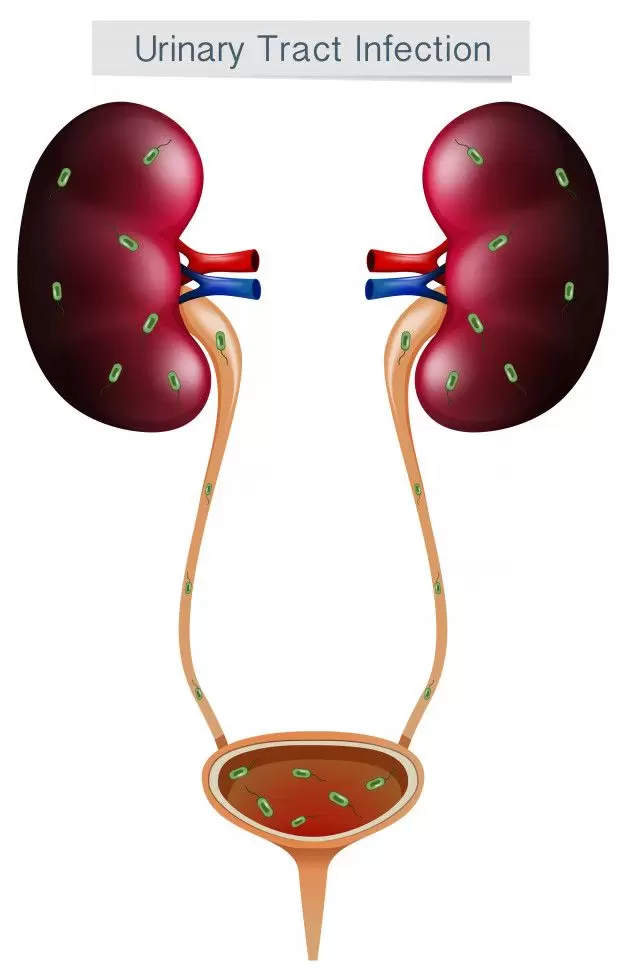
When stomach bacteria, usually Escherichia coli (E. coli), enter the urine tract and grow, a urinary tract infection ensues. Kidneys, ureters, bladder, and urethra comprise the urinary tract. Infection usually begins in the urethra and bladder, causing discomfort, burning, and frequent urination. Mild infections may recover quickly, but recurring or untreated infections can damage the kidneys and create major health issues.
Why Women Get More UTIs
UTIs are more common in women than men, and over half of them will get one in their lifetime. This elevated risk has several causes.
The most significant factor is anatomy. Female urethras are shorter than male ones, making it easier for bacteria to enter the bladder. Women’s urethral entrance is closer to the anus, making digesting microorganisms more likely to reach the urine canal.
Hormones matter too. Hormonal changes and bladder pressure increase infection risk during pregnancy. Lower estrogen levels after menopause weaken vaginal and urethral tissues, lowering microbial protection.
Sexuality also helps. Spermicides and diaphragms increase the risk of urinary tract bacteria from intercourse. These variables make women more susceptible to UTIs than males.
Common UTI Symptoms
Most urinary tract infections have distinct symptoms that should not be disregarded. The most common symptom is a regular, urgent desire to urinate, even with little urine. Many women feel burning or stinging during urinating.
Cloudy or strong-smelling urine, lower abdominal pain, and blood in the pee are some signs. If the kidney infection spreads, fever, chills, nausea, and back discomfort may occur. These early warning symptoms must be recognized to start therapy and avoid problems.
Risk factors for UTIs
All women are at risk of UTIs, but several circumstances increase their risk. Because bacteria can enter the urethra during intercourse, sexually active women get more infections. Pregnancy raises risk because hormonal changes delay urine flow and let bacteria multiply.
Contraceptives, especially spermicides, may increase infection risk. Women who have had a UTI are more likely to get another. Due to low estrogen and weaker urinary tract defenses, postmenopausal women are at danger.
Diabetes can impair immunity, increasing vulnerability. Incomplete bladder emptying, frequently owing to anatomical or neurological issues, lets germs grow. Knowing these risk factors can help women protect themselves.
UTI Diagnosis
Seek medical assistance if you suspect a UTI. The diagnosis usually begins with a physical exam and discussion of symptoms. The most common diagnostic test checks urine for germs, white blood cells, and blood. Recurrent UTIs or potential complications may require a urine culture to identify the causative bacteria.
Doctors may offer ultrasounds or CT scans for recurrent UTI sufferers to look for structural abnormalities. Chronic cases may warrant cystoscopy, a bladder-examining technique using a tiny camera. Early and precise diagnosis enables proper therapy and reduces problems.
Options for UTI Treatment
Standard treatment for UTIs is antibiotics. Specific medication and length of treatment depend on infection severity and first-time or recurrent status. Most uncomplicated infections can be treated in a few days, but medications must be finished to prevent recurrence.
Doctors may offer extended low-dose or post-intercourse preventative antibiotic regimens for frequent infection-prone women. Drinking water helps remove bacteria from the urinary tract together with medicines. To ease urination, painkillers may be administered.
Doctors may advocate a “watch and wait” approach with increased hydration and monitoring for minor illnesses. This should only be done under medical supervision to avoid consequences.
Untreated UTI Complications
UTIs are often treatable, but neglecting them can cause major health problems. One of the most serious consequences is pyelonephritis, kidney infection. Severe kidney infections can cause lifelong damage, high fever, and sepsis.
Repeated infections damage the bladder and urine system, causing persistent pain and lower quality of life. Untreated UTIs in pregnant women can cause early birth and low birth weight. Identifying symptoms early and taking treatment to avoid long-term effects is crucial.
Daily Habits to Prevent UTIs
Simple but effective lifestyle changes can prevent urinary tract infections. Hydration is one of the best preventive measures since it flushes bacteria before they proliferate. Urinating after sexual activity removes microorganisms from the urethra and is suggested.
Good hygiene is crucial. Women should always wipe from front to back after using the restroom to avoid anal bacteria from reaching the urethra. Avoiding tight clothing and wearing breathable cotton underwear reduces moisture, making bacterial growth less likely.
Avoiding harsh feminine hygiene products like douches and perfumed sprays is crucial. These can cause urinary tract irritation and disrupt protecting bacteria. A nutritious diet with probiotics may balance microorganisms in the body and enhance urinary wellness.
Hormones and Menopause in UTI Risk
Urinary health is affected by hormonal fluctuations in women. Pregnancy hormones and uterine pressure reduce urine flow, increasing infection risk. After menopause, estrogen levels diminish, causing urinary tract tissue changes that increase infection risk.
Vaginal estrogen treatment may help postmenopausal women repair urinary tract defenses. Discussing these options with a doctor can significantly reduce recurrent UTIs at this age.
When UTIs Recur
For many women, UTIs are recurring issues that impair daily living. Recurrent UTIs are two or more infections within six months or three within a year. Anatomical variances, chronic diseases, and resistant microorganisms may cause recurring infections, requiring more examination.
Depending on the cause, doctors may prescribe prophylactic antibiotics, lifestyle changes, or specialist treatments. Women with repeated UTIs should not overlook the problem because they can weaken the urinary system and cause long-term damage.
When to See Doctor
Minor urinary discomfort may be tempting to ignore, but consult a doctor if symptoms develop. Fever, back pain, and blood in the urine may suggest a spreading infection. Medical treatment is especially important for pregnant women, diabetics, and those with recurring infections.
Early diagnosis and treatment relieve pain and prevent infection from worsening. A trusted urologist or gynecologist can guide treatment and offer individualized risk reduction suggestions.
Conclusion
Urinary tract infections, which disproportionately impact women, are frequent yet underdiagnosed. Anatomy, hormones, sexual activity, and other risk factors render women more susceptible to these illnesses than men. Early detection, risk assessment, and prevention can improve urinary health.
Antibiotics and lifestyle modifications can heal most UTIs, but untreated infections can cause kidney damage. Awareness and prompt action are essential. Working with a doctor can help women with repeated UTIs find causes and find long-term relief.
Women may safeguard their urinary tract health, alleviate pain, and avoid serious consequences by being aware and proactive. Empowerment begins with awareness, and urinary health knowledge protects.