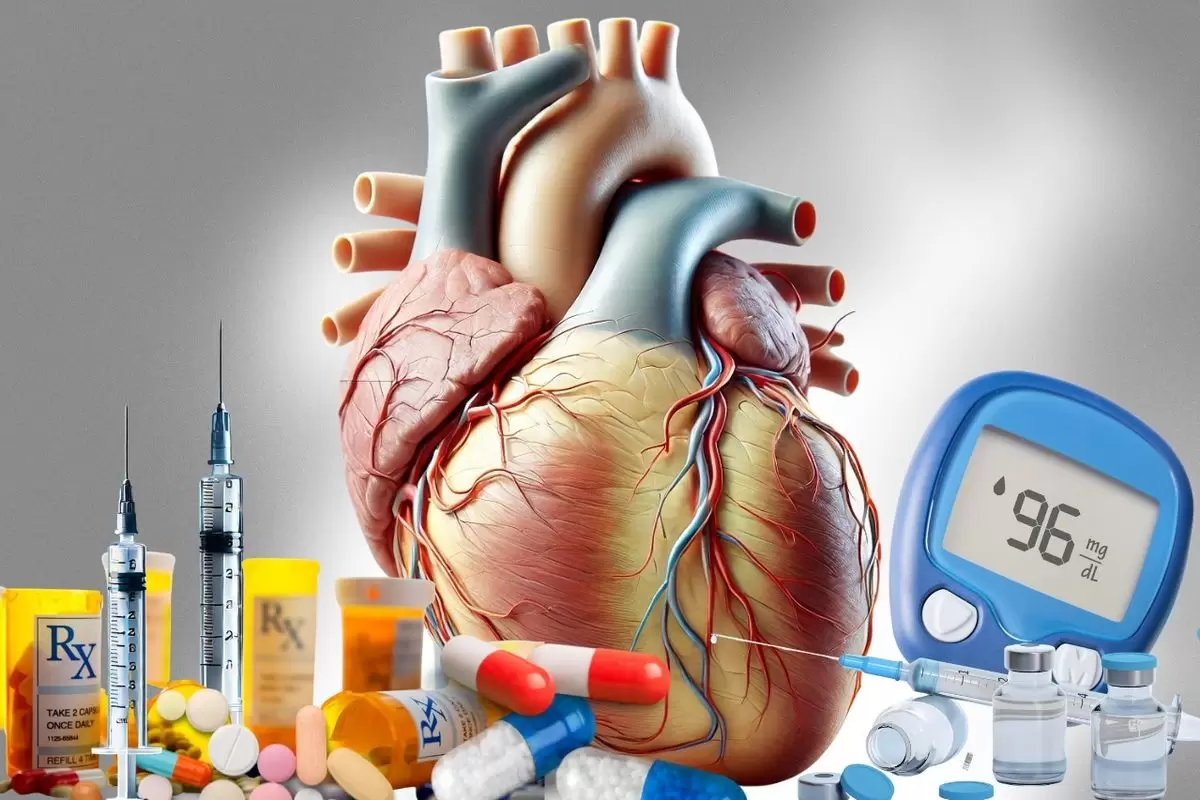
Effective prevention and control can lower many diabetes and heart attack risks. Blood sugar control is crucial, but excessive blood pressure, cholesterol, and obesity must also be managed. Doctors call this holistic approach controlling the ABCs: A for A1C, B for blood pressure, and C for cholesterol.
Healthy lifestyle changes underpin prevention. This includes eating more fruits, vegetables, whole grains, lean proteins, and healthy fats and less processed food, sugary drinks, and salt. Also important is regular exercise. Moderate exercise like 30 minutes of brisk walking most days can improve insulin sensitivity, weight control, and heart attack risk.
Diabetes patients must quit smoking. Smoking alone destroys blood arteries and doubles heart disease risk. Smoking increases heart attack risk significantly when paired with diabetes.
Heart health also depends on weight. Weight loss improves insulin sensitivity, blood pressure, cholesterol, and inflammation, making the heart healthier.
Medication Risk-Reduction Strategies
Diabetes’s increased heart attack risk is managed by lifestyle changes and medications. Diabetics have a higher baseline risk, therefore doctors may prescribe blood pressure and cholesterol drugs even if they are modestly increased.
Recently developed diabetic drugs including SGLT2 inhibitors and GLP-1 receptor agonists decrease blood sugar and improve heart health. These diabetic drugs minimise the risk of heart attack, stroke, and heart failure and are becoming standard treatment.
Even without heart disease, diabetics are prescribed statins to lower cholesterol and protect the heart. Given their heart and renal protection, ACE inhibitors and angiotensin receptor blockers are also commonly utilised.
Regular Monitoring and Checkups
Diabetes patients need regular visits to monitor blood sugar and cardiovascular health. Kidney function, cholesterol, blood pressure, and heart function tests are performed periodically.
Some diabetics, especially those with heart disease or high risk, may be prescribed aspirin. Aspirin can increase bleeding risk, hence it should only be used under medical supervision.
Continuous communication with doctors ensures that treatment plans are changed and risk factors are addressed before difficulties arise.
Effects of Early Intervention
Early intervention can greatly improve outcomes. Diabetes management at diagnosis can prevent or delay heart disease and heart attacks. Even with heart disease, tight diabetes and risk factor management can prevent problems and improve quality of life.
Early screening and more frequent monitoring can help those with a family history of diabetes or heart disease discover problems sooner. Understanding your risk and acting early is one of the best methods to prevent diabetes-related heart attacks.
Promoting Education and Awareness
Education about diabetes and heart attack risk is crucial for public health. Diabetes patients may not realise how closely their condition is linked to heart disease, delaying preventive care.
Diabetes patients may take charge of their heart health with education programs that emphasise managing all cardiovascular risk factors, not just blood sugar. Community programs that promote healthy lifestyles, smoking cessation, and regular exercise can help reduce diabetes-related heart attack risk.
Family and carers can help by promoting lifestyle modifications and medication and appointment adherence. Diabetes patients find it easier to maintain healthy habits in a supportive setting.
Silent Disease’s Unique Challenge
Diabetes and heart disease might go undiagnosed for years, making heart attack risk management difficult. Diabetes can leave many diabetics unaware of artery or heart muscle damage.
Routine screening and proactive management are crucial. Significant damage may have happened before symptoms like chest discomfort or shortness of breath appear. Regular exams, lab testing, and doctor visits can identify and treat issues early.
Gender-Specific Risks for Women
Diabetes presents specific heart disease challenges for women. Diabetes eliminates the 10-year delay in heart disease development for women. Diabetes accelerates heart disease and worsens heart attacks in women.
Women’s heart attack symptoms may differ from chest discomfort. Women are more prone to report weariness, nausea, breathlessness, and jaw, neck, or back discomfort. Atypical symptoms might delay diagnosis and treatment.
Due to these considerations, women with diabetes should be extremely attentive about heart health and seek medical assistance immediately if they notice any concerns.
Future: The Need for a Comprehensive Approach
The substantial relationship between diabetes and heart attack risk emphasises the necessity for coordinated care. Blood sugar management alone is insufficient. We must also address blood pressure, cholesterol, weight, smoking, and lifestyle.
Patients and healthcare providers must work together to educate, assist, and monitor. Medical technology and medication can greatly lower heart attack risk in diabetics, but they work best as part of a holistic care regimen.
Public health initiatives that promote healthy living, make nutritious food more accessible, and encourage active lifestyles are also essential to reducing diabetes and heart disease.
Conclusion
The association between diabetes and heart attack is significant. Diabetes causes artery damage, inflammation, cholesterol abnormalities, high blood pressure, and heart muscle damage, all of which increase the risk of a heart attack.
The risk is not inevitable. Early detection, careful blood sugar and cardiovascular risk factor management, healthy lifestyle changes, regular monitoring, and effective medications can greatly reduce the risk of a heart attack in diabetics.
Awareness and education matter. People can take action when they realise diabetes is a heart illness as well as a blood sugar issue. People with diabetes can protect their hearts, live longer, and have a better quality of life with proper care.