
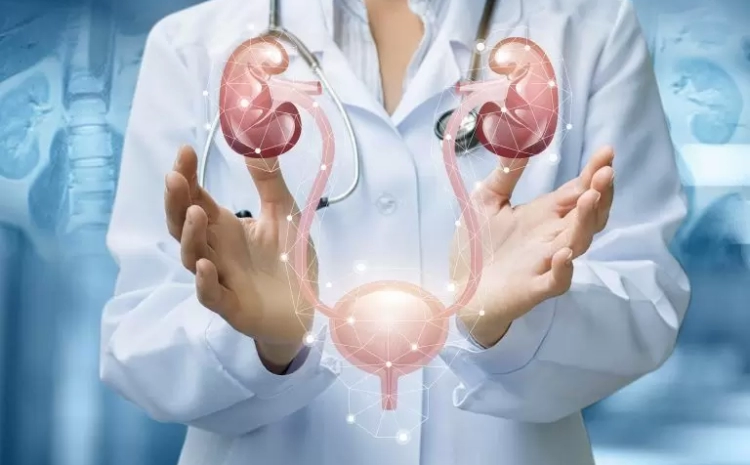
Our bodies alert us to problems. Some symptoms are minor and transient, but others may indicate a serious health condition. Urinary and reproductive health issues can result from neglecting early warning symptoms. Urologists can help. Urologists diagnose and treat male reproductive and urinary system disorders.
How do you know when to see a urologist? This tutorial discusses urologists, the most common symptoms you shouldn’t ignore, and why early consultation can preserve your long-term health.
Understanding Urologists’ Roles
Urologists treat kidney, ureter, bladder, and urethra diseases. Urologists examine men’s prostates, testes, and penis. They are essential for many ailments since they specialize in surgery and non-surgical therapies.
Urologists train in urological surgery and treatments, unlike general physicians. Their treatments range from kidney stones and bladder infections to prostate cancer and male infertility.
Knowing when to get care can greatly impact your situation.
Frequent or painful urination
Urinary alterations are a leading cause of urologist visits. Urinating more often, especially at night, may be an indication of a problem. Urinating discomfort or burning may suggest a UTI or bladder issue.
While occasional frequency may be due to ingesting too much water, caffeine, or alcohol, persistent variations should be considered. Overactive bladder, interstitial cystitis, and enlarged prostates in men can cause it.
Urologists diagnose and propose therapy, which may include medication, lifestyle modifications, or minor surgeries.
Bloody Urine
Blood in pee, even once, is a red indicator. Hematuria can be caused by urinary tract infections, kidney stones, or bladder or kidney cancer.
A normal urine test may reveal blood that is not apparent to the human eye. Hematuria—visible or microscopic—should never be overlooked. Urologists may conduct imaging or cystoscopy to rule out life-threatening reasons.
Early diagnosis is critical since cancer treatment success rates improve with earlier detection.
Chronic Low Back/Flank Pain
Kidney pain usually feels intense in the lower back or sides, just below the ribcage. While back pain can be caused by muscle strain, kidney discomfort can come in waves, be strong, and radiate to the groin.
This pain may signify kidney stones, kidney infection, or other serious urinary issues. Kidney stones can impede urine flow and cause serious infections if untreated.
A urologist can diagnose the cause using ultrasound or CT scans and recommend medication or minimally invasive surgery.
Persistent ED
Erectile dysfunction (ED) should be treated by a urologist when it becomes consistent. ED may indicate diabetes, heart disease, or hormonal imbalance, not merely a quality-of-life concern.
Urologists assess these causes well. They may evaluate hormones, blood flow, and consult with cardiologists or endocrinologists. Treatments range from oral medicines and injections to shockwave therapy and penile implants.
Don’t wait for the condition to worsen. ED might indicate a greater health condition, thus early intervention helps.
Fertility Issues
See a professional if you and your partner have been trying to conceive for a year. Urologists help diagnose male infertility, which accounts for half of all instances.
Low sperm count, motility, or reproductive system obstructions may occur. Semen analysis, hormone testing, and sophisticated imaging can help urologists diagnose the issue.
Many fertility difficulties can be treated with medicine, surgery, or assisted reproduction. Early treatment improves the odds of conception.
Lack of bladder control
An occasional or frequent urine leak is another cause to see a urologist. It may be uncomfortable, but urine incontinence is more frequent than most people know, especially in postpartum women and prostate-challenged males
Stress, urge, and overflow incontinence exist.
Urologists diagnose and treat incontinence with pelvic floor therapy, medicines, and surgery.
Testicular pain/lumps
Any testicular pain, swelling, or lumps should be addressed carefully by males. It could be a mild infection or testicular cancer early warning symptom.
Early-stage testicular cancer is highly curable. Self-exams are recommended, and any abnormalities should be reported to a urologist.
Other causes of testicular pain include varicoceles, hydroceles, and hernias, which require medical attention.
Trouble starting or maintaining urination
Men over 50 may have trouble urinating or a weak urine stream. BPH, an enlarged prostate, often causes these symptoms.
Although non-cancerous, BPH can greatly disrupt daily living if neglected. It may cause bladder retention, infections, or kidney damage.
Exams and imaging by urologists can determine prostate size and provide drugs or less invasive procedures to ease blockage.
Recurrent UTIs
A primary care doctor can treat a single UTI with medication, but recurring infections are different. Frequent UTIs may indicate bladder stones, anatomical problems, or insufficient bladder emptying.
Since UTIs in males are rare and sometimes linked to more complex conditions, they should see a urologist.
A urologist will find causes and prescribe preventive measures along with treatment to reduce recurrences.
Urological Cancer Family History
If your family has prostate, kidney, or bladder cancer, you may be at risk. Even before symptoms develop, urological screening is necessary.
Men with a family history of prostate cancer and kidney cancer may benefit from early screening and imaging. Preventive screening is always better than late-onset symptoms.
When to See a Child Urologist
Not only adults need urology. Bedwetting, undescended testicles, and congenital urinary tract anomalies may need pediatric urology. Early intervention prevents long-term issues and promotes growth.
If their child has frequent urination, groin swelling, or pain, they should see a doctor. Pediatric urologists specialize on safe and effective diagnosis and treatment.
Why Early Consultation Matters
Many people avoid seeing a urologist out of shame or hope symptoms will go away. Postponing medical care typically worsens symptoms.
Early consultation can distinguish simple treatment from extensive surgery. A little kidney stone may clear with medication and fluids, but a large, untreated stone may need surgery. Early prostate cancer is easier to treat than advanced cancer.
Urologists relieve pain and prevent long-term problems.
One last thought
Your urinary and reproductive health is crucial to your health. Frequent urination, blood in pee, testicular tumors, erectile dysfunction, and back pain should never be disregarded. These symptoms are your body’s warnings.
A timely urologist visit might prevent small health issues from becoming big ones. It gives you piece of mind that you’re taking health precautions.
If you’re suffering any of these symptoms, act now. Book an appointment with a certified urologist to take charge of your health.