
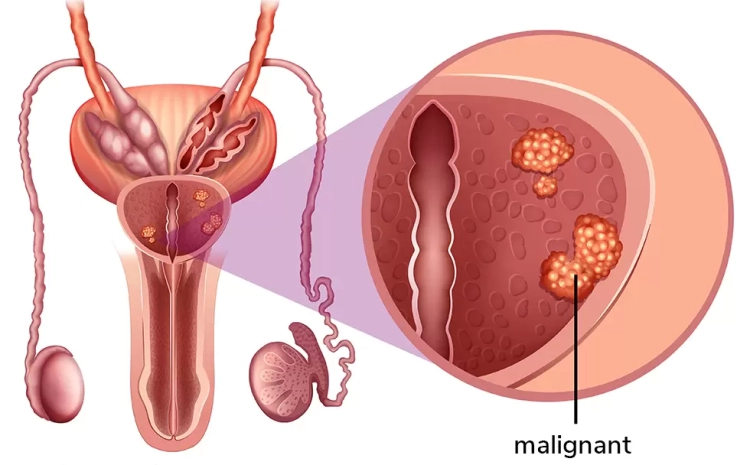
One of the most frequent male cancers is prostate cancer. Many men are unaware of its early warning signals until the condition is severe, despite its frequency. The walnut-sized prostate gland below the bladder produces seminal fluid, which is essential to male reproductive health. Like other cancers, prostate cancer originates when gland cells grow uncontrolled, generating tumors that may spread if untreated. Understanding early indications and risk factors is important because early prostate cancer detection improves treatment outcomes and survival.
The Value of Awareness
Detecting prostate cancer early might make it treatable or fatal. Early prostate cancer typically goes unnoticed. This is why many men only discover the problem during periodic exams or screenings. Reducing risks requires raising awareness of what to look for and when to seek medical treatment. Men who recognize early indicators and risk factors can take action sooner, improving their chances of recovery and long-term health.
Understanding Prostate Gland
Understanding the prostate gland helps explain prostate cancer. Urine exits through the urethra, which is surrounded by the prostate. Primary role is to create seminal fluid, which feeds and protects sperm. Urination and sexual health are directly affected by prostate problems due to its location. Changes in urine patterns, sexual performance, and pelvic discomfort are common symptoms of this gland cancer.
Risks Every Man Should Know
Some men are more likely to get prostate cancer. Several variables raise risk. Age is a major risk factor, with most cases in men over 50. Men with close relatives who had prostate cancer are at higher risk. African-American males are more likely to acquire prostate cancer at younger ages, according to studies. A diet high in red meat and poor in fruits and vegetables, obesity, and lack of exercise may also increase risk. Men can better assess their health and seek medical help by understanding these aspects.
Early Prostate Cancer Signs
Prostate cancer is generally silent, but there are early warning signs you shouldn’t overlook. The most prevalent symptom is urination problems. Men may have a weak pee stream, strain to initiate or stop urination, or feel their bladder is not empty. Urinating more often, especially at night, is another indicator. Urination pain or burning may overlap with infections.
Another sign is blood in the urine or semen, which requires medical attention. Men may have erectile dysfunction or painful ejaculation without a cause. In some circumstances, pelvic, hip, or lower back pain may suggest cancer metastasis. These symptoms may resemble urinary tract infections or benign prostatic hyperplasia, but they should be evaluated immediately.
Prostate Screening Function
Early prostate cancer identification requires medical screening because symptoms are not always present. PSA blood tests and digital rectal exams are the most popular screening procedures. The PSA test measures prostatic protein, which rises in prostate cancer patients. Results should be interpreted carefully because increased PSA levels might be caused by non-cancerous diseases. The DRE lets doctors physically evaluate the prostate for tumors and abnormalities.
Many specialists recommend men discuss prostate screening with their doctors at 50, or earlier if they are at higher risk. Though controversial owing to overdiagnosis, screening is a crucial technique for early cancer detection.
Why Early Detection Matters
Early detection and screening are crucial. Early detection of prostate cancer before it spreads improves treatment outcomes. Many men survive localized prostate cancer and enjoy long, healthy lives. Once cancer spreads to bones or other organs, therapy gets harder and survival rates drop.
Men can manage their health by listening to their bodies and noticing tiny changes. Instead of assuming regular nighttime urination is a symptom of aging, a man should see a doctor. Early detection increases survival and reduces treatment aggression, improving quality of life.
Emotional Effects of Prostate Cancer
Emotional and psychological effects accompany prostate cancer diagnosis. This condition generally causes fear, anxiety, and uncertainty. If therapies compromise fertility or erectile function, men may also suffer with masculinity and sexual health. These issues emphasize the significance of open communication with doctors and loved ones. Support groups, counseling, and education can help men and their families persevere.
Prostate Cancer Treatment Options
Prostate cancer treatment depends on stage, aggressiveness, and patient condition. For slow-growing tumors, doctors may recommend active surveillance without therapy. This method prevents adverse effects in slow-growing tumors.
Other treatments include surgery, radiation, hormone therapy, chemotherapy, and sophisticated immunotherapies. Each treatment has pros and cons. Surgery can eliminate cancer yet cause incontinence or erectile dysfunction. Early diagnosis helps patients explore all possibilities because the correct choice depends on their situation.
Lifestyle Choices to Lower Risk
While age and genetics cannot be changed, men can lower their prostate cancer risk with lifestyle changes. Fruit, vegetable, and whole grain diets enhance prostate health. Regular exercise lowers cancer risk by maintaining a healthy weight. Red meat reduction, smoking cessation, and alcohol moderation improve health. These habits lower prostate cancer risk and boost health.
When to See Doctor
Men should never wait until symptoms worsen to see a doctor. Unusual urinary habits, pelvic pain, or blood in urine or semen require medical attention. Men with a significant prostate cancer family history may also consider earlier and more frequent exams. Even if symptoms are caused by a non-cancerous illness, early diagnosis and treatment are best.
Regular checkups’ role
No symptoms? Discuss prostate health with a doctor at annual checks. Men are embarrassed to discuss urinary or reproductive health, but ignoring these symptoms can delay diagnosis. Men can prevent life-threatening issues by talking to their doctors often.
Live Beyond Prostate Cancer
Many prostate cancer patients live after treatment. Modern medicine has increased survival rates. Living beyond cancer entails monitoring for recurrence, managing side effects, and adopting better habits. Family, medical experts, and community organizations can assist survivors flourish and maintain quality of life.
Conclusion
Men’s biggest health issue, prostate cancer, doesn’t have to be silent. Men can defend themselves by recognizing early warning symptoms, personal risk factors, and regular testing. Early detection maximizes treatment success, survivability, and quality of life. Every symptom should be addressed, and men should feel comfortable discussing prostate health with their doctors. Prostate cancer prevention relies mainly on awareness, education, and proactive care.