
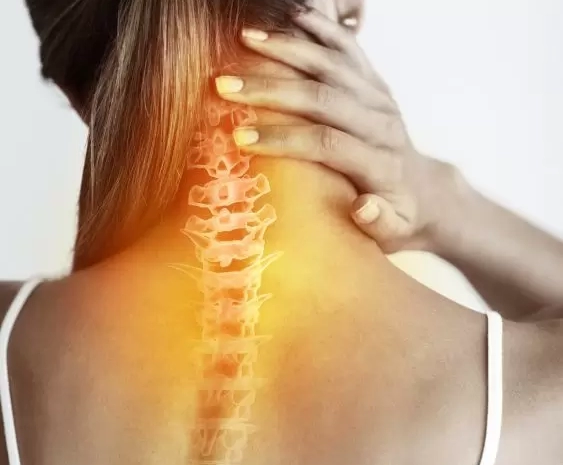
Neck pain is a common ailment in modern living. Most people get neck stiffness or soreness. It usually goes away with rest, massage, or warm compresses. When the pain lasts weeks, is intense, or spreads down the shoulder or arm, it may indicate a nerve issue. Preventing long-term issues and spinal health requires understanding neck nerve compression.
Understanding Neck Nerves and Anatomy
The complicated cervical spine, or neck, connects the head to the body. It has seven cervical vertebrae with discs to absorb shock and move smoothly. These bones house the spinal cord, one of the body’s key communication pathways.
Nerves exit the spinal cord through vertebral holes. Cervical nerves control shoulder, arm, and hand movement and sensation. Irritated, compressed, or inflamed nerves can cause neck and upper body pain. This is cervical radiculopathy, or “pinched nerve.”
The cervical spine is flexible but susceptible to injury and wear. Simple modifications like bad posture or repetitive motion might strain nerve-protecting systems.
When Neck Pain Goes Beyond Muscle Strain
Rest and mild stretching relieve muscle-related neck pain, which feels stiff or dull. But nerve-related pain behaves differently. It can feel stinging, scorching, or electric-shock-like beyond the neck.
People with nerve compression commonly experience shooting agony down one arm and finger numbness, tingling, or weakness. Nerve pain can prevent writing, lifting, and head turns, unlike muscle strain.
The pain may come and go, worsening at night or after sitting. Neck postures that impinge on the compressed nerve root aggravate inflammation.
Common Nerve-Related Neck Pain Causes
Several spinal disorders can irritate or crush cervical nerves. Some popular ones are:
The discs between vertebrae cushion herniated discs. A split in the outer layer can allow the soft interior substance to press against surrounding nerves, producing arm pain.
Overgrowths called bone spurs can form on spine bones as we age. These can limit nerve exits, causing discomfort or compression.
Degenerative Disc Disease: Age-related disc decay reduces height and flexibility. The vertebrae may migrate closer, putting strain on nerve roots.
Spinal Stenosis: The spinal canal narrows, compressing the cord and nerves. It often causes chronic neck and arm pain in older persons.
Whiplash: Sudden neck movements or trauma, such as in a vehicle accident, can damage soft tissues and compress nerves.
These disorders impact the spinal nerves differently, yet they all cause chronic pain.
Poor Posture Contributes to Issue
Poor posture is a major cause of neck pain today. Staring at phones, tablets, or laptops for hours causes a forward head posture. This “text neck” posture strains cervical spine muscles and presses vertebrae together.
Misalignment can cause disc bulge and nerve compression. Office professionals, students, and long-term digital gadget users often experience the issue. Regular breaks and an upright posture with the screen at eye level can lessen risk.
Good posture preserves the neck and eliminates pressure on spine nerves.
Nerve Problem Warning Signs
Nerve-related neck pain starts mild but worsens. Symptoms of nerve involvement rather than muscle tension include:
Sharp, shooting neck-to-shoulders-arm ache
Finger or hand tingling or “pins and needles”
Weakness lifting or gripping objects
Neck pain that worsens with movement or tilt
Clumsy hand gestures
Professional assessment is needed if these symptoms last longer than a few days. Early diagnosis can avoid chronic nerve injury.
Nerve-Radiating Pain Connection
Cervical nerve networks relate to several upper body locations. The thumb and forearm can hurt from C6 nerve root compression, while the middle finger and triceps can hurt from C7 involvement. These connections can cause neck pain to appear to originate elsewhere, called referred pain.
This is why neck problems are commonly misdiagnosed as shoulder or elbow. The source of discomfort can only be determined by a thorough neurological exam.
Diagnostics to Determine Cause
Doctors establish nerve involvement with physical and imaging tests.
The doctor checks nerve function by testing muscle strength, reflexes, and sensory responses. X-rays, MRIs, and CT scans show vertebral alignment, disc health, and nerve constriction.
Some patients undergo nerve conduction studies (NCS) or electromyography (EMG). These tests assess muscle and nerve route electrical activity to determine nerve injury and severity.
Neuro-Related Neck Pain Treatments
The cause and severity of compression determine the treatment. Conservative, non-surgical techniques to reduce inflammation and restore mobility are used in most situations.
Rest and Physical Therapy: Neck strains slow nerve healing. Physical therapy strengthens muscles, improves posture, and relieves pressure.
Medication: Anti-inflammatory, pain, and muscle relaxants can assist. Doctors may administer nerve-targeted medicines for severe nerve discomfort.
Steroid injections: Corticosteroid injections reduce nerve root swelling and relieve prolonged pain.
Lifestyle changes: Adjusting workstations, adopting ergonomic seats, and taking short breaks during long sitting can prevent recurrence.
If these measures don’t work or the nerve compression is severe, surgery may be considered.
Modern surgical techniques and solutions
Neurosurgical advances have made cervical spine surgeries safer and more precise. Surgery relieves nerve compression and stabilizes the spine.
A discectomy removes part of the herniated disc pushing on the nerve, and a laminotomy widens the spinal canal by shaving bone. To maintain stability and flexibility, spinal fusion or artificial disc replacement may be performed.
Modern minimally invasive spine surgery (MISS) reduces blood loss, infection risk, and recovery time with tiny incisions and specialized instruments. Patients can usually resume normal activity within weeks.
Rehabilitation in Recovery
Recovery continues after surgery or pain relief. Physical rehabilitation helps restore mobility and avoid recurrence. Physiotherapist-designed exercises improve neck, upper back, and shoulders.
Gentle range-of-motion exercises increase flexibility, while posture correction maintains cervical spine alignment. Regular rehabilitation develops muscle endurance, enabling the neck support daily activities without nerve overload.
Lifestyle Tips for a Healthy Neck
Small everyday practices can prevent and treat nerve-related neck pain. Maintaining a neutral neck position while working, stretching, and resting on a supportive pillow help correct the spine.
Spinal discs cushion with water, therefore hydration is crucial. An adequate calcium, magnesium, and vitamin D diet supports bone and nerve function.
Swimming, yoga, and brisk walking improve posture and flexibility. Meditation and deep breathing minimize muscle tension and nerve compression-causing spasms.
When to Get Medical Help
Leaving neck pain untreated can cause major problems. Consult a neurologist or spinal specialist promptly if you have discomfort lasting longer than two weeks, arm numbness, or hand weakness.
Delaying diagnosis can cause irreparable nerve compression. Early therapy improves healing and prevents chronic pain syndromes that lower quality of life.
Painless Living: The Future
Medical treatment, lifestyle changes, and patience are needed to treat nerve-related neck pain. The body heals beautifully with assistance. Most people improve strength and mobility by correcting posture, exercising, and keeping active.
Even after recuperation, watch how you sit, work, and move. Regular physiotherapy or orthopedic specialist visits can detect early indicators before they become severe difficulties.
Besides being pain-free, a healthy neck supports all upper body movements. Balance is key for long-term comfort and productivity.
Conclusion
Your body signals underlying issues with persistent neck pain. Muscle strain is frequent, but nerve compression commonly causes prolonged pain, tingling, or weakening.
Prevention and recovery require cervical spine anatomical knowledge, early symptom recognition, and good posture. Nerve-related neck pain can be treated with contemporary diagnostics and treatments.
A healthy neck supports the neurological system, ensuring that every action, sensation, and reflex is in perfect harmony. Taking care of your spine today is the easiest approach to avoid pain and stay active.