
Our eyes are amazing, allowing us to see in depth. However, many quiet conditions can affect them. Many eye disorders have no early signs, so people may not know they have a problem until it’s too late. Thus, eye specialists are essential for discovering concealed eye diseases. Early diagnosis prevents vision loss and improves eye health.
Ophthalmologists diagnose, monitor, and treat common and complex eye illnesses. Their experience allows them to spot tiny symptoms that patients may miss. Ophthalmologists uncover hidden eye diseases before they worsen using new technology, specialized exams, and professional experience.
Recognizing Hidden Eye Conditions
Hidden eye problems may not show signs. Glaucoma, diabetic retinopathy, retinal degeneration, and early cataracts are prevalent. These disorders can subtly weaken vision and cause irreparable damage if neglected.
The “silent thief of sight,” glaucoma, destroys the visual nerve due to high intraocular pressure. Early phases rarely alter vision. When high blood sugar levels damage the retina’s small blood vessels, diabetic retinopathy develops without symptoms until later. Eye specialists must detect problems early to avoid major repercussions.
Comprehensive Eye Exams Matter
A thorough eye exam is essential for finding hidden eye diseases. Eye experts analyze eye health using patient history, visual evaluation, and modern diagnostic technologies. A thorough eye exam examines eye structure and function, unlike glasses testing.
The specialist may check visual acuity, retina, optic nerve, intraocular pressure, eye movement, and peripheral vision during an eye exam. This rigorous method reveals issues that may not yet damage eyesight.
Advanced Hidden Condition Diagnostics
Modern ophthalmology uses modern diagnostics to diagnose eye disorders early. OCT pictures of the retina allow specialists to detect structural changes associated with glaucoma, macular degeneration, and diabetic retinopathy.
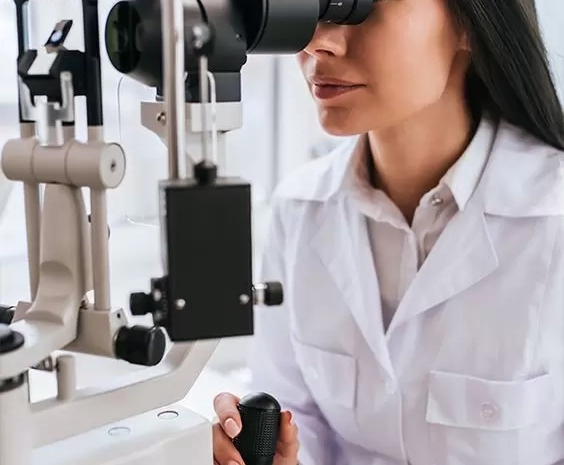
Fundus photography provides high-resolution retinal images for precise tracking of tiny changes. Slit-lamp microscopy helps doctors detect early cataracts and corneal abnormalities by examining the cornea, lens, and anterior chamber. Tonometry detects glaucoma before symptoms emerge by measuring intraocular pressure.
With these instruments and clinical skill, eye experts can accurately diagnose and offer prompt treatments.
Detecting Glaucoma Early
One of the most prevalent concealed eye disorders, glaucoma frequently progresses without symptoms until vision loss occurs. Eye experts assess intraocular pressure, optic nerve, and visual field for glaucoma.
Visual field exams evaluate peripheral vision, which glaucoma generally affects first. A comprehensive optic nerve image from an OCT scan can detect early nerve fiber loss. Early diagnosis allows medication, laser treatments, or surgery to prevent irreversible damage. Regular eye exams detect and treat glaucoma before it impairs vision.
Recognizing Diabetic Retinopathy
Diabetes causes retinal blood vessel damage, called diabetic retinopathy. Routine eye exams are needed because it may not create symptoms early on. Eye doctors examine blood vessels with dilated retinal exams to detect microaneurysms, hemorrhages, and fluid buildup.
Specialized imaging like OCT or fluorescein angiography lets professionals assess retinal health. Diabetes patients need regular monitoring to detect early and prevent eyesight loss and enhance long-term outcomes.
The detection of AMD
Age-related macular degeneration can cause central visual loss in the macula. Early-stage AMD rarely causes symptoms. Retinal exams, OCT imaging, and Amsler grid assessments help eye experts discover small abnormalities.
Early AMD detection allows doctors to propose lifestyle changes, nutritional supplements, and medications to slow progression and maintain central vision. Older persons at risk of macular degeneration need early intervention to retain independence and quality of life.
Finding Cataracts Before Symptoms
Cloudiness in the eye’s natural lens causes cataracts, which distort vision and glare. When the clouding is slight, early cataracts may not cause symptoms. Eye doctors employ slit-lamp exams to detect early lens opacity.
Early cataract detection allows surveillance and appropriate surgery. Modern cataract surgery successfully restores eyesight and preserves quality of life. Regular eye exams prevent patients from waiting until eyesight is seriously impaired to seek treatment.
Pediatric Eye Screening and Hidden Conditions
Not only adults have hidden eye issues. Children with amblyopia, strabismus, and congenital cataracts may have visual development issues. Pediatric ophthalmologists use vision tests and comprehensive exams to discover these abnormalities early.
Child eye disorders must be diagnosed and treated early to prevent long-term vision loss. Parents should schedule eye exams for children at six months, three years, and before school. Early detection improves visual function, learning, and development in children.
Lifestyle and Risk Assessment
When assessing concealed illnesses, eye experts evaluate lifestyle and risk factors. Family history, systemic disorders, job hazards, and screen time can affect eye health. Specialists can offer customized preventative actions and monitoring schedules based on these risk factors.
Patients with a family history of glaucoma may need more regular exams and early treatments. High-screen users may benefit from lifestyle changes to reduce strain and safeguard vision. Understanding personal risk factors helps doctors provide proactive, individualized care.
The Patient Education Role
Detecting and treating hidden eye diseases requires patient education. Eye doctors discuss results, hazards, and treatments. Educational patients are better able to notice symptoms, follow treatment measures, and prevent visual loss.
Nutrition, eye workouts, screen use, protective eyewear, and follow-ups are often advised by specialists. Patients’ participation in care ensures early therapies are successful and lasting, reducing long-term consequences.
Conclusion: Lifelong Early Detection Benefits
Hidden eye disorders can degrade vision without signs until they are severe. Eye experts use thorough exams, modern diagnostic techniques, and risk factor analysis to diagnose these problems early.
When discovered early, glaucoma, diabetic retinopathy, macular degeneration, and early cataracts can be controlled. Children have good vision via screenings, and adults get preventive care and prompt interventions.
Regularly seeing an eye doctor and following their advice can safeguard vision, prevent major issues, and improve quality of life. Early detection protects one of the most precious senses and ensures a lifetime of healthy, clear eyesight.